
Best Things to Do in Kenya: 33 Unforgettable Experiences
Kenya is a destination of extraordinary contrasts, where elephants roam beneath Mount Kilimanjaro, lions patrol the golden plains of the Maasai Mara, ancient coastal towns tell stories of Indian Ocean trade, and the turquoise waters of the coast invite you to slow down.
But the best things to do in Kenya extend far beyond traditional game drives. You can walk among wildlife on designated trails, discover the people and landscapes behind Kenyan coffee, learn how endangered species are protected, explore dramatic Rift Valley scenery, climb mountain trails and experience the country’s distinctive food and cultural traditions.
For travellers seeking something more personal, Kenya also offers private conservancy experiences, specialist wildlife guides, scenic bush breakfasts, sunrise balloon flights and thoughtfully designed safari-and-beach journeys.
Whether you are planning your first African safari, a honeymoon, a family holiday, a photography adventure or a private luxury escape, this guide explores 33 memorable experiences, including where to find them, how to get there from Nairobi and what to consider when planning your visit.
Wildlife and Safari Experiences in Kenya
1. Go on Safari in the Maasai Mara National Reserve
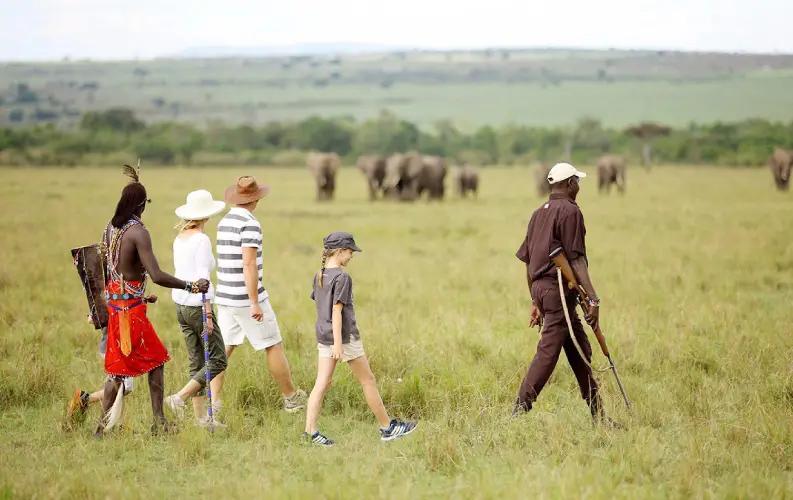
The Maasai Mara is one of Africa’s most celebrated wildlife destinations, renowned for its open grasslands, riverine forests and remarkable concentration of wildlife.
Game drives offer opportunities to encounter lions, elephants, leopards, cheetahs, buffaloes, giraffes, zebras and numerous antelope species. With an experienced driver-guide, the experience becomes more than a search for animals. You learn to interpret tracks, understand predator behaviour and appreciate how different species share the same ecosystem.
For a more exclusive safari, consider a private conservancy bordering the reserve. Depending on the conservancy and accommodation, you may have access to guided walking safaris, night drives and other activities that are not generally permitted within the national reserve.
Location: Narok County, southwestern Kenya.
Getting there from Nairobi: Approximately 250–300 km by road, typically 5–7 hours depending on the camp and route. Scheduled and charter flights to suitable Mara airstrips generally take around 45–60 minutes, subject to routing and operating conditions.
Best for: First-time safari travellers, wildlife photographers, families, couples and private luxury safaris.
Insider tip: Allow at least three nights if wildlife viewing is your main priority. More time gives you greater flexibility to explore different habitats without rushing between sightings.
2. Witness the Great Wildebeest Migration
The Great Wildebeest Migration is one of the world’s most remarkable wildlife spectacles. Millions of wildebeest, accompanied by zebras and gazelles, move through the wider Serengeti–Mara ecosystem in search of grazing and water.
In Kenya, large herds are often present in the Maasai Mara between July and October. However, the migration follows rainfall, grazing conditions and animal movements rather than a fixed calendar.
River crossings can be dramatic, as animals navigate steep banks, strong currents and crocodile-inhabited waters. Yet the crossings are unpredictable, and herds may remain on one side of a river for hours or days.
The experience is about more than a single crossing. Watching herds stretch across the plains, hearing wildebeest calls and observing predators following the movement can be equally memorable.
Location: Maasai Mara National Reserve and surrounding conservancies.
Getting there from Nairobi: Approximately 250–300 km by road, usually 5–7 hours, or around 45–60 minutes by air to a suitable airstrip.
Best for: Wildlife photographers, couples, nature enthusiasts and travellers planning a safari around the migration.
Insider tip: If the migration is the main reason for your visit, consider three to four nights in the Mara. Choose accommodation based on its location and access to suitable wildlife areas, not simply on claims of guaranteed river crossings.
3. Take a Hot-Air Balloon Safari
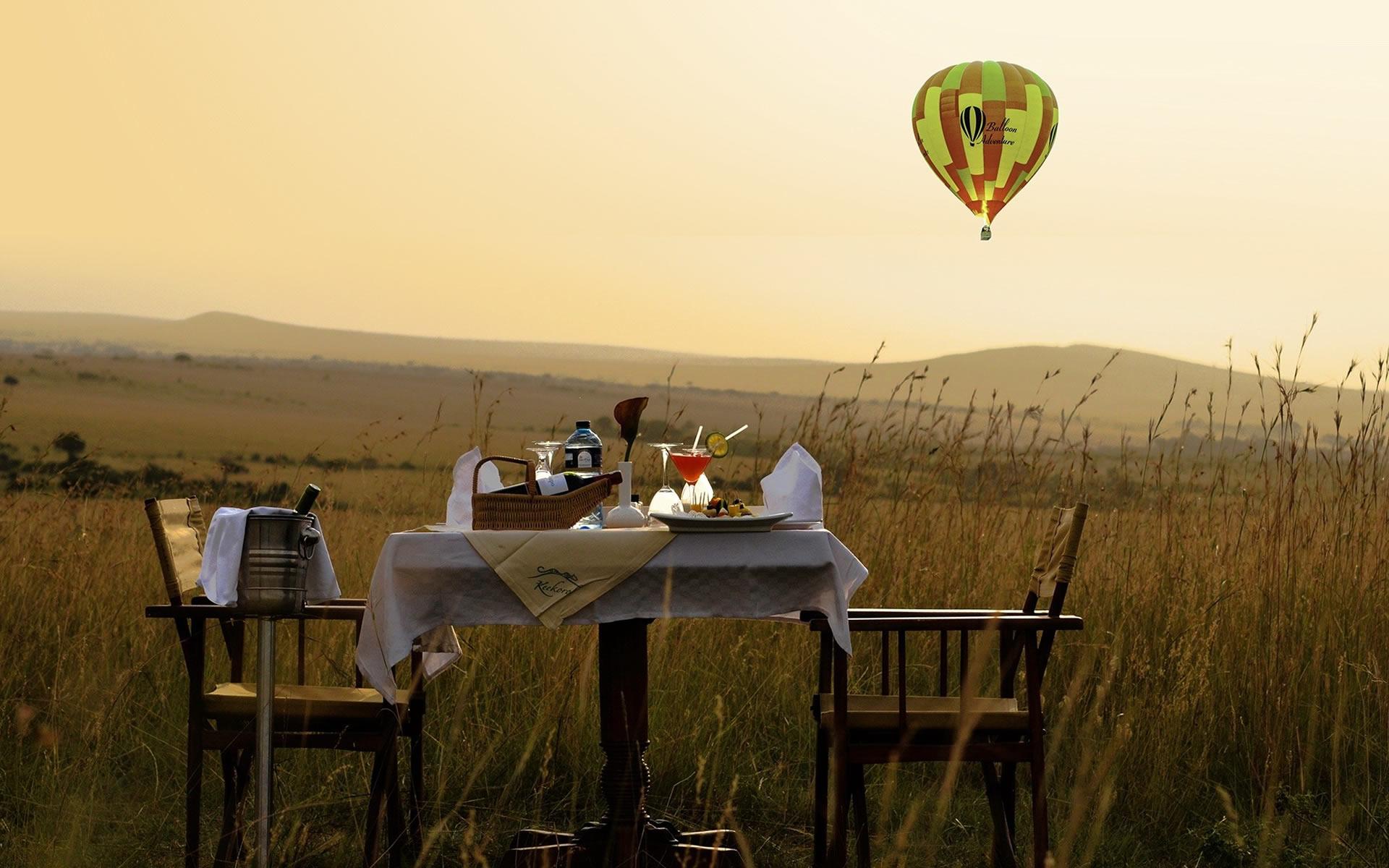
A hot-air balloon safari offers a different perspective on Kenya’s wilderness. As the balloon rises at sunrise, the landscape gradually reveals itself: winding rivers, open plains, scattered trees and wildlife moving through the morning light.
Flights typically begin before dawn and last approximately an hour, depending on weather and operating conditions. After landing, many operators arrange a bush breakfast before guests return to their camps.
Balloon safaris are available in selected safari areas, particularly the Maasai Mara. Availability, departure locations, age restrictions and inclusions vary by operator.
Location: Selected safari areas, especially the Maasai Mara.
Getting there from Nairobi: The Maasai Mara is approximately 250–300 km by road or a 45–60-minute flight to a suitable airstrip. Your camp or balloon operator normally coordinates the early-morning transfer.
Best for: Honeymoons, anniversaries, photographers and travellers celebrating a special occasion.
Insider tip: Check whether transfers, the flight, breakfast and any applicable fees are included in the quoted price.
4. Enjoy a Bush Breakfast in the African Wilderness
A bush breakfast turns an early-morning safari into an occasion of its own. After a game drive, you may find a table prepared in a suitable outdoor setting, with fresh coffee, fruit, pastries and a cooked breakfast.
The setting is part of the appeal. Depending on the location, you might look across open grassland, enjoy views of distant hills or listen to birds calling from nearby trees.
Bush breakfasts are offered by selected camps and lodges, sometimes as part of a private safari arrangement.
Location: Selected camps and lodges in the Maasai Mara, Amboseli and Laikipia.
Getting there from Nairobi: The Maasai Mara is approximately 5–7 hours by road, while Amboseli is roughly 210–230 km away, usually 4.5–5 hours by road.
Best for: Couples, families, private safari travellers and anyone who enjoys combining wildlife viewing with outdoor dining.
Insider tip: Ask your accommodation whether the breakfast is included, weather-dependent or available at an additional cost.
5. Watch an African Sundowner
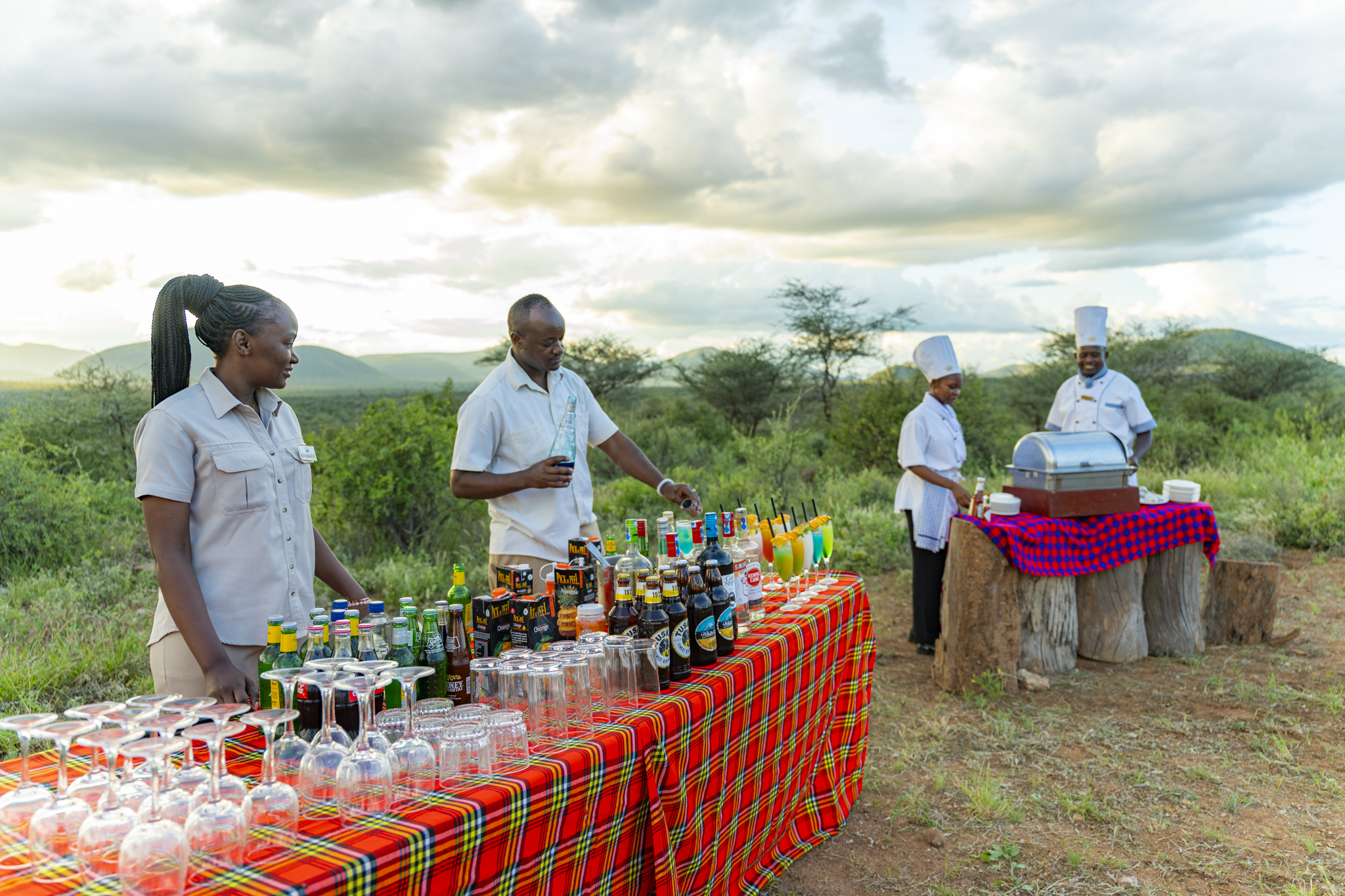
As the afternoon light softens, a sundowner offers time to pause and appreciate the landscape.
Depending on your safari location, your guide may take you to a designated viewpoint, a rocky outcrop or a scenic spot overlooking the plains. You can enjoy a refreshing drink and light snacks while watching the sky change colour.
Sundowners are offered by selected camps and lodges, although the setting and arrangements vary. Wildlife safety, park regulations and local permissions determine where stops can take place.
Location: Selected safari camps and conservancies across Kenya.
Getting there from Nairobi: Depends on the destination. The Maasai Mara typically takes 5–7 hours by road, while Laikipia can take approximately 3.5–6 hours depending on the conservancy.
Best for: Couples, photographers and travellers who appreciate slower, more personal safari experiences.
6. Dine Under the Stars with a Bush Dinner
A bush dinner combines outdoor dining with the atmosphere of the African wilderness. Depending on the lodge, the evening may feature lanterns, a campfire, a carefully prepared menu and a table set beneath the open sky.
Some experiences are intimate dinners for two, while others are arranged for families or small groups.
These dinners should take place only in suitable, authorised locations with appropriate supervision. Wildlife remains unpredictable, so the lodge team should determine where and when it is safe to dine outdoors.
Location: Selected lodges and camps in the Maasai Mara, Amboseli and Laikipia.
Getting there from Nairobi: The Maasai Mara takes approximately 5–7 hours by road; Amboseli generally takes 4.5–5 hours.
Best for: Honeymoons, anniversaries, private celebrations and travellers seeking a memorable evening in the wilderness.
7. Search for the Big Five
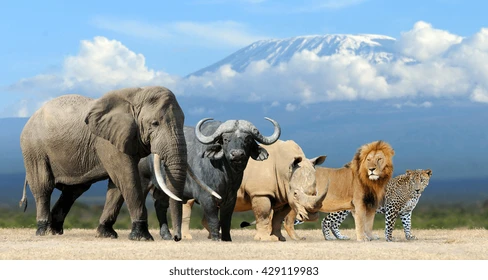
The Big Five—lion, leopard, elephant, buffalo and rhinoceros—remain among the most sought-after animals on an African safari.
The term originated in the context of big-game hunting and is now widely used in wildlife tourism and conservation. Finding all five is possible in Kenya, but sightings depend on the destination, season, animal movements and time spent in the field.
The Maasai Mara is particularly well known for lions, leopards, elephants and buffaloes. Ol Pejeta Conservancy and Lake Nakuru National Park are important destinations for rhino conservation and viewing.
A knowledgeable guide can help you understand the behaviour and habitats of different species while keeping appropriate distances.
Location: Maasai Mara, Ol Pejeta Conservancy, Lake Nakuru National Park and other suitable wildlife areas.
Getting there from Nairobi: The Maasai Mara is approximately 250–300 km away, Ol Pejeta around 220 km, and Lake Nakuru National Park approximately 156 km by road.
Best for: First-time safari visitors, families and wildlife photographers.
Insider tip: Rather than trying to tick off every animal in one day, allow sufficient time in the field and enjoy the wider variety of wildlife along the way.
8. Look for the Rare Black Leopard in Laikipia
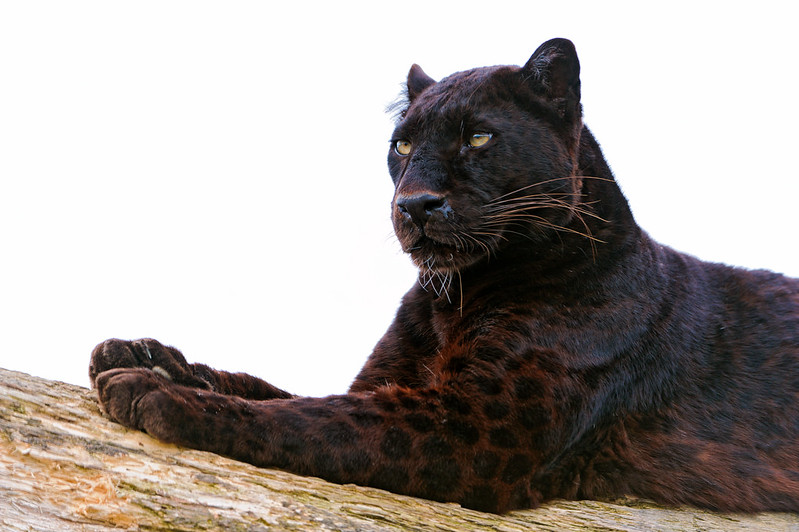
Laikipia offers a different safari atmosphere from the southern savannahs, with private conservancies, varied landscapes and conservation programmes.
The region has attracted international attention for sightings of black leopards. Their dark coats result from melanism, a genetic condition that increases dark pigmentation. These animals are exceptionally uncommon, and sightings are never guaranteed.
Laikipia is also home to elephants, lions, wild dogs, reticulated giraffes and numerous other species. Its conservation landscapes offer opportunities to explore wildlife behaviour, habitat protection and coexistence between people and animals.
Location: Laikipia County, central Kenya.
Getting there from Nairobi: Approximately 200–300 km by road, often 3.5–6 hours depending on the conservancy. Flights to Nanyuki or suitable private airstrips may be available.
Best for: Repeat safari travellers, wildlife photographers and visitors interested in conservation-focused experiences.
Insider tip: Choose a conservancy for its overall wildlife, guiding and accommodation rather than planning an entire trip around the possibility of seeing one rare animal.
9. Visit Reteti Elephant Sanctuary
Reteti Elephant Sanctuary is a community-owned conservation initiative in Namunyak Community Conservancy in northern Kenya. It rescues and rehabilitates orphaned and abandoned elephant calves, with the long-term goal of returning suitable animals to the wild.
The sanctuary’s visitor centre explains the work of Samburu keepers, researchers and conservation teams. Visitors can learn about elephant rehabilitation, tracking, habitat protection and the relationship between local communities and wildlife.
Visits must be booked in advance, and access follows designated feeding sessions and visitor arrangements. The sanctuary asks visitors to minimise direct human interaction with the elephants; touching them is not permitted.
Location: Namunyak Community Conservancy, Samburu County, northern Kenya.
Getting there from Nairobi: The sanctuary’s official visitor information gives an approximate eight-hour drive from Nairobi. A four-wheel-drive vehicle is recommended for the final approach. Flights to a nearby airstrip may be possible, followed by a road transfer.
Best for: Conservation-minded travellers, families and visitors exploring northern Kenya.
Insider tip: Book directly through the official Reteti visitor information and reservations page. Advance reservations are required, and availability should be confirmed before you finalise your itinerary.
10. Learn About Rhino Conservation at Ol Pejeta Conservancy
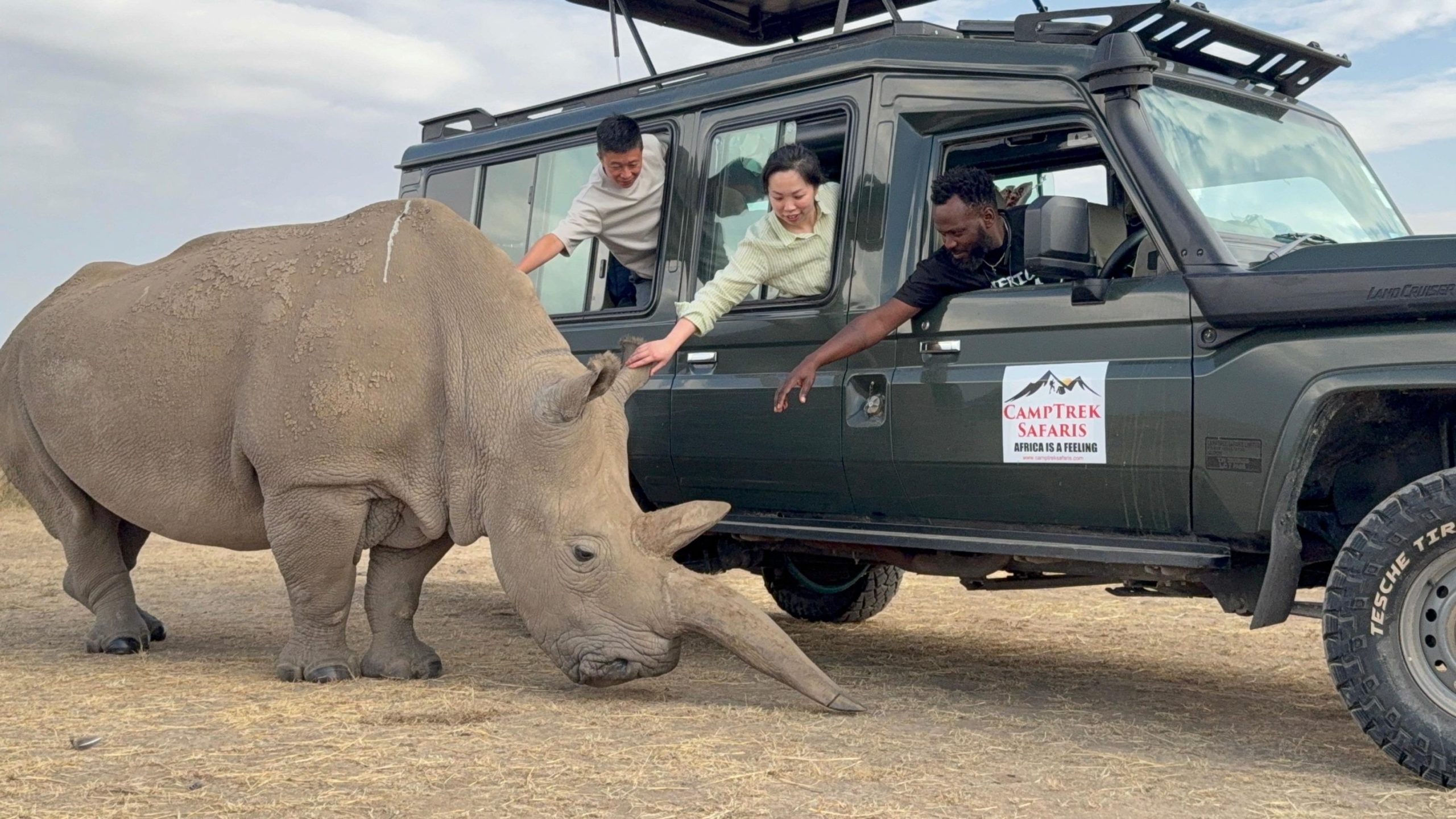
Ol Pejeta Conservancy combines wildlife viewing with important conservation work in central Kenya.
The conservancy protects endangered species and supports programmes focused on habitat management, anti-poaching, wildlife research and community development. It is internationally known for caring for Najin and Fatu, the world’s last two northern white rhinos.
Their story highlights the devastating effects of poaching and habitat loss, as well as the scientific and conservation efforts involved in preventing further extinctions.
Visitors can enjoy game drives and learn about the conservancy’s wider work. Special experiences involving particular animals or conservation facilities are subject to availability, permissions and booking requirements.
Location: Laikipia County, near Nanyuki.
Getting there from Nairobi: Approximately 220 km, usually around four hours by road. Flights to Nanyuki Airstrip may be available, followed by a transfer.
Best for: Wildlife enthusiasts, families, photographers and travellers interested in endangered species.
Official visitor information: Plan your visit to Ol Pejeta Conservancy.
11. Visit the Sheldrick Wildlife Trust Elephant Nursery
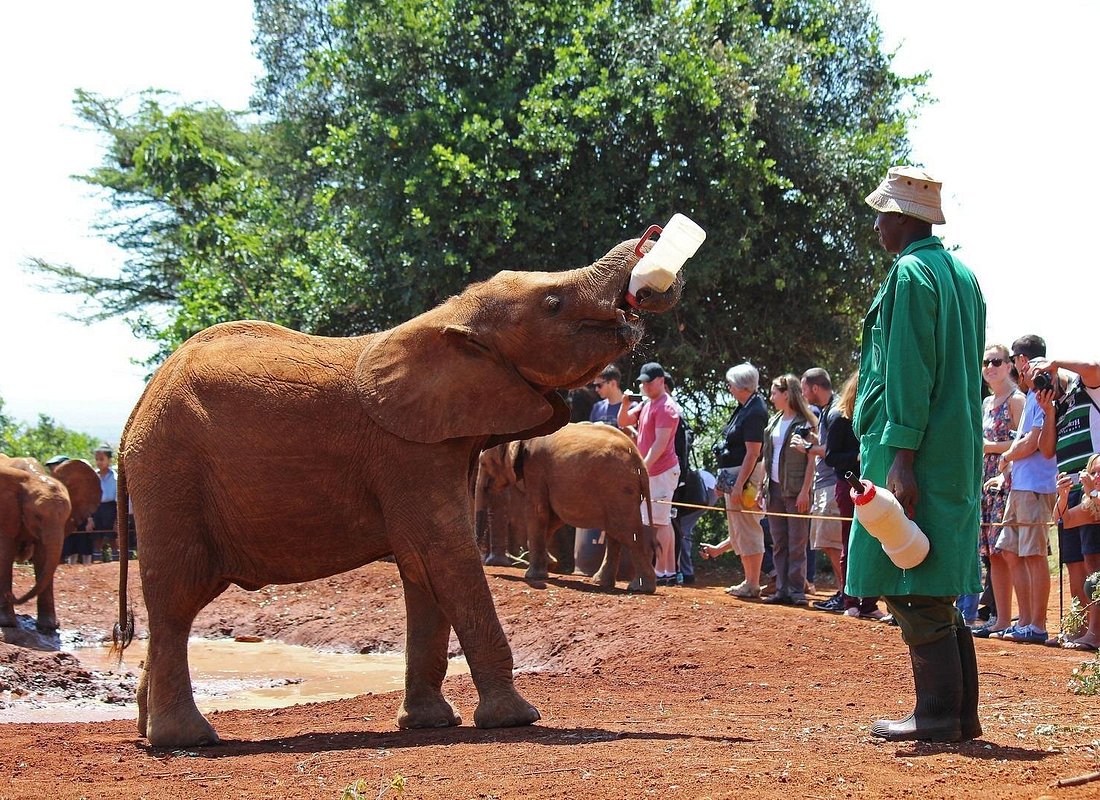
The Sheldrick Wildlife Trust is recognised for rescuing and rehabilitating orphaned elephants and other wildlife. Its Nairobi nursery provides insight into the challenges young elephants face and the work involved in preparing them for life in the wild.
Visitors can learn about the rescue process, the role of dedicated keepers and the long-term commitment required to rehabilitate orphaned animals.
Public access follows specific booking arrangements and visitor sessions. Confirm current admission requirements and available times directly with the Trust before including the nursery in your plans.
Location: Nairobi National Park area, Nairobi.
Getting there from Nairobi: Approximately 8–15 km from central Nairobi, often 30–60 minutes by road depending on traffic.
Best for: Families, conservation enthusiasts and travellers spending a day in Nairobi before or after a safari.
Insider tip: Reserve through the official Sheldrick Wildlife Trust website and check the current visitor guidance rather than assuming walk-in access is available.
12. Visit the Giraffe Centre
The Giraffe Centre in Lang’ata offers an opportunity to learn about the endangered Rothschild’s giraffe and the conservation efforts supporting its survival.
Visitors can observe giraffes at close range and, where permitted, feed them under staff supervision. Educational displays and conservation information make this more than a simple wildlife photo stop.
The centre is especially convenient for travellers who want to explore Nairobi’s wildlife and cultural attractions without committing to a full-day safari.
Location: Lang’ata, Nairobi.
Getting there from Nairobi: Approximately 10–15 km from the city centre, often 30–60 minutes by road depending on traffic.
Best for: Families, couples, short-stay visitors and conservation enthusiasts.
Insider tip: Combine the visit with the Karen Blixen Museum or other nearby attractions, allowing enough time for Nairobi traffic.
13. Experience a Night Game Drive
Kenya’s wilderness changes after sunset. Nocturnal species become more active, and the sounds of the bush can be very different from those heard during the day.
On an authorised night drive, a trained guide may help you spot genets, civets, bush babies, hares and other nocturnal animals. Predators may also be encountered, although sightings are unpredictable.
Night drives are generally associated with selected private conservancies and lodge-managed areas. They are not generally permitted inside Kenya’s national parks and reserves, so always verify the rules governing the specific property.
Location: Selected private conservancies in Laikipia and the wider Maasai Mara ecosystem.
Getting there from Nairobi: Laikipia can take approximately 3.5–6 hours by road; the Maasai Mara typically takes 5–7 hours.
Best for: Repeat safari visitors, wildlife enthusiasts and photographers interested in nocturnal behaviour.
14. Go on Safari in Nairobi National Park
Nairobi National Park offers one of Kenya’s most unusual wildlife settings: open grasslands and wildlife habitats with the city’s skyline visible in the distance.
The park supports lions, black and white rhinos, giraffes, buffaloes, zebras and a wide variety of birdlife. It is particularly useful for travellers who have limited time in Nairobi or want a wildlife experience before an international flight.
Although the park is close to the city, wildlife viewing still requires patience. Animal movements, weather and the amount of time spent exploring influence what you see.
Location: Southern Nairobi, along Lang’ata Road.
Getting there from Nairobi: The main access area is approximately 8 km from the central business district, although the journey may take 30–60 minutes or longer in traffic.
Best for: Short stays, stopovers, families and travellers who cannot fit a longer safari into their schedule.
Official information: Nairobi National Park — Kenya Wildlife Service.
15. Discover Samburu’s Distinctive Wildlife
Samburu offers a strikingly different safari landscape, characterised by semi-arid terrain, rocky hills, acacia vegetation and the Ewaso Ng’iro River.
Wildlife enthusiasts often look for the Samburu Special Five: Grevy’s zebra, reticulated giraffe, Somali ostrich, gerenuk and beisa oryx. These species are adapted to the region’s drier conditions and make Samburu especially appealing to photographers and repeat safari travellers.
Elephants and predators also inhabit the area, while riverine habitats attract birds and other wildlife.
Location: Samburu County, northern Kenya.
Getting there from Nairobi: Approximately 300–350 km by road, usually 6–7 hours depending on the camp and route. Flights to regional airstrips may be available.
Best for: Wildlife photographers, repeat visitors and travellers seeking a less conventional safari experience.
Insider tip: Consider spending two or three nights in the region rather than treating Samburu as a quick stop between distant destinations.
Culture, History and Local Experiences
16. Discover Kenyan Coffee Culture at a Coffee Farm
Kenyan coffee is internationally recognised for its distinctive flavours, and a farm visit offers a closer look at how the beans are cultivated, harvested, processed and prepared.
Depending on the estate, a guided visit may include a walk through the plantation, an explanation of coffee processing, roasting demonstrations and tasting sessions.
Two farms to investigate are:
- Fairview Coffee Estate — Explore its coffee-growing heritage and check current arrangements for guided tours and tastings.
- Karunguru Coffee Estate — Investigate its farm-to-cup experiences, including cultivation and coffee tasting.
Confirm operating days, tour availability and booking requirements directly with the estate.
Location: Kiambu County, near Nairobi.
Getting there from Nairobi: Fairview is approximately 14 km from Nairobi, while Karunguru is around 25 km away. Allow roughly 30–90 minutes by road depending on traffic and the exact starting point.
Best for: Coffee lovers, couples, food enthusiasts and travellers seeking a half-day excursion.
17. Visit the Karen Blixen Museum
The Karen Blixen Museum explores the life and legacy of the Danish author associated with Out of Africa. The former farmhouse and surrounding grounds provide historical context for the colonial-era coffee-farming story that shaped part of the region’s history.
A visit can help travellers understand aspects of Kenya’s past while offering a change of pace from wildlife viewing.
The museum is also conveniently located for combining several attractions in the Karen and Lang’ata areas.
Location: Karen, Nairobi.
Getting there from Nairobi: Approximately 15–20 km from the city centre, usually 30–60 minutes by road depending on traffic.
Best for: History enthusiasts, literature lovers and travellers exploring Nairobi.
18. Explore the Nairobi National Museum
The Nairobi National Museum introduces visitors to Kenya’s natural history, cultural heritage, art and archaeological discoveries.
Its collections provide context for the country’s landscapes, wildlife, communities and historical development. For visitors preparing to travel around Kenya, the museum can make later encounters with different regions more meaningful.
Allow additional time if you want to explore the museum and its surrounding attractions rather than making a brief stop.
Location: Museum Hill, Nairobi.
Getting there from Nairobi: Approximately 3–5 km from the central business district, often 10–30 minutes by road depending on traffic.
Best for: Families, culture enthusiasts, students and travellers with a spare morning or afternoon.
19. Experience Kenyan Culture Through a Community Visit
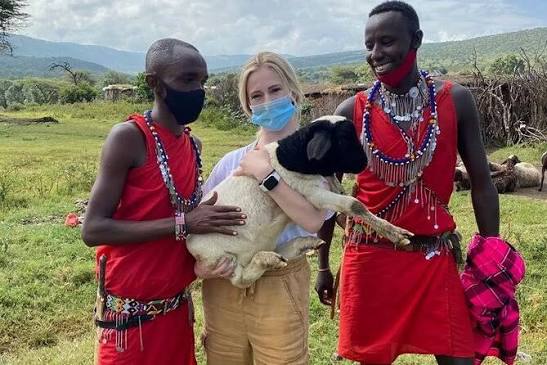
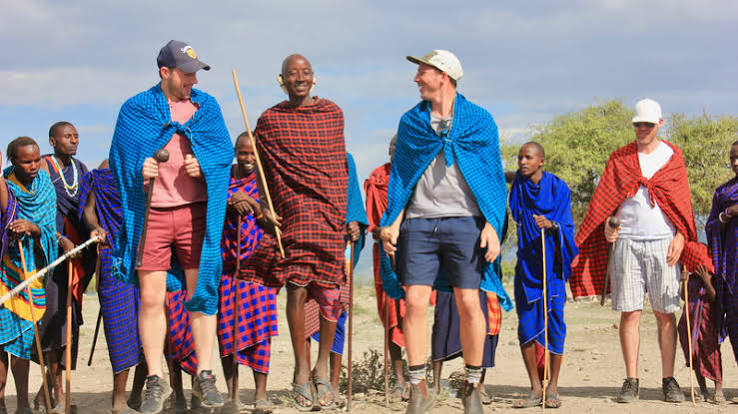
A well-organised community visit can introduce you to local traditions, crafts, music, food and everyday life. Experiences vary by region and may include guided village walks, artisan demonstrations, storytelling or discussions about conservation and livelihoods.
Kenya’s cultural diversity means there is no single community experience that represents the entire country. The most rewarding visits are arranged respectfully with local hosts and allow time for genuine exchange rather than rushed performances.
Choose an operator that explains how the visit benefits participating communities. Ask permission before photographing people, homes or ceremonies, and follow local guidance on appropriate dress and behaviour.
Location: Experiences may be arranged around the Maasai Mara, Samburu, Laikipia and other regions.
Getting there from Nairobi: Depends on the community and itinerary. The Maasai Mara is approximately 250–300 km away by road, while Samburu is around 300–350 km away.
Best for: Cultural travellers, families and visitors interested in community-led tourism.
20. Explore Mombasa Old Town and Fort Jesus
Mombasa offers a rich blend of Swahili, Arab, Indian and Portuguese influences shaped by centuries of Indian Ocean trade.
In Old Town, narrow streets, carved wooden doors, historic buildings and traditional shops reveal layers of coastal history. Nearby, Fort Jesus stands as one of the region’s most important historical landmarks and a UNESCO World Heritage Site.
A guided visit can help explain the trading networks, cultural exchanges and colonial encounters that influenced the Kenyan coast.
Location: Mombasa Island, Kenya’s coast.
Getting there from Nairobi: Approximately 480 km by road, commonly 7–9 hours depending on traffic and route. Flights from Nairobi are available, followed by a road transfer.
Best for: History enthusiasts, architecture lovers and travellers combining a coastal holiday with cultural exploration.
21. Discover the Heritage of Lamu Old Town
Lamu Old Town is one of East Africa’s historic Swahili settlements, known for its traditional architecture, narrow lanes and long connection to Indian Ocean trade.
Walking through the old town with a local guide reveals details that are easy to miss when exploring alone. You can learn about local craftsmanship, architecture, food and the cultural traditions that continue to shape life on the archipelago.
Boat excursions and visits to nearby coastal areas can add another dimension to the experience.
Dress respectfully, ask permission before taking photographs and follow local guidance on customs and appropriate behaviour.
Location: Lamu Archipelago, northern Kenyan coast.
Getting there from Nairobi: Flights to Manda Airport are a practical option for many visitors, followed by a boat transfer to Lamu town. Overland journeys involve longer travel times and additional transfers.
Best for: Cultural travellers, couples, photographers and visitors seeking a quieter coastal escape.
22. Taste Traditional Kenyan Food
Food is an essential part of discovering Kenya. Regional cuisines reflect local ingredients, cultural traditions and the country’s diverse communities.
Depending on where you travel, you can sample nyama choma, ugali, sukuma wiki, chapati, pilau and coastal Swahili dishes featuring spices, coconut and fresh seafood.
In Nairobi, guided food walks, local restaurants and cooking experiences can introduce you to several dishes in one outing. On the coast, traditional Swahili cuisine offers a different flavour profile from the food commonly associated with inland Kenya.
Choose reputable establishments, communicate dietary requirements in advance and ask about ingredients if you have food allergies.
Location: Nairobi, the Rift Valley, western Kenya and the coastal region, among others.
Getting there from Nairobi: Many food experiences are available within the city. Mombasa is approximately 480 km away by road or accessible by air.
Best for: Food lovers, cultural travellers and visitors interested in everyday Kenyan life.
Outdoor Adventures and Scenic Landscapes
23. Take a Walking Safari at Crescent Island
Crescent Island, on Lake Naivasha, offers a chance to experience wildlife on foot in a setting quite different from a conventional game drive.
Guided walks may bring you close to giraffes, zebras, wildebeest and gazelles as you explore the island’s open grassland. The experience encourages you to notice animal tracks, bird calls and details of the landscape that can be overlooked from a vehicle.
Although the setting is suitable for guided wildlife walks, the animals remain wild. Follow your guide’s instructions, maintain a safe distance and respect access restrictions.
Location: Lake Naivasha, Great Rift Valley.
Getting there from Nairobi: Approximately 90 km by road, usually 2–2.5 hours. Access to the island requires arrangements at the lake and may involve a boat transfer.
Best for: Nature lovers, photographers and travellers combining the Rift Valley with a longer safari.
24. Enjoy a Boat Safari on Lake Naivasha
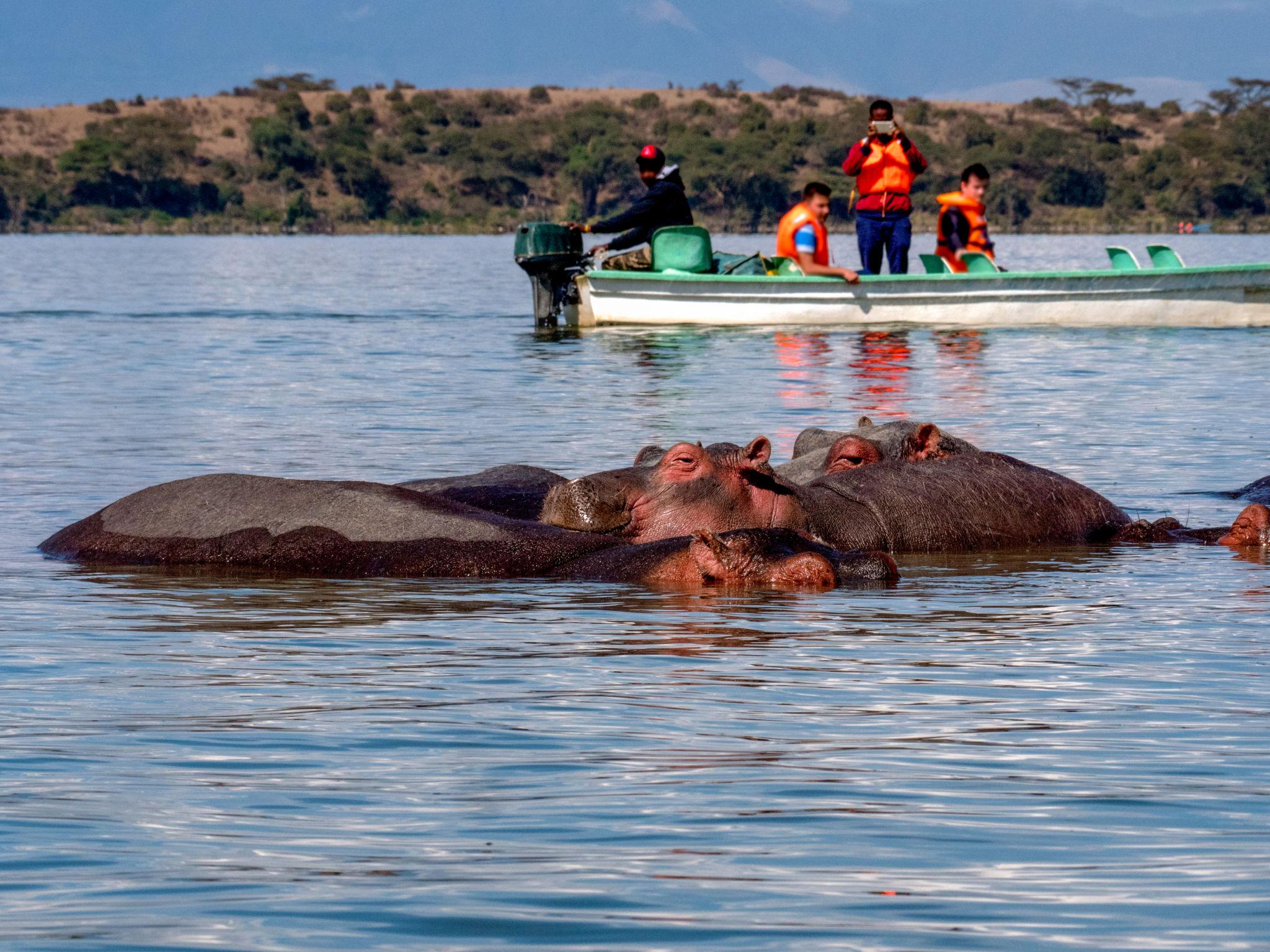
A boat trip on Lake Naivasha provides a peaceful contrast to game drives. The freshwater lake supports a variety of birds, while hippos may be seen resting in or moving through the water.
A knowledgeable local guide can help identify bird species and explain the lake’s ecosystem. Conditions vary with water levels, weather and wildlife movements, so the experience is different on each visit.
Choose a responsible operator and keep a safe distance from hippos and other wildlife.
Location: Lake Naivasha, Nakuru County.
Getting there from Nairobi: Approximately 90 km by road, usually 2–2.5 hours.
Best for: Couples, families, birdwatchers and travellers looking for a relaxed excursion.
Planning tip: Crescent Island and a boat trip can often be combined into one visit, subject to local arrangements and available time.
25. Cycle or Hike in Hell’s Gate National Park
Hell’s Gate National Park is known for dramatic cliffs, rock formations, gorges and geothermal landscapes. Unlike many Kenyan parks, selected areas allow visitors to explore on foot or by bicycle under the park’s rules.
Cycling through the open landscape provides a different perspective from a vehicle safari, while guided hikes can introduce you to the area’s geology and natural features.
Gorge access and hiking conditions can change, particularly after heavy rain. Check current park guidance and local safety advice before entering narrow or flood-prone areas.
Location: Near Naivasha, in the Great Rift Valley.
Getting there from Nairobi: Approximately 100 km to the park area, usually 2–2.5 hours by road, followed by the relevant access road to the entrance.
Best for: Active travellers, landscape photographers and families whose members meet the activity’s age and fitness requirements.
26. See Flamingos and Rhinos at Lake Nakuru National Park
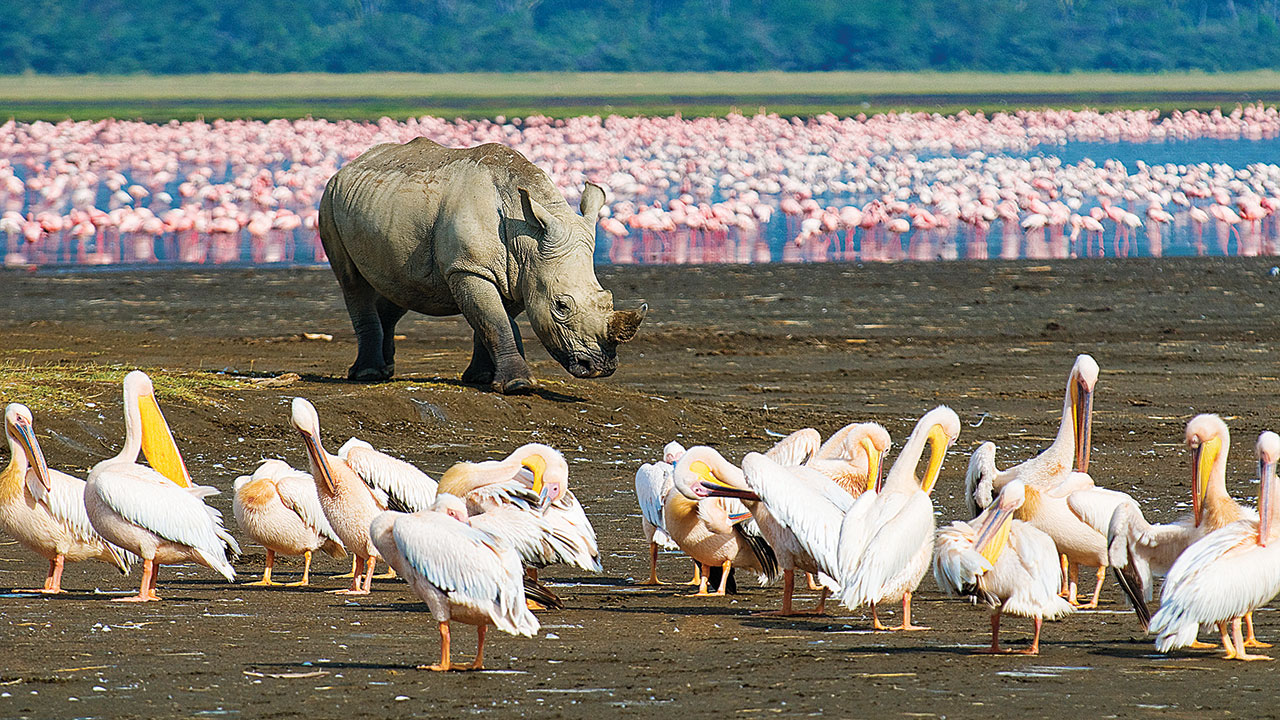
Lake Nakuru National Park combines lake scenery, woodland, grassland and important wildlife conservation areas.
The park is particularly known for rhino conservation and supports giraffes, buffaloes, zebras and numerous bird species. Flamingos are part of its reputation, but their numbers fluctuate with water levels, food availability and changing environmental conditions.
This makes Lake Nakuru rewarding even when large concentrations of flamingos are absent.
Location: Nakuru County, Rift Valley.
Getting there from Nairobi: Approximately 156 km by road, generally around 3–4 hours. Air access may be possible, but flight arrangements and availability should be confirmed.
Best for: Birdwatchers, photographers, families and travellers exploring the Rift Valley.
27. Photograph Elephants Beneath Mount Kilimanjaro in Amboseli
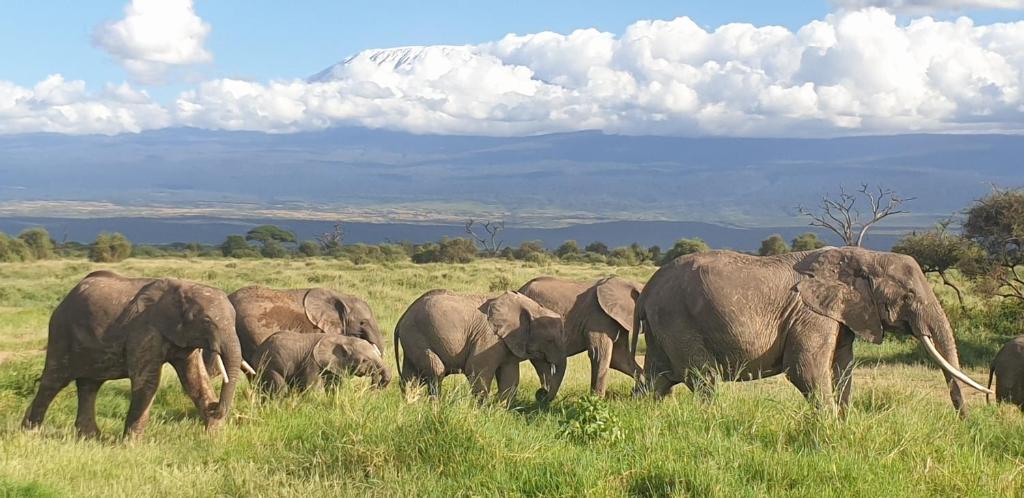
Amboseli National Park is famous for its elephant herds and spectacular views towards Mount Kilimanjaro, which rises across the border in Tanzania.
On clear mornings, the mountain provides an extraordinary backdrop for wildlife photography. The park’s wetlands and seasonal swamps attract elephants, buffaloes, zebras, wildebeest and numerous bird species.
Amboseli’s landscapes change with rainfall and the availability of water, making different seasons rewarding in different ways.
Location: Kajiado County, southern Kenya.
Getting there from Nairobi: Approximately 210–230 km by road, usually 4.5–5 hours. Flights from Wilson Airport to the Amboseli area may be available, commonly taking around 45–60 minutes depending on routing.
Best for: Elephant encounters, photographers, families and travellers seeking classic African safari scenery.
Insider tip: If mountain photography is a priority, allow more than one morning. Cloud cover can obscure Kilimanjaro even when wildlife viewing is excellent.
28. Explore the Mount Kenya Region
Mount Kenya, Africa’s second-highest mountain, offers a spectacular destination for hikers, climbers and nature enthusiasts.
Its slopes contain forests, bamboo zones, alpine vegetation and dramatic high-altitude scenery. Visitors can choose from shorter guided walks and lower-altitude nature experiences to multi-day treks and summit attempts.
More demanding climbs require appropriate equipment, physical preparation, acclimatisation and qualified guides. Weather and altitude can significantly affect conditions.
Location: Central Kenya, with access routes from Nanyuki, Chogoria and other trailhead areas.
Getting there from Nairobi: Approximately 200–230 km to Nanyuki, usually 3.5–4.5 hours by road. Flights to Nanyuki may be available, followed by onward transfers.
Best for: Hikers, mountain enthusiasts, photographers and travellers seeking an adventure beyond safari.
29. Discover Laikipia’s Private Conservancies
Laikipia is an excellent choice for travellers seeking conservation-focused safaris, distinctive landscapes and more intimate wildlife experiences.
Depending on the conservancy, activities may include guided game drives, walking safaris, night drives, horseback experiences and community-led conservation visits. Availability and permissions differ between properties, so check what your chosen accommodation offers.
Laikipia is also important for endangered wildlife and the protection of habitats that support movement between different conservation areas.
Location: Laikipia County, central Kenya.
Getting there from Nairobi: Approximately 200–300 km by road, commonly 3.5–6 hours depending on the conservancy. Flights to Nanyuki or suitable private airstrips may be available.
Best for: Private luxury safaris, repeat visitors, photographers and travellers interested in specialist wildlife experiences.
Insider tip: If walking safaris, night drives or horseback activities are priorities, select the conservancy around those interests before choosing accommodation.
30. Discover Lake Baringo and Its Birdlife
Lake Baringo offers a different perspective on Kenya’s Rift Valley, with freshwater scenery, rocky hills and an impressive variety of birdlife.
Boat excursions can provide opportunities to observe waterbirds and learn about the lake’s ecosystem. The surrounding landscape also offers a quieter alternative to some of the country’s busier tourist circuits.
Water levels and local access conditions can change, so confirm the status of your intended excursion before travelling.
Location: Baringo County, northern Rift Valley.
Getting there from Nairobi: Approximately 250–300 km by road, often 4.5–6 hours depending on the route and destination around the lake.
Best for: Birdwatchers, photographers and travellers seeking lesser-visited landscapes.
Kenya’s Coast and Beach Experiences
31. Relax on Diani Beach
Diani Beach is one of Kenya’s best-known coastal destinations, with white sand, warm Indian Ocean waters and a relaxed atmosphere.
After several days of early-morning game drives, you can spend your time swimming where conditions are safe, snorkelling, diving, sailing or enjoying a leisurely meal beside the ocean. Spa treatments and quiet beach days provide further opportunities to unwind.
Marine activities depend on tides, weather, visibility and operator availability. Follow local advice on swimming conditions and select responsible activity providers.
Location: South Coast, Kwale County, south of Mombasa.
Getting there from Nairobi: Approximately 480–520 km by road, usually 8–10 hours or longer. Flights to Ukunda Airport may be available, followed by a short road transfer.
Best for: Honeymoons, families, couples and travellers combining wildlife with beach relaxation.
Suggested combination: Maasai Mara and Diani Beach, with a domestic flight connecting the safari and coastal portions where schedules allow.
32. Explore Watamu’s Marine Life
Watamu is known for its beaches, coral reefs and marine environment. Depending on sea conditions, visitors can enjoy snorkelling, diving, glass-bottom boat trips and guided excursions around the Watamu Marine National Park area.
The destination also offers seafood restaurants, relaxed coastal accommodation and access to nearby natural and cultural attractions.
Choose marine operators who follow local conservation rules, avoid damaging coral and respect wildlife. Visibility, tides and marine conditions can affect the quality of excursions.
Location: Kilifi County, north of Mombasa.
Getting there from Nairobi: Approximately 500–600 km by road, generally 7–9 hours depending on the route. Flights to Malindi may be available, followed by a road transfer to Watamu.
Best for: Divers, snorkellers, families and travellers looking for a coastal extension to a safari.
33. Combine a Kenya Safari with a Beach Holiday
One of the most rewarding ways to experience Kenya is to combine its wildlife destinations with time on the coast.
You might begin with early-morning game drives in the Maasai Mara, explore elephant country in Amboseli or discover Laikipia’s conservation landscapes before travelling to Diani, Watamu or Lamu.
The combination offers variety without requiring you to choose between wildlife, culture and relaxation. A well-planned itinerary also allows you to account for domestic flight schedules, road transfers and time to recover between travel days.
Possible combinations include:
- Maasai Mara and Diani Beach: Classic wildlife viewing followed by a relaxed Indian Ocean escape.
- Amboseli and the coast: Elephant encounters and mountain scenery, followed by beach time.
- Laikipia and Watamu: Conservation-focused wildlife experiences combined with marine activities.
- Nairobi, the Maasai Mara and Diani Beach: A varied journey combining city attractions, safari and coastal relaxation.
Getting there from Nairobi: The Maasai Mara is approximately 250–300 km by road, Amboseli around 210–230 km and Diani approximately 480–520 km. Domestic flights can shorten selected transfers, subject to schedules and availability.
Best for: Honeymoons, families, couples, private luxury holidays and travellers wanting a varied Kenyan itinerary.
Planning tip: Avoid filling every day with a new destination. Allow enough nights in each location to enjoy the experience rather than spending much of the holiday travelling.
How to Plan Your Kenya Trip
When Is the Best Time to Visit Kenya?
Kenya is a year-round destination, but the best time to visit depends on the regions and activities you want to experience.
- June to October: Often favoured for classic wildlife safaris, with generally drier conditions in many areas. Large herds may be present in the Maasai Mara during the Great Migration, but timing and river crossings vary.
- January to February: Often a rewarding period for wildlife viewing in many regions, with warm conditions and opportunities for photography.
- March to May: The long rains can affect road conditions and travel times, while greener landscapes may appeal to photographers. Some properties offer seasonal rates.
- November to December: The short rains may bring fresh vegetation and excellent birdwatching, although showers can affect some activities.
These are broad seasonal patterns, not guarantees. Kenya’s climate varies by altitude and region, so consider conditions in each destination when planning your itinerary.
How Many Days Do You Need in Kenya?
Your ideal trip length depends on the number of destinations you want to explore and how much time you prefer to spend in each.
- 3–4 days: A Nairobi-focused visit or a short safari centred on one wildlife destination.
- 5–7 days: A more relaxed safari in one or two destinations, such as Amboseli and the Maasai Mara, subject to transfer times.
- 8–10 days: A broader safari combining several wildlife areas, conservation experiences or cultural attractions.
- 10–14 days: A more comprehensive journey that may include safari, the Rift Valley, northern Kenya or the coast.
For a safari-and-beach holiday, allow additional time for flights and transfers. The most rewarding itinerary is not necessarily the one that covers the most places, but the one that gives you time to appreciate each destination.
Should You Drive or Fly Between Destinations?
Both options have advantages.
Driving allows you to experience changing landscapes and, on suitable routes, stop at scenic viewpoints or attractions. It can work well for shorter journeys such as Nairobi to Naivasha, Nairobi to Amboseli and Nairobi to Ol Pejeta.
Flying can save time on longer journeys, particularly to the Maasai Mara, Samburu, Laikipia and the coast. Flights may operate from Wilson Airport or other designated airports and airstrips.
Baggage limits, departure points, flight schedules and onward transfers vary. Check the details before booking, especially if your itinerary includes several remote camps.
How Can You Choose the Right Safari Experience?
Start with the experience that matters most to you.
- For the Great Migration: Prioritise time in the Maasai Mara and allow flexibility around wildlife movements.
- For elephants and mountain scenery: Consider Amboseli.
- For rhino conservation: Explore Ol Pejeta or Lake Nakuru.
- For specialist activities: Investigate Laikipia’s conservancies and their individual permissions.
- For culture and history: Include Nairobi, Mombasa or Lamu.
- For walking and outdoor adventure: Consider Crescent Island, Hell’s Gate or the Mount Kenya region.
- For a safari and beach holiday: Combine a suitable wildlife destination with Diani, Watamu or Lamu.
For a private safari, choosing destinations around your priorities can produce a more coherent journey than selecting attractions individually and trying to fit them all into a short trip.
Important Travel-Planning Notes
Before booking, keep these practical considerations in mind:
- Distances and driving times in this guide are approximate estimates from Nairobi. Actual journey times depend on traffic, weather, road conditions and your exact destination.
- Flight availability, routes, baggage limits and schedules can change.
- Some experiences, including night drives, walking safaris, balloon flights and conservation visits, require advance reservations and may have age, safety or access restrictions.
- Wildlife sightings are never guaranteed. Plan around the overall experience rather than a promise to see a particular animal.
- Confirm current park fees, opening hours, admission procedures and activity inclusions with official sources before travelling.
- Use reputable operators, follow guides’ instructions and respect wildlife and local communities.
- Consider travel insurance that covers your planned activities and any relevant medical or evacuation requirements.
Plan Your Kenya Adventure with Camptrek Safaris
Kenya is more than a collection of famous parks and attractions. It is a country of extraordinary wildlife, distinctive cultures, remarkable landscapes and coastlines that invite you to slow down and take it all in.
At Camptrek Safaris, we create private journeys around the experiences that matter to you. Whether you want to explore the Maasai Mara, discover northern Kenya‘s conservation landscapes, photograph elephants beneath Mount Kilimanjaro, experience local food and coffee culture or finish your safari beside the Indian Ocean, your itinerary can be shaped around your interests and travel dates.
Our team can help you choose suitable destinations, accommodation, activities and transfers, balancing wildlife viewing with time to relax and enjoy each place.
Rather than simply moving from one attraction to another, we aim to create a journey with a natural rhythm: meaningful wildlife encounters, distinctive places to stay, knowledgeable local guiding and experiences that make the destination memorable.
Africa is a Feeling with Camptrek Safaris.
Contact Camptrek Safaris to start planning your private Kenya safari.