
The Hidden Luxury Safari Experience Most Travelers Never Discover
The first time most travelers imagine the Masai Mara, they picture dramatic river crossings, endless golden plains, and lions stalking wildebeest beneath East Africa’s vast skies.
But what many travelers do not realize is this:
Some of the most extraordinary safari experiences in Kenya happen outside the famous Masai Mara National Reserve itself.
Beyond the crowded game drive circuits lies another side of the Mara — quieter, wilder, more exclusive, and deeply connected to conservation. This is the world of the Masai Mara conservancies.
Here, safari vehicles are limited. Wildlife sightings feel private. Luxury camps disappear into untouched wilderness. Maasai guides lead walking safaris through landscapes where lions, elephants, and cheetahs still roam freely across ancient migration routes.
For luxury travelers, honeymooners, photographers, and repeat safari guests, conservancies have become the gold standard of East African safari travel.
Today, the conservancies surrounding the Masai Mara are not simply safari destinations. They are one of Africa’s most successful conservation stories — a rare model where wildlife protection, local Maasai communities, and sustainable luxury tourism work together.
Whether you are planning your first safari in Kenya or searching for a more refined and exclusive African safari experience, understanding the Mara conservancies is essential.
Short answer: Masai Mara conservancies are private wildlife areas around the national reserve, leased from Maasai landowners and run with safari camps. They limit vehicle numbers and allow walking safaris, night drives and off-road viewing, which the reserve does not. The result is a quieter, more exclusive safari that also supports local communities.
What Is a Masai Mara Conservancy?
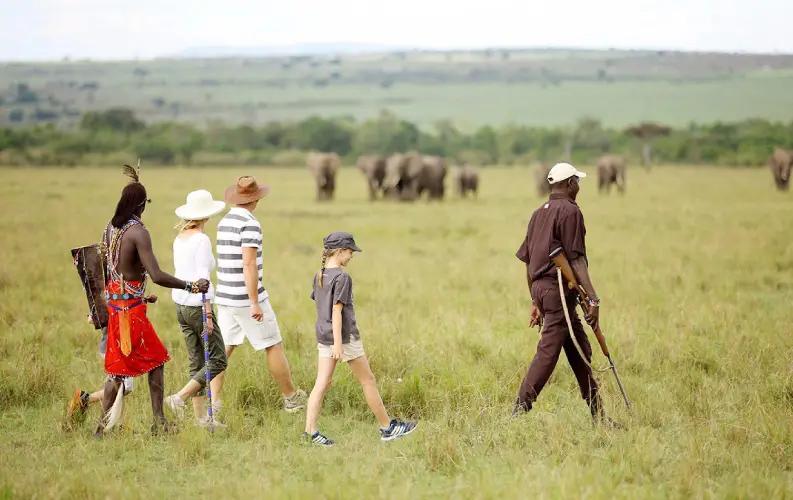
A conservancy is a protected wildlife area surrounding the Masai Mara National Reserve and managed through partnerships between Maasai landowners, safari operators, and conservation organizations.
Instead of being managed solely as government reserve land, conservancies operate under community conservation models where local Maasai families lease ancestral land for wildlife conservation and low-impact tourism.
This system allows wildlife to move freely across vast ecosystems while creating sustainable income opportunities for local communities through tourism and conservation initiatives.
Today, the Greater Mara ecosystem includes several world-renowned conservancies such as:
- Mara North Conservancy
- Naboisho Conservancy
- Olare Motorogi Conservancy
- Ol Kinyei Conservancy
- Lemek Conservancy
- Nashulai Conservancy
- Pardamat Conservancy
Together, these conservancies protect some of East Africa’s most important wildlife corridors beyond the main reserve.
Understanding the Greater Mara Ecosystem
The Masai Mara National Reserve forms the central core of the ecosystem, while conservancies surround the reserve across northern, northeastern, eastern, and western wildlife dispersal areas.
Many conservancies directly border the reserve itself, allowing wildlife to move freely between protected areas without fences.
For example:
- Mara North Conservancy lies north-west of the reserve
- Naboisho Conservancy sits north-east of the reserve
- Olare Motorogi borders the northern edge of the reserve
- Mara Triangle forms the western section of the ecosystem
During the Great Migration, wildebeest herds move dynamically between the Serengeti, central reserve, Mara River crossing zones, and conservancy grazing areas depending on rainfall and grass conditions.
This interconnected ecosystem is one of the reasons the Masai Mara remains one of the greatest wildlife destinations on Earth.
Masai Mara Reserve vs Conservancies — What’s the Difference?
Many first-time travelers assume all safari areas in the Mara operate the same way.
In reality, the experience inside a conservancy can feel completely different from the public reserve.
| Feature | Masai Mara National Reserve | Mara Conservancies |
|---|---|---|
| Visitor numbers | Higher | Lower |
| Vehicle density | Often crowded | Strictly controlled |
| Privacy | Moderate | Exceptional |
| Night game drives | Not allowed | Allowed in many conservancies |
| Walking safaris | Very limited | Common |
| Off-road driving | Restricted | Allowed in some areas |
| Accommodation | Mixed categories | Mostly luxury camps |
| Photography conditions | Challenging during peak season | Excellent |
| Conservation model | Government-managed | Community-led conservation |
One of the biggest advantages of conservancies is controlled tourism density.
Many conservancies strictly limit the number of safari camps and vehicles allowed inside their boundaries. This creates:
- quieter wildlife sightings
- more intimate safari experiences
- better photography conditions
- less environmental pressure
- greater exclusivity
During migration season, this difference becomes especially noticeable.
Why Luxury Travelers Prefer Mara Conservancies
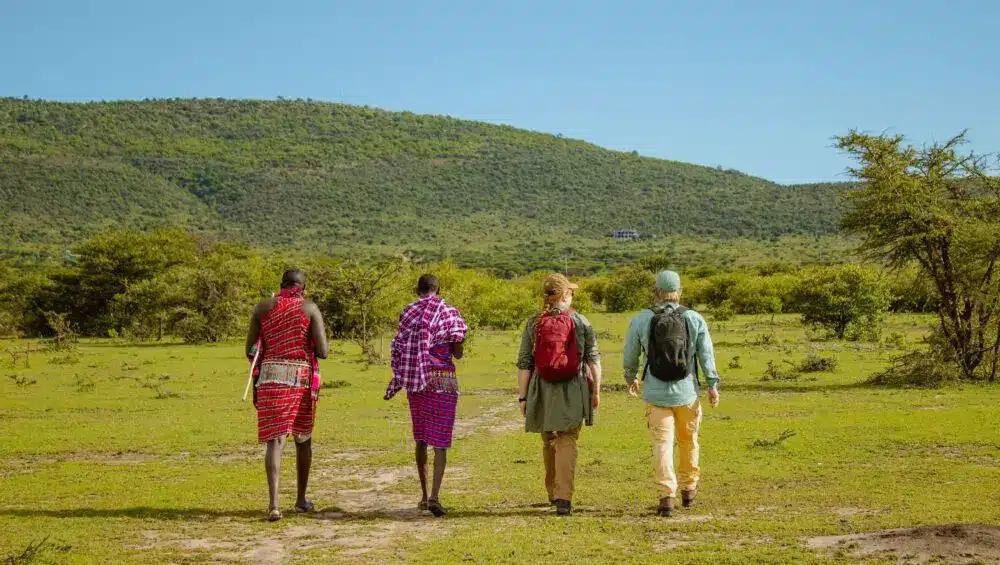
Over the last decade, luxury safari travel in Kenya has increasingly shifted toward conservancy-based experiences.
Travelers seeking exclusivity, premium guiding, privacy, and conservation-focused tourism often prefer conservancies over the busier central reserve.
Fewer Safari Vehicles
Unlike crowded migration crossings inside the reserve, conservancies often provide peaceful wildlife sightings with very few vehicles surrounding predators or river crossings.
This creates a more authentic safari atmosphere.
Night Game Drives
One of the greatest advantages conservancies offer is night safaris — experiences prohibited inside the national reserve.
After sunset, the Mara transforms into an entirely different world.
Night drives may reveal:
- leopards hunting silently
- aardwolves emerging from burrows
- civets crossing tracks
- porcupines foraging
- bush babies leaping through trees
- hyenas competing over kills
For many travelers, night drives become one of the most unforgettable parts of the safari.
Walking Safaris
Guided walking safaris with Maasai guides create a completely different connection to Africa.
Instead of watching wildlife only from vehicles, guests experience:
- animal tracks
- bird calls
- medicinal plants
- insect life
- ecological relationships
- Maasai bush knowledge
Walking safaris reconnect travelers to the landscape in a deeply immersive way.
For travelers interested in guided bush experiences, explore:
Luxury Bush Walking Safaris
Luxury Safari Camps
Most conservancies focus heavily on low-density luxury tourism.
Accommodation typically includes:
- boutique tented camps
- private safari villas
- ultra-luxury lodges
- personalized guiding experiences
- private dining experiences
- premium safari services
Some well-known luxury camps associated with conservancy safaris include:
- Angama Mara
- Mara Plains Camp
- Saruni Mara
- Richard’s River Camp
- Kicheche Bush Camp
These camps have helped position the Mara conservancies among Africa’s most exclusive safari destinations.
The Great Migration — But Without the Crowds
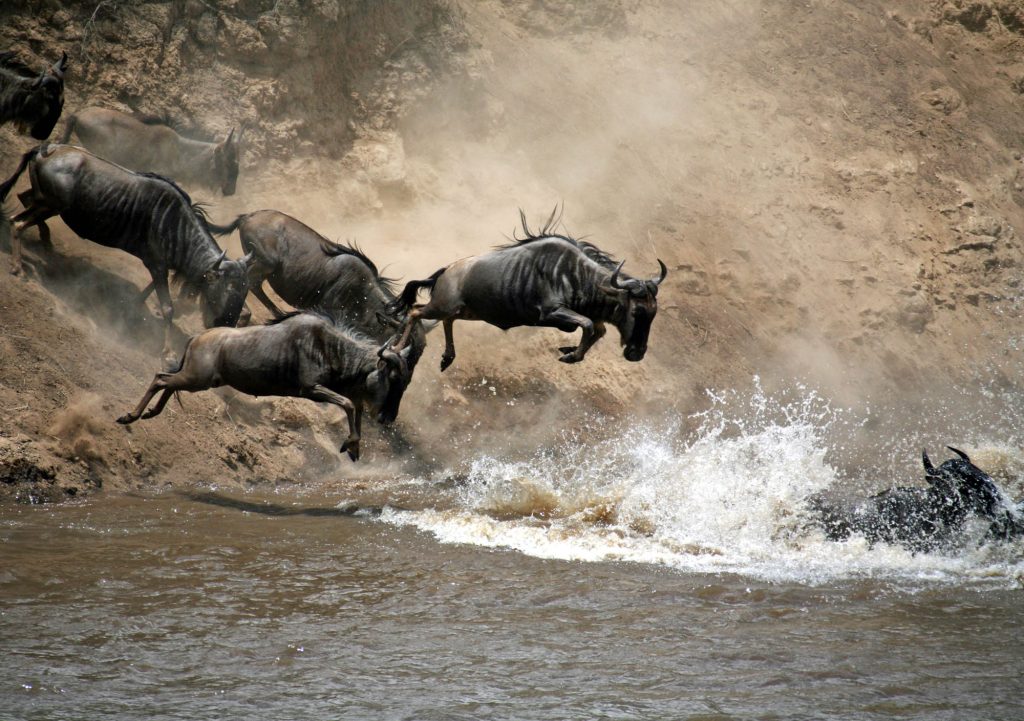
The Great Migration remains one of Earth’s most extraordinary wildlife spectacles.
Over 1.5 million wildebeest, accompanied by zebra and gazelle, move between the Serengeti and Mara ecosystems searching for fresh grazing.
Most travelers associate the migration only with dramatic Mara River crossings.
But conservancies also play a major role in the migration ecosystem.
Depending on rainfall and movement patterns, massive herds may spend extended periods grazing inside conservancy areas.
This creates opportunities for:
- quieter migration viewing
- exceptional predator action
- fewer safari vehicles
- premium photography
- intimate wildlife encounters
For many luxury travelers, this experience is actually more rewarding than crowded river crossings.
For migration-focused safaris, explore:
Kenya & Tanzania Safari Experiences
The Best Conservancies in the Greater Mara Ecosystem
Mara North Conservancy
One of the most established conservancies in the ecosystem, Mara North is known for:
- luxury safari camps
- excellent predator sightings
- migration access
- strong conservation management
It remains one of the most sought-after safari areas in East Africa.
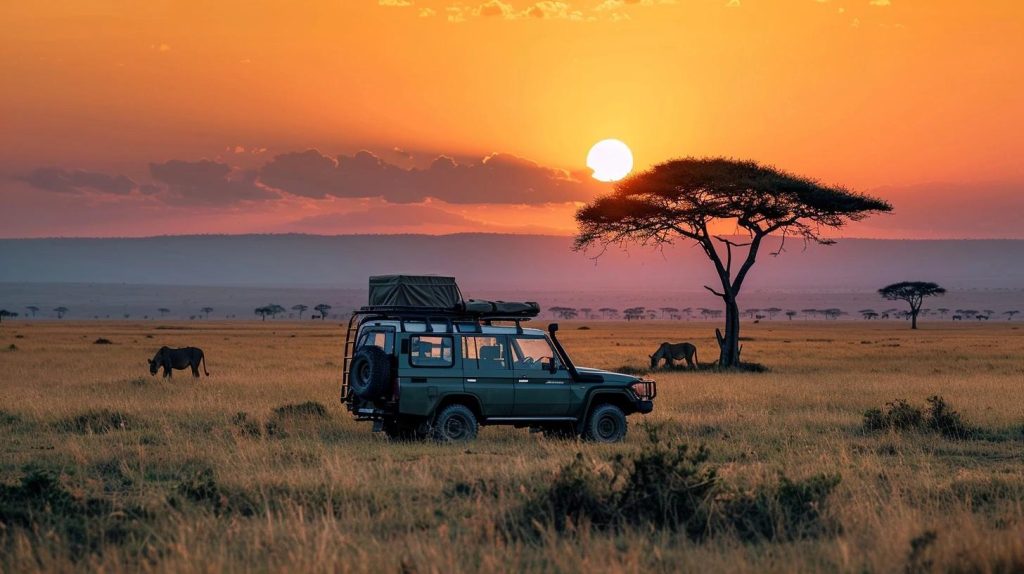
Naboisho Conservancy
Naboisho has become famous for:
- high lion density
- low tourism pressure
- exceptional photographic safaris
- exclusive safari experiences
Its strict tourism controls create quieter and more rewarding wildlife encounters.
Olare Motorogi Conservancy
Bordering the reserve itself, Olare Motorogi is one of Kenya’s finest luxury safari conservancies.
Known for:
- luxury honeymoon safaris
- premium camps
- exceptional predator sightings
- privacy and exclusivity
It is especially popular with honeymoon couples and luxury safari travelers.
Ol Kinyei Conservancy
One of the original community conservancies established in the Mara ecosystem.
Ol Kinyei remains ideal for:
- low vehicle density
- peaceful landscapes
- authentic safari atmosphere
- travelers seeking privacy
Mara Triangle
Technically part of the reserve but managed separately, the Mara Triangle is known for:
- excellent wildlife density
- lower congestion
- stronger management systems
- migration crossings
Many experienced safari guides consider it one of the best-managed safari areas in Africa.
How to Choose the Right Masai Mara Conservancy
Not all conservancies offer the same safari experience.
Choosing the right conservancy depends heavily on your travel style and safari expectations.
Best Conservancy for First-Time Safari Travelers — Mara Triangle
Excellent wildlife density, classic safari atmosphere, and easier migration access make the Mara Triangle ideal for first-time visitors to Kenya.
Best Conservancy for Luxury Honeymoon Safaris — Olare Motorogi Conservancy
Perfect for:
- honeymoon couples
- anniversary safaris
- romantic luxury escapes
- private safari experiences
Best Conservancy for Wildlife Photography — Naboisho Conservancy
Excellent for:
- predator photography
- fewer vehicles
- flexible game drives
- wildlife filmmakers
Best Conservancy for Great Migration Safaris — Mara North Conservancy
Offers excellent migration access while still maintaining a quieter and more exclusive safari atmosphere.
Best Conservancy for Quiet & Private Safaris — Ol Kinyei Conservancy
Ideal for travelers wanting:
- fewer crowds
- peaceful landscapes
- authentic safari atmosphere
- low tourism density
Conservancies and Conservation Impact
The conservancy model has become globally respected because it successfully balances conservation, tourism, and community development.
Revenue generated through conservancy tourism supports:
- Maasai land lease payments
- anti-poaching patrols
- wildlife monitoring
- habitat protection
- local employment
- education initiatives
- community development projects
Without conservancies, much of the land surrounding the reserve would face increasing pressure from fencing, settlement expansion, and habitat fragmentation.
The conservancy system helps preserve critical migration routes for:
- elephants
- lions
- cheetahs
- wildebeest
- zebra
- giraffes
- numerous bird species
This conservation model may represent the future of sustainable safari tourism in Africa.
Best Time to Visit Masai Mara Conservancies
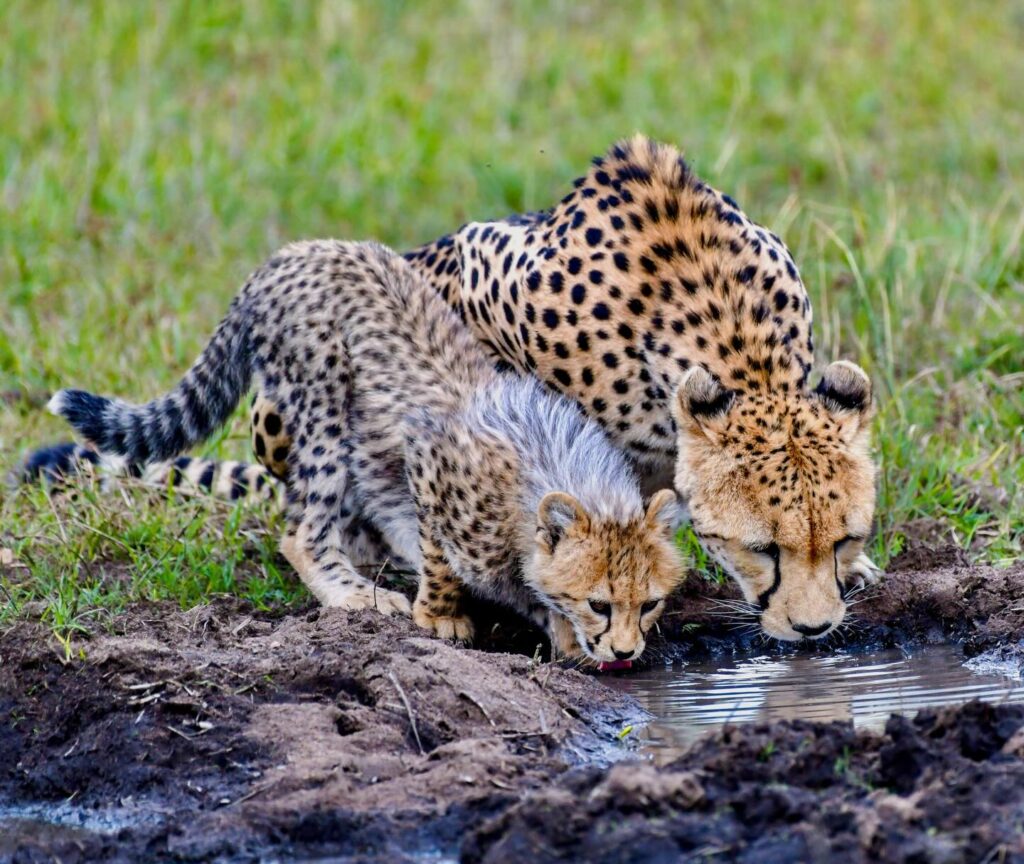
July to October — Great Migration Season
Best for:
- river crossings
- predator action
- dramatic wildlife encounters
- migration photography
This is peak safari season in Kenya.
January to March — Predator & Calving Season
Excellent for:
- big cat sightings
- warm weather
- photography
- fewer crowds
Many safari experts consider this one of the best overall safari periods.
Green Season (April–June & November)
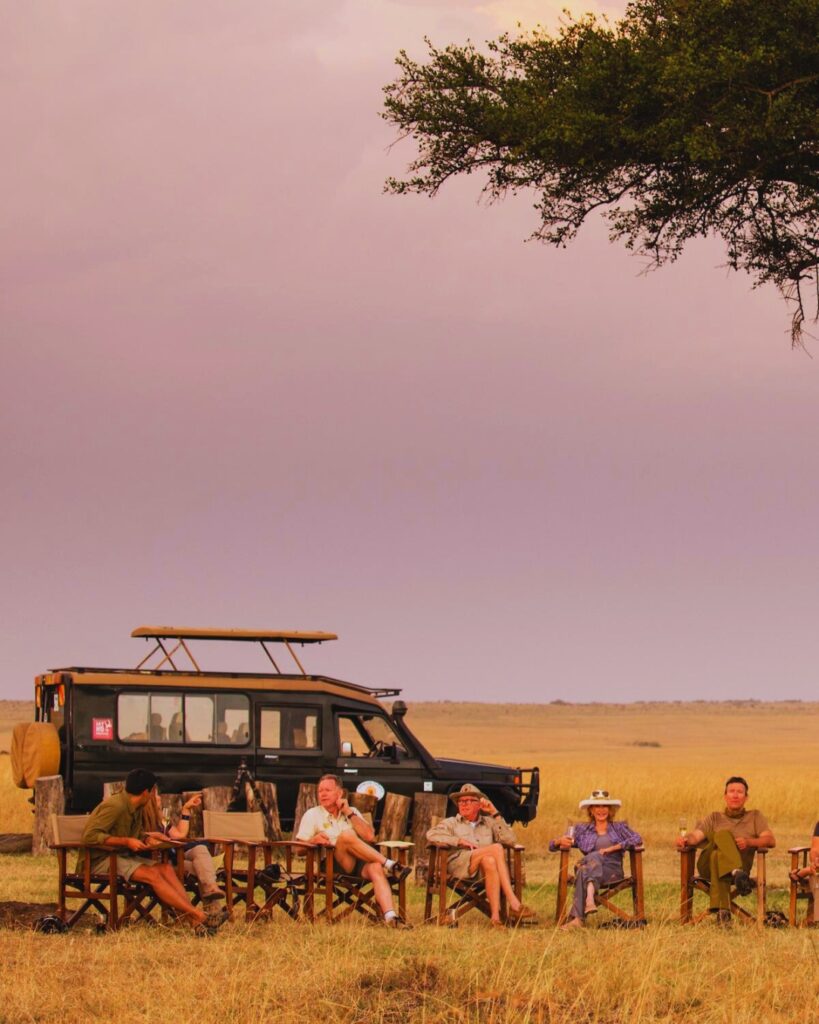
One of Africa’s most underrated safari periods.
Expect:
- lush scenery
- fewer vehicles
- lower safari rates
- dramatic skies
- exceptional birding
- beautiful photography conditions
Luxury travelers increasingly choose green season safaris for privacy and value.
Are Mara Conservancies Worth the Extra Cost?
Conservancy safaris are often more expensive because:
- guest numbers are limited
- camps are smaller
- conservation fees are significant
- safari experiences are highly personalized
However, many travelers consider conservancies worth the investment because of:
- exclusivity
- premium guiding
- fewer crowds
- luxury accommodation
- conservation contribution
- superior photography
- private safari atmosphere
For honeymooners, photographers, luxury travelers, and repeat Africa guests, conservancies often provide dramatically greater value.
For tailor-made luxury Kenya safari experiences, explore:
Luxury Kenya Safari Packages
Frequently Asked Questions About Masai Mara Conservancies
Are conservancies better than the Masai Mara Reserve?
Conservancies often provide a more exclusive safari experience with fewer vehicles, luxury camps, night drives, walking safaris, and stronger privacy compared to the busier public reserve.
Which conservancy is best for the Great Migration?
Mara North Conservancy and areas bordering the Mara Triangle are among the best conservancies for migration safaris due to their wildlife density and reduced congestion.
Are conservancies worth the extra cost?
For many luxury travelers, photographers, honeymooners, and repeat safari guests, conservancies offer significantly greater value through exclusivity, premium guiding, conservation impact, and lower tourism density.
Can you do night game drives in conservancies?
Yes. Many conservancies allow night drives, unlike the main Masai Mara National Reserve where night safaris are prohibited.
Which conservancy is best for honeymoon safaris?
Olare Motorogi Conservancy is widely considered one of the best choices for honeymoon safaris due to its luxury camps, privacy, and romantic safari atmosphere.
How many nights should you stay in a conservancy?
Most luxury travelers should spend at least 3–4 nights in a conservancy to fully enjoy game drives, walking safaris, relaxation, and wildlife experiences without rushing.
Final Thoughts
The conservancies surrounding the Masai Mara have transformed luxury safari travel in Kenya.
By combining exceptional wildlife experiences with community conservation and low-density tourism, they offer one of the most exclusive safari experiences in Africa.
For travelers seeking:
- privacy
- premium guiding
- meaningful conservation impact
- luxury safari camps
- fewer crowds
- extraordinary wildlife encounters
the Mara conservancies represent the future of luxury safari travel in East Africa.
Whether you are planning your first Kenya safari or returning to Africa for a more refined wilderness experience, the Masai Mara conservancies provide some of the most intimate and unforgettable wildlife journeys on Earth.
Plan your Mara safari: explore our Masai Mara safari guide for lodges, seasons and itineraries.