98% Client Satisfaction Rating

Luxury Kenya Safaris
Overview
Wildlife, culture and exclusive safari experiences
There are few places left in the world where nature still moves to its original rhythm — and Kenya is one of them. This is a land where dawn breaks over endless plains, where ancient migration routes are older than borders, and where every horizon promises something extraordinary. With Camptrek Safaris, Kenya is not simply visited — it is experienced, slowly and intimately, through journeys designed for travelers who value space, silence, and authenticity.
Kenya’s wildlife encounters are legendary not because of numbers alone, but because of how they unfold. From the dramatic predator theatre of the Maasai Mara to the raw, untamed beauty of the Great Rift Valley, safaris here feel deeply personal. Game drives are unhurried, sightings are uninterrupted, and expert guides read the land like a living story — turning each day into a private chapter of discovery.
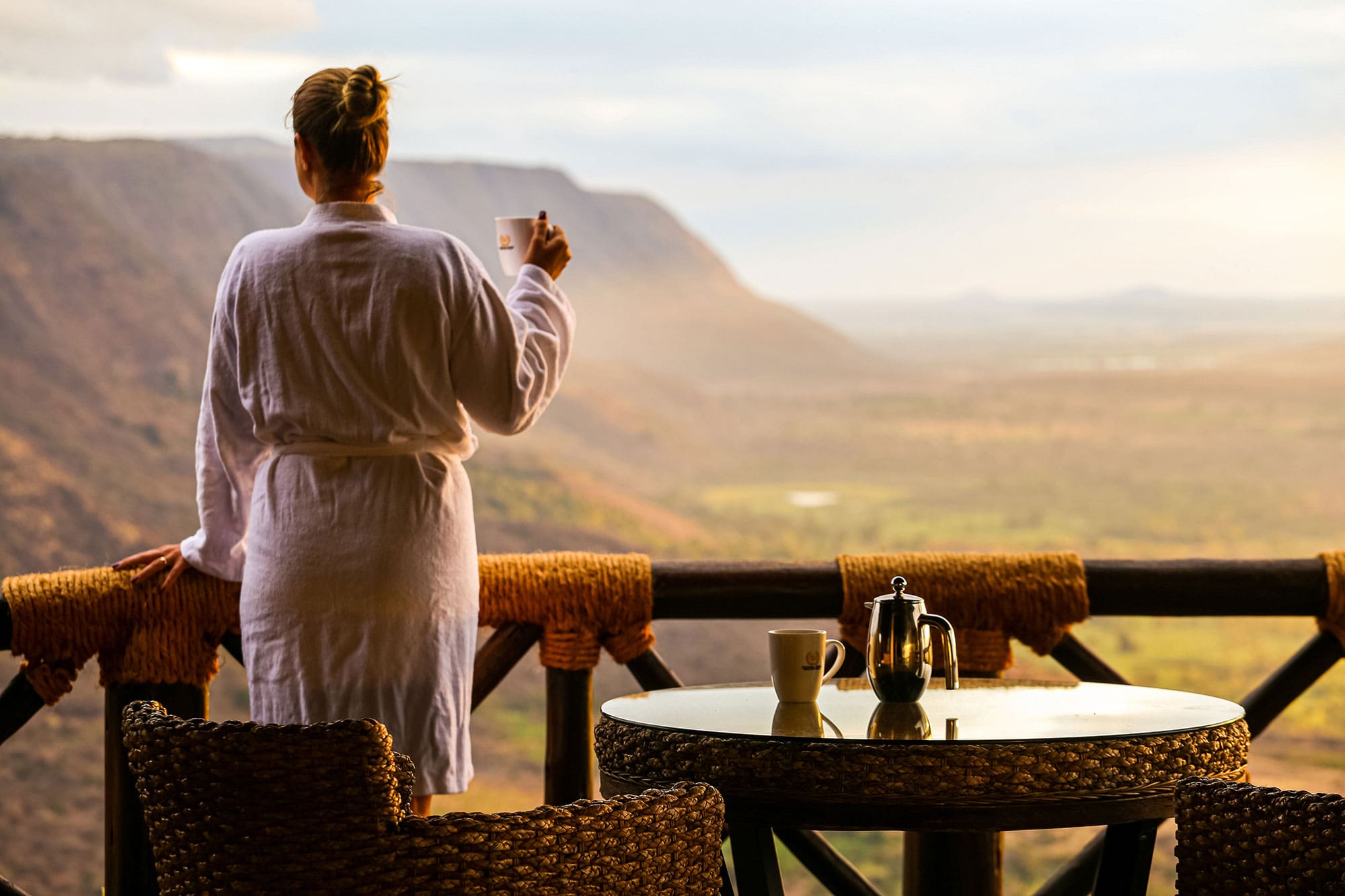
Luxury in Kenya is subtle and purposeful. It lives in elegant tented camps hidden in remote landscapes, in fireside dinners beneath vast African skies, and in lodges that blend seamlessly with their surroundings. Conservation is not an afterthought — it is the foundation. Many of the country’s most exclusive areas actively protect endangered species and support local communities, ensuring that your journey contributes meaningfully to the future of this remarkable land.
A safari with Camptrek is never rushed, never crowded, and never generic. Whether you choose a classic Big Five adventure, a culturally rich journey through Maasai lands, or a seamless combination with Tanzania or the coast, every detail is curated with care. Here, travel becomes memory and memory becomes legacy.
Why Go on Safari in Kenya?
Short answer: Kenya combines the Great Migration in the Masai Mara, reliable Big Five viewing, private conservancies and an Indian Ocean coast, all within short flights of Nairobi. It is one of the easiest places in Africa to plan a luxury safari, from a three-night fly-in to a two-week bush-to-beach journey.
Top Parks and Reserves in Kenya
- Masai Mara: big cats year-round and the Great Migration from July to October.
- Amboseli National Park: large elephant herds beneath Mount Kilimanjaro.
- Laikipia: private conservancies, rhino conservation and walking safaris.
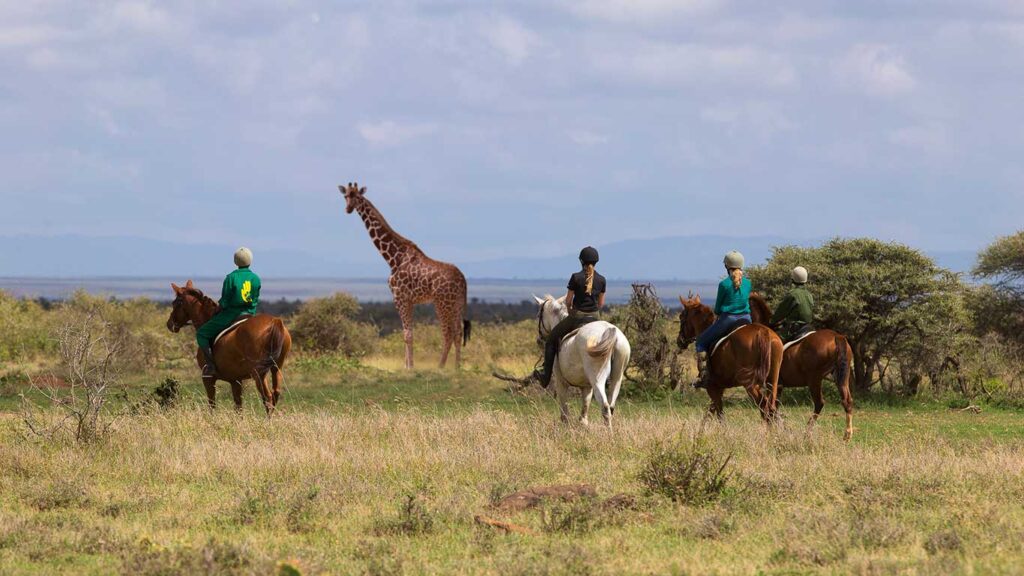
- Samburu and Shaba: northern specials such as Grevy’s zebra and reticulated giraffe.
- Tsavo East and West: vast wilderness and red-dust elephants.
- Lake Nakuru and Naivasha: Rift Valley lakes, rhino and birdlife.
- Diani and Watamu and Malindi: beaches to end your safari.
Best Time to Visit Kenya for Safari
July to October is peak season for the Great Migration and dry-season game viewing. January and February are warm and dry with fewer crowds, while March to May is the green season, with lush landscapes and quieter camps. Our month-by-month guide to the best time to visit Kenya covers each season in detail.
Luxury Lodges and Camps in Kenya
Kenya’s finest stays range from intimate tented camps in the Mara conservancies to exclusive-use houses in Laikipia. Compare options in our guide to Masai Mara luxury lodges and camps.
Kenya Safari Itineraries
- 3-Day Masai Mara Fly-In Luxury Safari
- 6-Day Masai Mara Conservancy Safari
- 13-Day Kenya, Tanzania and Zanzibar Tour
Browse all of our safari tour packages, or see how a combined Kenya and Tanzania safari works.
Kenya Safari FAQs
How many days do you need for a Kenya safari?
Allow at least three nights for the Masai Mara alone. Seven to ten days lets you add a second region, such as Laikipia, Amboseli or Samburu.
Is Kenya safe for a safari?
Yes. Safari travellers move with licensed guides and stay in staffed camps. Read our guide: is the Masai Mara safe in 2026.
How much does a luxury Kenya safari cost?
Costs depend on the season, lodges and flights. See our luxury safari cost guide for a full breakdown.
Talk to our Kenya safari specialists to start planning your trip.
Highlights
Big Five & Rare Wildlife – Private, expert-led encounters with lions, elephants, leopards, and black rhinos in exclusive wilderness areas.
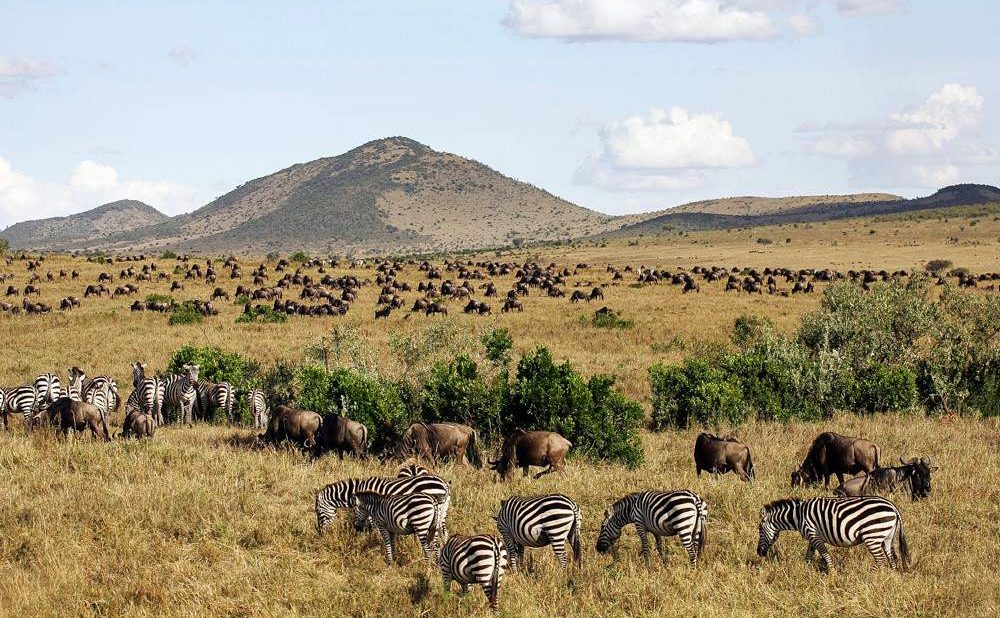
The Great Migration – Witness wildebeest and zebra crossings in private conservancies, far from the crowds.
Endangered Wildlife Tracking – Follow black rhinos, cheetahs, and other rare species in remote, private wilderness areas.
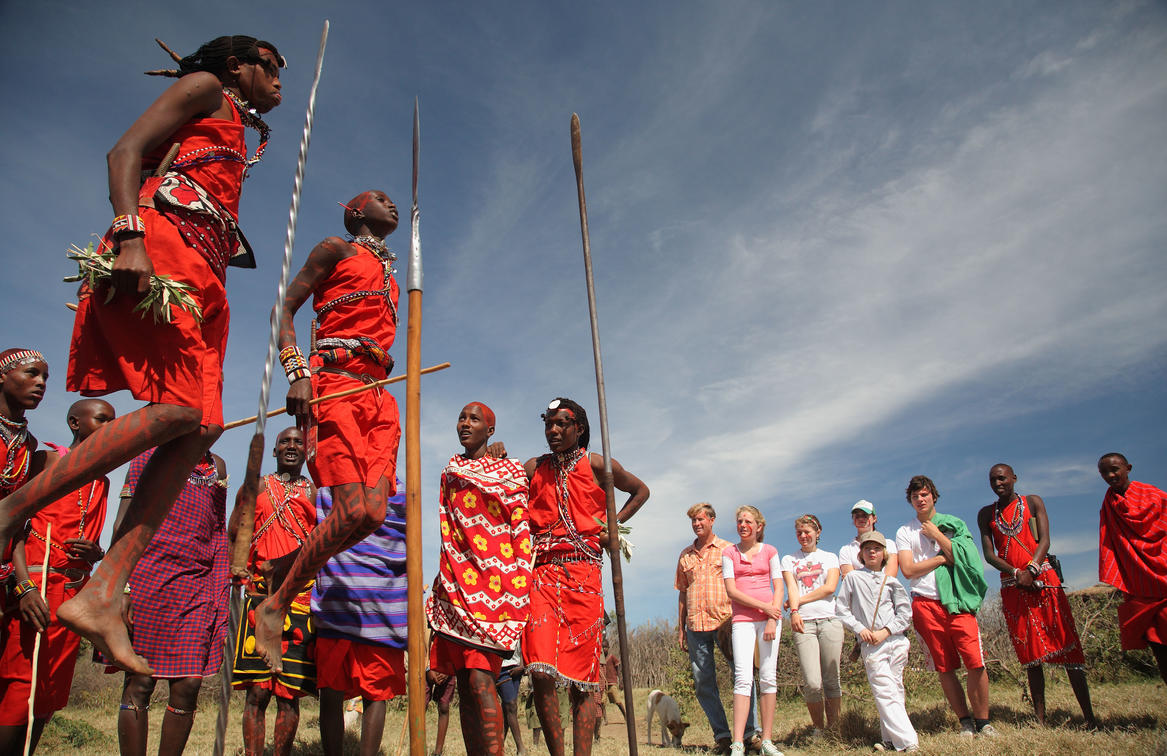
Authentic Cultural Connections – Engage respectfully with Maasai communities and experience Kenya’s rich traditions firsthand.
Places to Visit in Luxury Kenya Safaris
When to visit Kenya
July – October: Peak wildlife season, ideal for the Great Migration and Big Five sightings.
January – February: Warm, dry months with excellent predator viewing and fewer crowds.
March – May: Green season, lush landscapes, and quieter luxury safaris.
Trip Inspirations
Travel Guide
- March 16, 2026
- By Simon Seno
- September 7, 2026
- By Simon Seno
- May 19, 2026
- By Simon Seno
- March 27, 2026
- By Simon Seno
- May 15, 2026
- By Simon Seno
- March 25, 2026
- By Simon Seno
- March 31, 2026
- By Simon Seno
- April 20, 2026
- By Simon Seno
- May 21, 2026
- By Simon Seno
- June 26, 2026
- By Simon Seno
- April 9, 2026
- By Simon Seno
- March 31, 2026
- By Simon Seno
- March 30, 2026
- By Simon Seno
- March 31, 2026
- By Simon Seno
- April 20, 2026
- By Simon Seno
- April 7, 2026
- By Simon Seno
- May 11, 2026
- By Simon Seno
- June 12, 2026
- By Simon Seno
- March 11, 2026
- By Simon Seno
- April 7, 2026
- By Simon Seno
- March 23, 2026
- By Simon Seno
- June 4, 2026
- By Simon Seno
- May 6, 2026
- By Simon Seno
- September 24, 2026
- By Simon Seno
- July 8, 2026
- By Simon Seno
- July 15, 2026
- By Simon Seno
- May 20, 2026
- By Simon Seno
- June 18, 2026
- By Simon Seno
- September 17, 2026
- By Simon Seno
Meet Our Luxury Travel Specialists


A Curated Collection of Africa's Finest
Crafting your journey from a curated portfolio of 500+ exclusive lodges and safari operators, we ensure luxury, comfort, and authenticity at every step.