
Protecting Nature, Restoring You: Sustainable and Wellness Tourism in Kenya
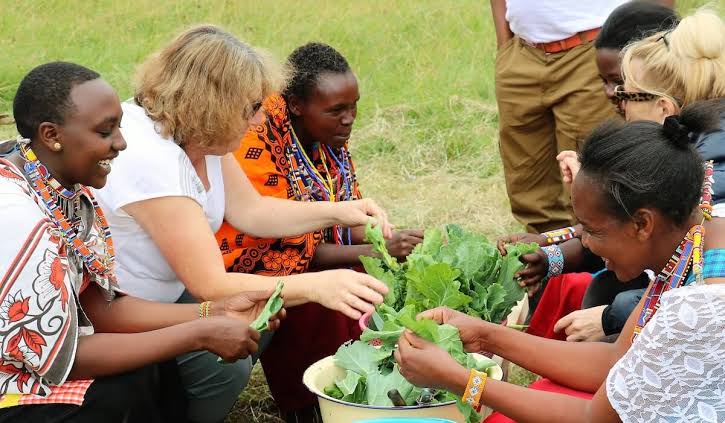
Tourism depends on the beauty, culture, and natural resources of the places it visits. In Kenya, that means the wildlife that draws safari travelers, the beaches that draw coastal tourists, and the communities that host cultural experiences are the very assets tourism must protect to survive. Increasingly, that same landscape is also where travelers go to protect their own wellbeing.
Short answer: sustainable and wellness tourism in Kenya means choosing camps and conservancies that protect wildlife and pay local communities, such as the Masai Mara conservancies and the community conservancies of northern Kenya, while giving yourself time to slow down and reconnect with nature.
Conservation Beyond the National Parks
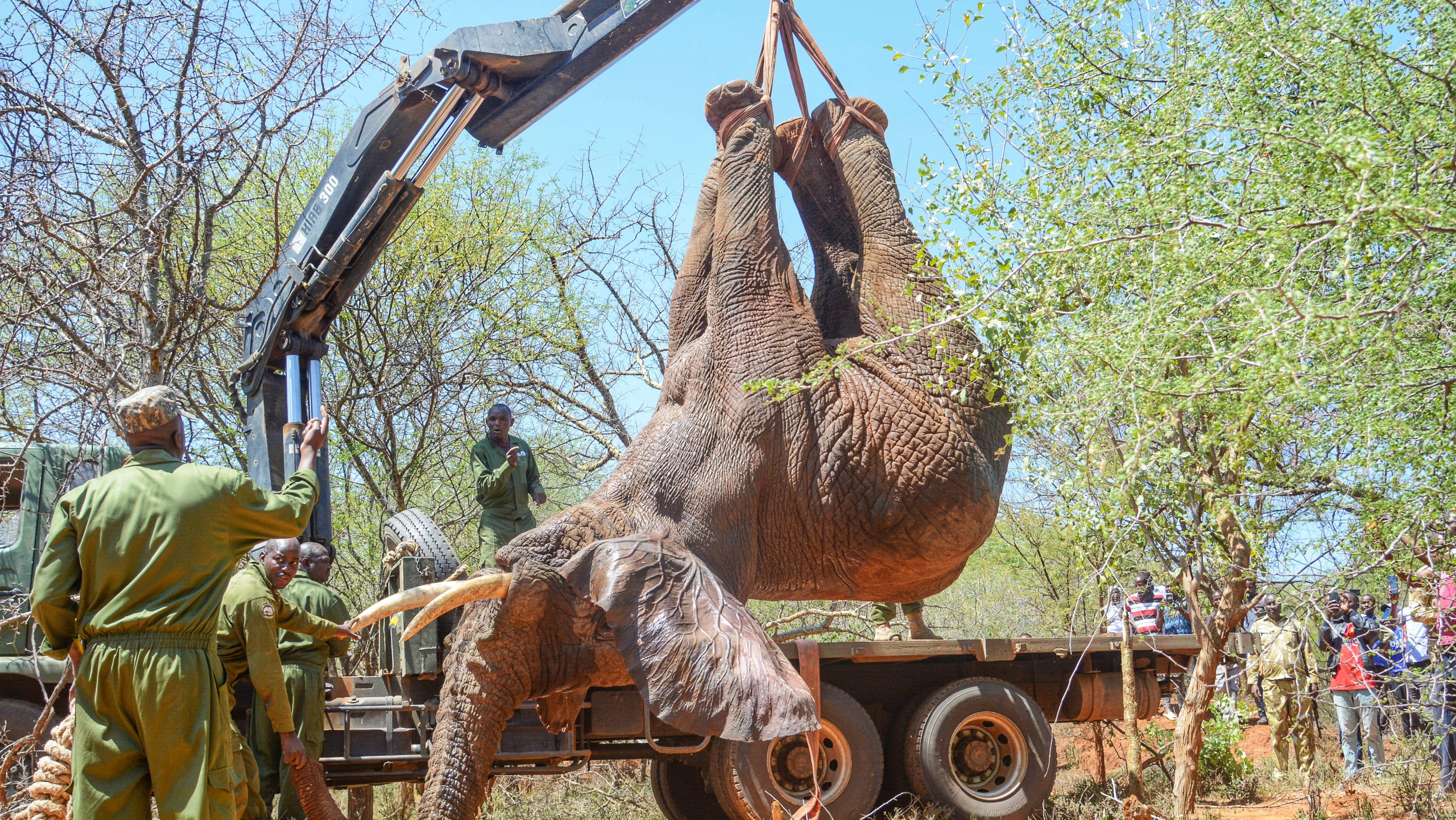
Kenya’s national parks — Maasai Mara, Amboseli, Tsavo, Lake Nakuru, Samburu — remain the backbone of its conservation reputation. But increasingly, the more interesting story is happening outside their boundaries, in Kenya’s growing network of wildlife conservancies.
In the Maasai Mara ecosystem, conservancies such as Naboisho, Olare Motorogi, and Mara North operate on land leased directly from Maasai landowners. Communities are paid to keep the land open for wildlife instead of converting it to agriculture or settlement — giving them a direct financial incentive to conserve rather than develop.
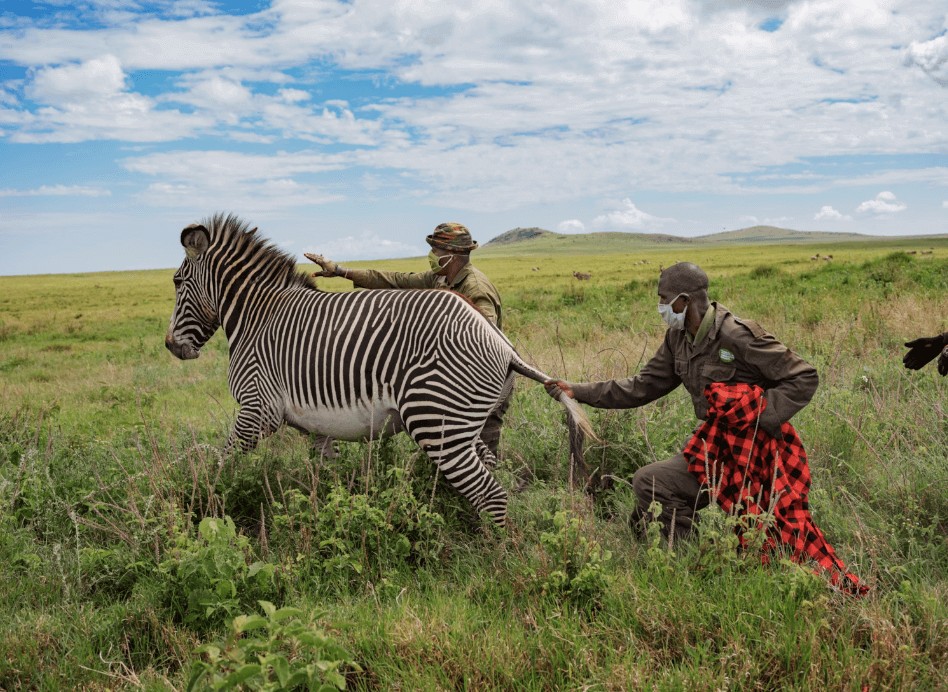
In northern Kenya, the Northern Rangelands Trust supports a network of community conservancies, including Il Ngwesi and Namunyak, that combine wildlife protection with community governance, security, and tourism revenue-sharing.

Travelers are increasingly asking how conservation actually works — not just what animals they’ll see. That curiosity has fueled growth in conservation-focused safaris, community-led experiences, and eco-friendly camps that let visitors understand, not just observe, the ecosystems they’re visiting. Sustainable accommodation — solar power, water conservation, waste reduction, locally sourced food — is now a common feature of Kenya’s safari lodges.
Protecting the Coast
Kenya’s Indian Ocean coastline faces real pressure: plastic pollution, stress on marine ecosystems, and climate change impacts on coral reefs and coastal habitats. Sustainable coastal tourism — responsible diving and snorkeling, reef protection, and community involvement in ocean conservation — is becoming central to how coastal destinations like Diani, Watamu, and Malindi position themselves.
Wellness Tourism: A New Reason to Travel
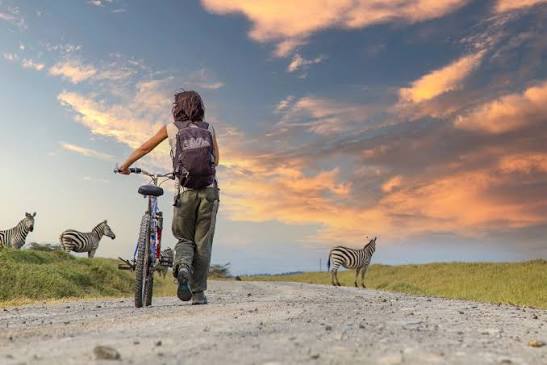
Travelers are increasingly asking not just “where should I go” but “how will this trip make me feel.” Kenya’s landscapes are well suited to answer that question. Karura Forest offers nature-based wellness minutes from Nairobi, and the Aberdare and Kereita forest areas offer a deeper version of the same escape a short drive out. On the coast, Diani Beach has become a genuine hub for yoga and meditation retreats, with beachfront studios running multi-day programs alongside ocean-view accommodation.
Where Wellness Meets Safari

Kenya’s most distinctive wellness opportunity may be the safari itself. A small but growing number of Mara-area camps already market themselves as “wellness safaris” — pairing game drives with sunrise meditation, spa treatments, and mindfulness programs at eco-lodges. It’s a template that gives Kenya something few other safari destinations can easily replicate: wellness experiences built directly into the wildlife encounter.
Two Trends, One Direction
Wellness travelers tend to prefer destinations that protect the environment, support local communities, and offer authentic experiences — which lines up closely with Kenya’s existing conservation and community tourism strengths. Eco-lodges, conservancy stays, and community-led cultural experiences aren’t just sustainable tourism assets; they’re wellness assets too. Kenya’s opportunity is to market both together: a destination that protects what makes it special, and helps travelers feel restored in the process.
Sustainable Safari FAQs
What is a conservancy safari?
A safari on land leased from local communities, who earn income from tourism while wildlife is protected. Read Masai Mara conservancies explained.
Can a safari be good for wellbeing?
Yes. Quiet days in nature, early mornings and time away from screens are restorative, and some camps add yoga or spa experiences.
How do I choose a responsible safari?
Choose operators and camps that support conservation and local communities. See our ethical safari guide.
- Kenya Wildlife Service
- Northern Rangelands Trust
- Kenya Tourism Board
- World Travel & Tourism Council