
Chapter 1: Introduction
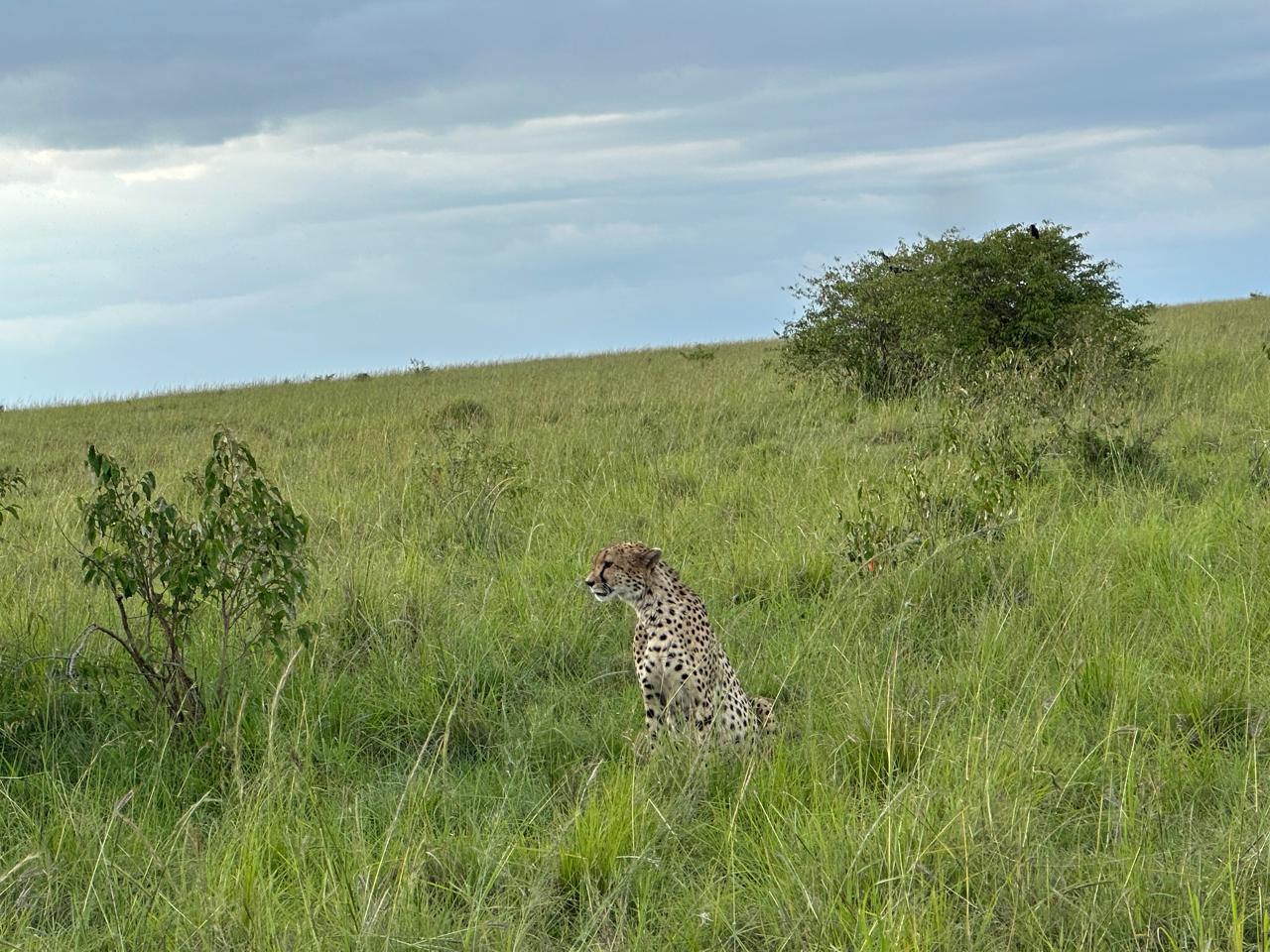
Picture a herd of elephants moving quietly across the Amboseli plains, Kilimanjaro rising behind them. Picture the dawn chorus rolling over the Serengeti, or a river crossing so loud with hooves and water that you feel it before you see it. These are not just travel moments. They exist because vast landscapes, remarkable wildlife, and the people who protect them are still standing — and that is not guaranteed.
Kenya and Tanzania are home to some of the world’s most iconic wild places: the Maasai Mara National Reserve, the Serengeti, the Ngorongoro Conservation Area, Amboseli, Tarangire, Samburu, and dozens of conservancies in between. Together they support the Big Five, the Great Migration, hundreds of bird species, and ecosystems found nowhere else on Earth.
None of it is guaranteed to last.
Visitor numbers are rising. Infrastructure is expanding. Climate patterns are shifting. Land that once supported wildlife corridors is under growing pressure to become farmland, settlement, or something else entirely. Tourism can go either way — it can fund the rangers, conservancies, and communities that hold this system together, or it can quietly add to the strain. The difference comes down to choices: where you stay, who guides you, which parks you visit, and which businesses you put your money behind.
Kenya’s Tourism Sector, By the Numbers (2025)
Two headline figures that show how directly your booking feeds the wider economy
Source: World Travel & Tourism Council (WTTC), 2025 Economic Impact Research.
That is what sustainable and ethical safari travel is about. It is not a lodge with solar panels or a “no plastic straws” policy — though those things help. It is a way of travelling that treats wildlife conservation, cultural respect, and local livelihoods as inseparable from the itinerary itself, not as an add-on.
When it is done properly, safari tourism becomes one of the most effective conservation tools in existence. Park fees fund ranger patrols. Conservancy fees pay Maasai and Samburu landowners not to fence or plough their land. Community-owned tourism ventures turn wildlife from a liability — something that eats livestock and destroys crops — into an asset worth protecting. Kenya’s conservancy model, in particular, has become a global reference point for how tourism revenue can directly fund coexistence between people and wildlife.
Travellers are asking sharper questions before they book:
- Will my safari genuinely support conservation, or just claim to?
- Does my visit put money into the pockets of local communities?
- Is my operator a responsible safari operator in practice, not just in marketing copy?
- Can I have a luxury safari and still travel sustainably?
The answer to that last one is yes — and it’s worth saying clearly: luxury and sustainability stopped being opposites years ago. Some of East Africa’s finest camps are built around low guest numbers, expert naturalist guides, deep conservation partnerships, and genuine cultural exchange. Increasingly, luxury isn’t measured by excess. It’s measured by privacy, exclusivity, and knowing your trip left something behind besides footprints.
At Camptrek Safaris, we work from one simple idea: the best safari is the one that leaves a place better than it found it. This guide walks through what sustainable and ethical safari travel actually looks like in Kenya and Tanzania, why it matters, and how to choose an operator that lives up to it rather than just advertising it.
Chapter 2: What Makes a Safari Sustainable & Ethical?
A safari is a relationship — between travellers, wildlife, local communities, and the land itself. Every decision made before and during the trip either supports that relationship or strains it. Here’s what separates a genuinely sustainable, ethical wildlife safari from one that just uses the right buzzwords.
The Three Pillars
1. Environmental Responsibility
The land is the foundation everything else stands on. Operators who take this seriously stick to designated roads and tracks, cut down on waste and single-use plastics, manage water and energy carefully, and choose accommodation partners that do the same. None of this is glamorous. It’s also non-negotiable.
2. Wildlife Conservation
Ethical safaris put the animal’s welfare ahead of the perfect photograph. That means keeping a respectful distance, never chasing a sighting, never boxing an animal in with vehicles, and being willing to simply wait — sometimes for a long time — rather than force an encounter. It also means understanding that tourism revenue itself is a conservation tool: park fees, conservancy fees, and research levies fund the anti-poaching patrols and habitat protection that keep these species alive at all.
3. Supporting Local Communities
This is the pillar too many “eco” safaris skip. Tourism creates real jobs — guides, drivers, chefs, artisans, farmers supplying camps with produce — and when that income reaches local communities, wildlife stops being a threat to livelihoods and starts being the reason those livelihoods exist. Community conservancies are the clearest proof of this. When a Maasai family earns more from a conservancy lease and tourism revenue than they would from converting that land to farming, the land — and the wildlife on it — stays wild.
Who’s Protecting Kenya’s Land?
Community & private conservancies now cover more ground than formally gazetted national parks
- Community & private conservancies 16%
- National parks & reserves 8%
- Other land use 76%
Source: The Nature Conservancy (2023); Kenya Wildlife Conservancies Association status reports. Figures are approximate and evolve as new conservancies register.
What Ethical Actually Looks Like
An ethical operator prioritises wildlife welfare over entertainment, respects park regulations without cutting corners, hires knowledgeable local guides, sources locally where it can, and is transparent about how it operates — not just what it says on its “About” page. Nature is not a performance. The best sightings are the ones nobody staged.
Luxury and Sustainability Aren’t Opposites
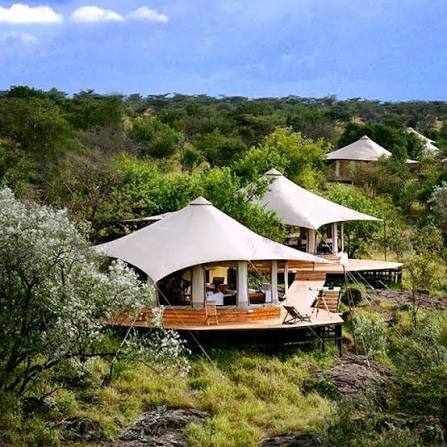
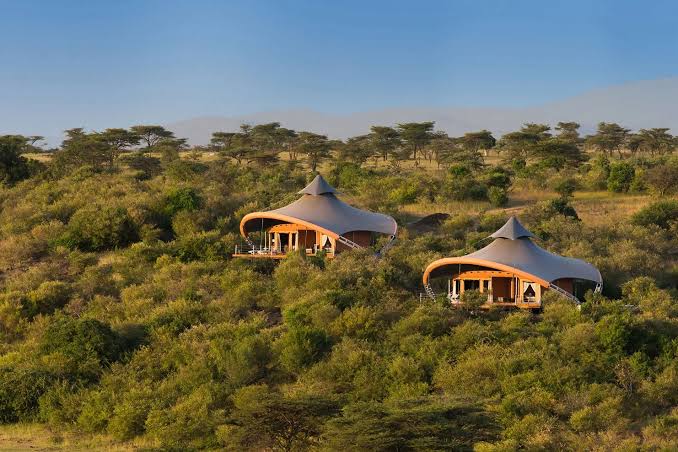
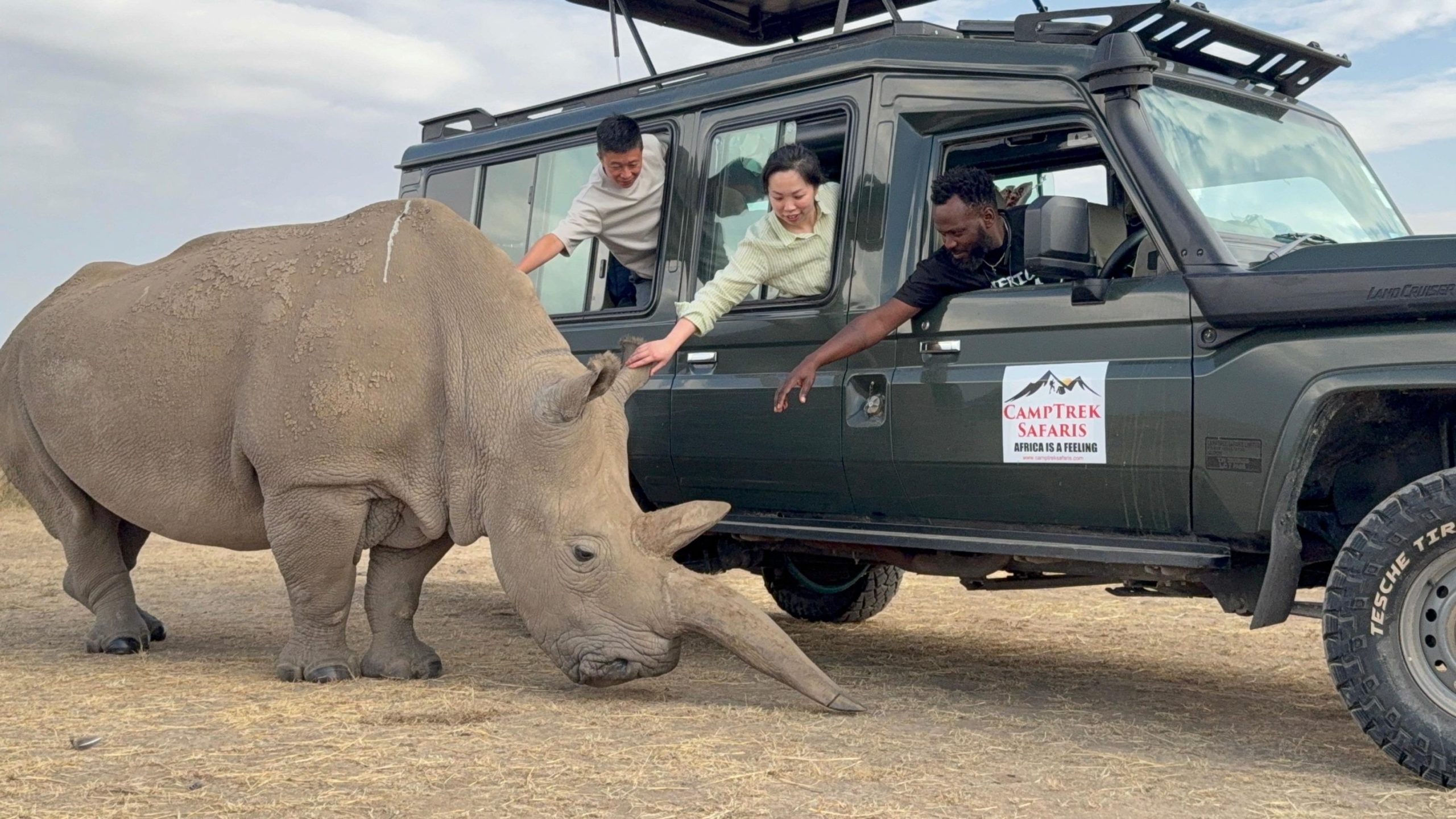
Some of the most respected examples of this balance in East Africa include Ol Pejeta Conservancy in Laikipia, home to the last two northern white rhinos on Earth and a major funder of community and anti-poaching programmes through tourism revenue, and Mara North Conservancy, which limits bed density and vehicle numbers precisely so the Mara ecosystem isn’t loved to death. Solar-powered camps, locally sourced menus, and small-footprint tented suites prove that comfort and conservation aren’t in competition — they’re often the same design decision.
| Conservation Area | Country | Approx. Size | Known For |
|---|---|---|---|
| Mara North Conservancy | Kenya | ~29,000 ha | Maasai-owned group conservancy bordering the Mara; strict visitor caps |
| Ol Pejeta Conservancy | Kenya | ~36,000 ha | Last two northern white rhinos; East Africa’s largest black rhino sanctuary |
| Amboseli conservancies (ALOCA) | Kenya | Multiple linked areas | Elephant corridor connecting Amboseli to Chyulu Hills & Tsavo |
| Tarangire dispersal areas | Tanzania | Multiple linked areas | Dry-season elephant corridor out of Tarangire National Park |
Why Your Choice Matters
Every booking is a vote. Choose a responsible operator, and you fund ranger patrols, wildlife corridors, and Maasai family incomes. Choose the cheapest option with no questions asked, and you might just be funding a transaction with no return for the land or the people on it. Sustainable travel isn’t about seeing less — it’s about your trip actually mattering.
Chapter 3: How Sustainable Tourism Protects Wildlife, Communities & the Environment
Protecting Wildlife
Healthy lion, elephant, rhino, and cheetah populations depend on well-funded conservation systems, and tourism is a major source of that funding — park fees, conservancy fees, and responsible operators all channel money into wildlife monitoring, anti-poaching patrols, veterinary care, and habitat restoration. Without it, many protected areas would be stretched far thinner than they already are.
Inside the Great Migration Herd
Approximate species composition of the Serengeti–Mara migration
- Wildebeest ~68%
- Zebra ~18%
- Gazelle & other grazers ~14%
Source: Asilia Africa; African Bioservices Great Migration research updates. Ratios vary year to year with rainfall.
Connected Landscapes, Not Just Parks
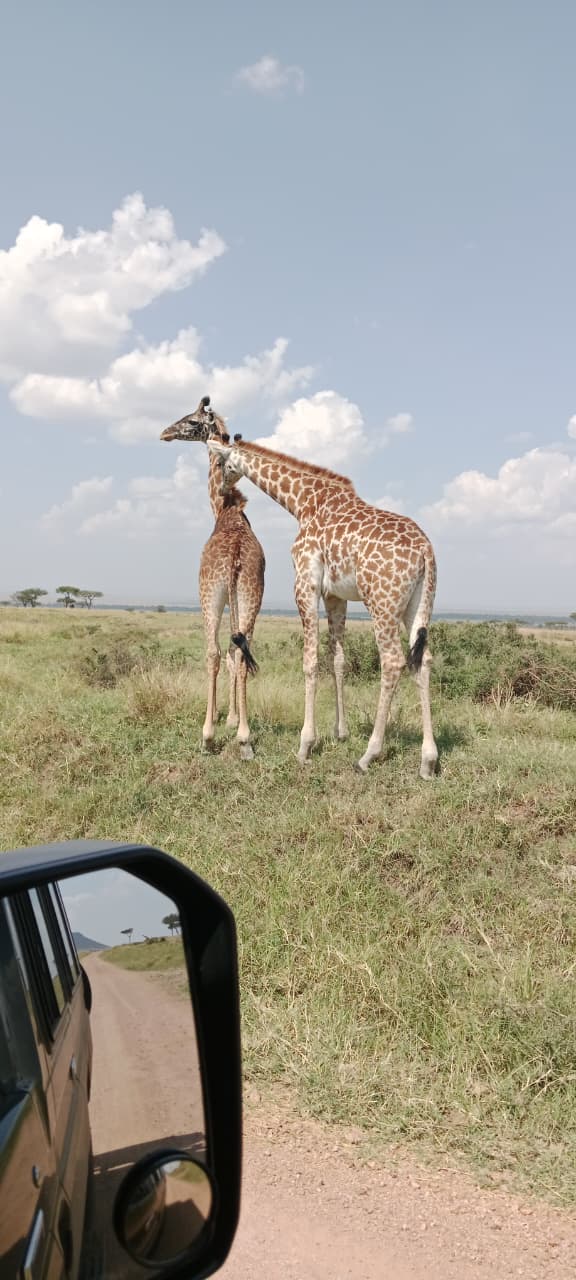
Wildlife doesn’t respect park boundaries. Elephants moving between Amboseli and the Chyulu Hills, or wildebeest crossing between the Serengeti and the Maasai Mara, need unbroken corridors — savannah, wetland, woodland, marine — to migrate, breed, and find water. Conservancies like those bordering Tarangire, which protects a critical dry-season corridor for elephants moving out of the park, exist specifically to keep those corridors open when they’d otherwise be fenced off or farmed.
Communities: The Part Too Many Guides Skip
Conservation doesn’t work without the people living alongside the wildlife. Tourism creates income for guides, drivers, lodge staff, farmers supplying camps, artisans, and cultural performers — and it’s this income, more than any brochure, that keeps communities invested in protecting the land. Responsible operators go further by partnering directly with community-owned conservancies, where lease payments and tourism revenue flow straight back to the Maasai, Samburu, or other local landowners.
Reducing the Footprint
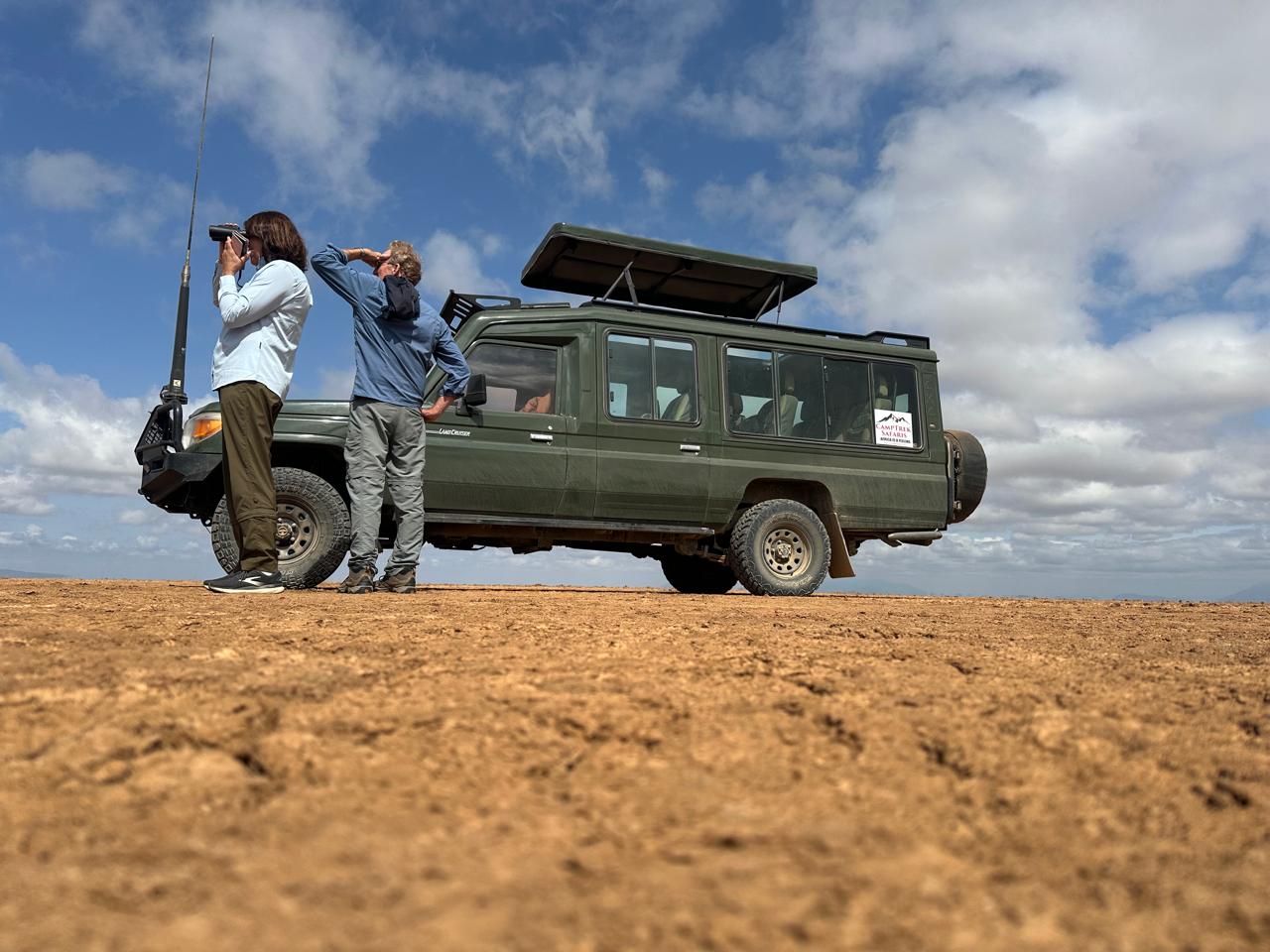
Camps across the region have adopted solar power, rainwater harvesting, greywater recycling, and locally sourced kitchens — and travellers add to that by carrying reusable water bottles, avoiding litter, and simply respecting the rules that exist for good reason. None of these actions look dramatic individually. Multiplied across the roughly 2.5 million international visitors Kenya alone welcomes each year, they add up fast.
Responsible Wildlife Viewing, In Practice
- Keeping a respectful distance and reading the animal’s behaviour, not just the sighting
- No loud noises, no sudden movement, no feeding
- Staying on designated tracks — off-roading damages root systems that take years to recover
- Knowing when to simply leave a sighting alone
Chapter 4: How to Choose a Responsible Safari Operator in Kenya & Tanzania
Not every company that calls itself sustainable actually is. Here’s how to tell the difference.
Ask for Proof, Not Just Claims
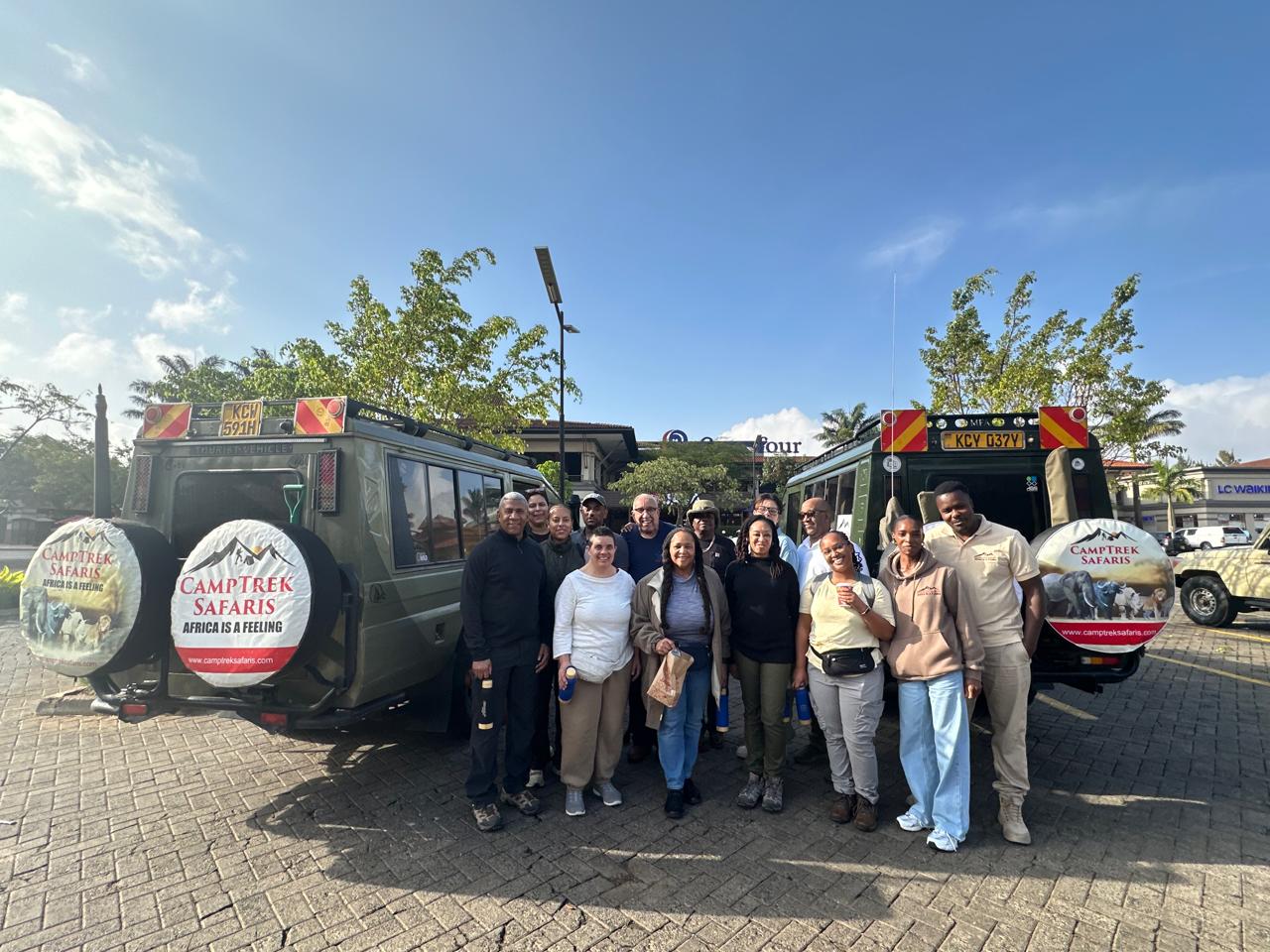
Anyone can put “eco-friendly” on a homepage. A genuinely responsible safari operator should be able to name the conservancies it works with, explain where guest fees go, and describe its community partnerships in specific terms — not vague sustainability language. If a company gets cagey when you ask a direct question, that’s your answer.
Prioritise Wildlife Welfare
Look for operators whose guides maintain safe viewing distances, respect park speed limits, stay on designated tracks, and avoid piling vehicles onto a single sighting. Ethical guiding means trusting the animal’s behaviour to be the story — not forcing the moment.
Check Who Actually Benefits
Does the company employ local guides and staff? Work with community-owned camps and conservancies? Source food and supplies locally? Support genuine cultural exchange rather than staged performances? These are the questions that separate a conservation safari Kenya travellers can be proud of from one that just markets itself that way.
Smaller Groups, Better Outcomes
Private and small-group safaris reduce pressure on sensitive sightings, allow more flexible and personal guiding, and generally produce a far better wildlife experience — for the animals as much as the guests.
Red Flags Worth Walking Away From
- Guarantees of close encounters with dangerous wildlife
- Feeding or baiting animals for a better shot
- Off-road driving where it’s prohibited
- Vague or absent answers about sustainability and community partnerships
- Pricing pitched purely on being the cheapest option, with no mention of conservation impact
Where Does Kenya’s Wildlife Actually Live?
The majority is outside formally protected parks — which is exactly why conservancies matter
- Outside national parks & reserves (community/private land) ~68%
- Inside formally protected parks & reserves ~32%
Source: Kenya Wildlife Conservancies Association / The Nature Conservancy field data. Figures are widely-cited estimates, not annual census data.
A truly memorable safari isn’t measured only by what you saw. It’s measured by what your visit left behind.
Chapter 5: How Camptrek Safaris Applies Sustainable Tourism
It’s one thing to talk about responsible travel in the abstract. Here’s what it looks like in how we actually build a trip.
How we work:
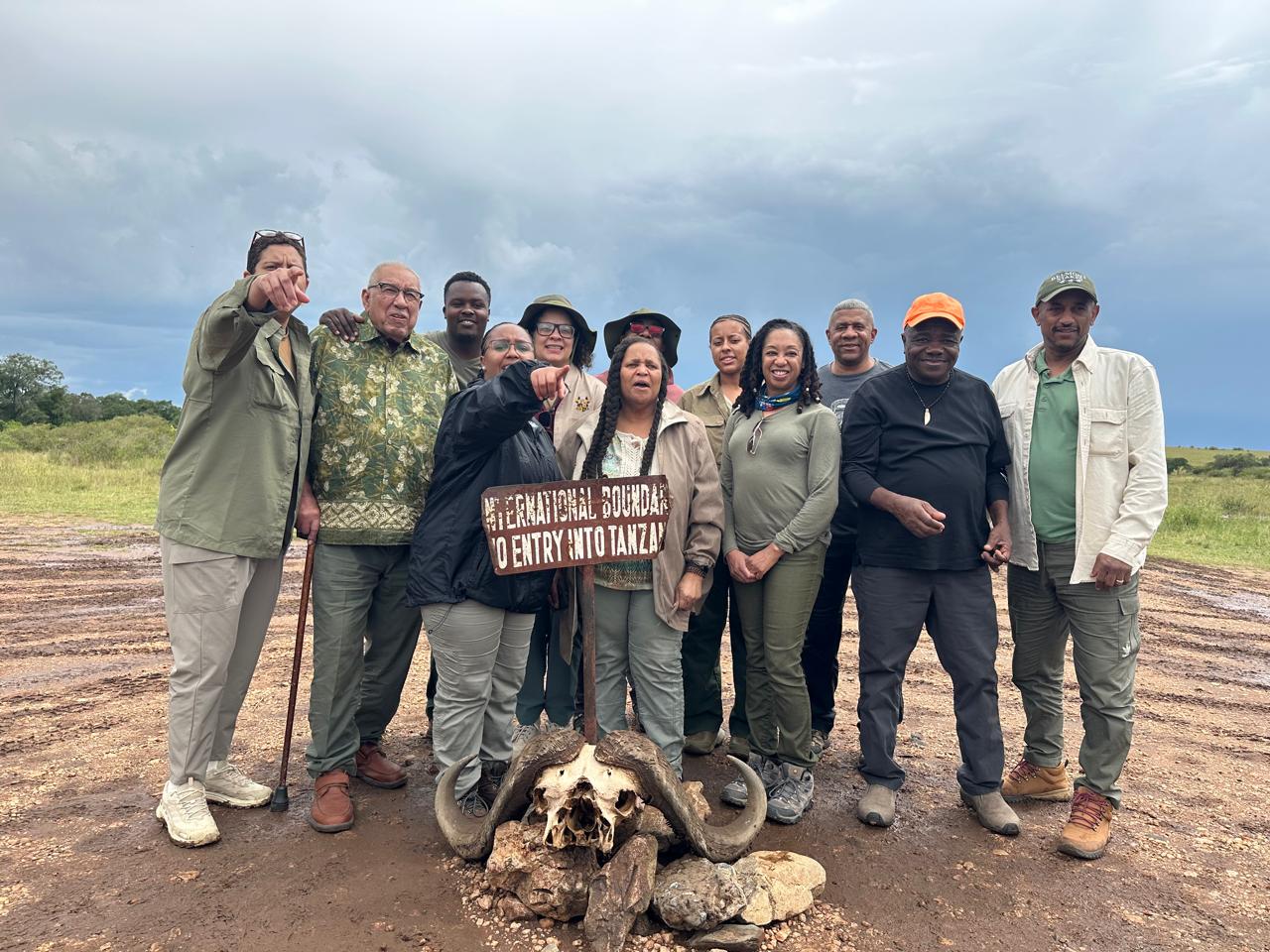
- We favour smaller camps over mass tourism — fewer beds, less pressure on sensitive ecosystems, better sightings.
- We work with experienced local guides who read animal behaviour rather than chase it, and who know these landscapes because they grew up in them.
- We encourage longer stays over rushed circuits — fewer transfers, a lighter footprint, and a deeper experience for you.
- We partner with camps and conservancies that can show their work — solar power, water conservation, local employment, genuine conservation funding — not just a sustainability page on their website.
- We avoid any operator or activity that treats wildlife as a prop — no baiting, no guaranteed close encounters, no off-road chasing.
- We support local suppliers, guides, and community-owned conservancies wherever an itinerary allows it, because that’s where tourism revenue actually changes outcomes for wildlife.
No two travellers want the same trip, so we don’t build one-size-fits-all itineraries. Whether you’re chasing the Mara River crossings, tracking elephants beneath Kilimanjaro in Amboseli, or unwinding on Zanzibar’s coast after a Serengeti safari, we design around low-impact travel without asking you to compromise on comfort.
What You Can Do, Too
- Respect wildlife and follow your guide’s lead, even when it means waiting
- Carry a reusable water bottle and avoid single-use plastics
- Support local artisans and businesses directly
- Engage with local culture on its own terms, with genuine respect
- Stay on designated tracks
- Choose accommodation and operators that can prove their sustainability claims, not just state them
Looking Ahead
The future of safari tourism in East Africa depends on getting the balance right — welcoming travellers while keeping the landscapes and species they come to see intact. That balance isn’t automatic. It’s built one responsible booking at a time.
A safari through Kenya and Tanzania is more than a trip. Done right, it’s a direct investment in anti-poaching patrols, Maasai conservancy leases, wildlife corridors, and the people who’ve shared this land with wild animals for generations. That’s the kind of luxury worth travelling for.
Frequently Asked Questions
What is a sustainable safari?
A safari designed to protect wildlife, conserve natural habitats, support local communities, and minimise environmental impact — without compromising on an authentic, high-quality travel experience.
Can I enjoy a luxury safari and still travel responsibly?
Yes. Many of the region’s finest camps combine genuine comfort with renewable energy, water conservation, local employment, and direct conservation funding — proving eco-friendly safari lodges in Kenya don’t have to mean roughing it.
How does my safari actually help wildlife conservation?
Through park and conservancy fees, employment for local communities, and operators who direct part of their revenue toward habitat protection, ranger patrols, and research.
Are private safaris more sustainable?
They can reduce crowding and pressure on sensitive sightings, but sustainability ultimately comes down to the practices of your operator and the camps you stay in — not just group size.
Why choose Kenya and Tanzania for a sustainable safari?
Both countries hold some of Africa’s most significant protected ecosystems, community conservancies, and conservation programmes — making them among the best places in the world for a trip that leaves a genuinely positive impact behind.
Continue Reading
More guides to help you plan a smarter, more responsible safari
Ready to Plan Your Own Responsible Safari?
Explore tailor-made itineraries or talk directly with our team