
Is 10 Days Enough for a Kenya and Tanzania Safari? Complete 2026 Itinerary Guide
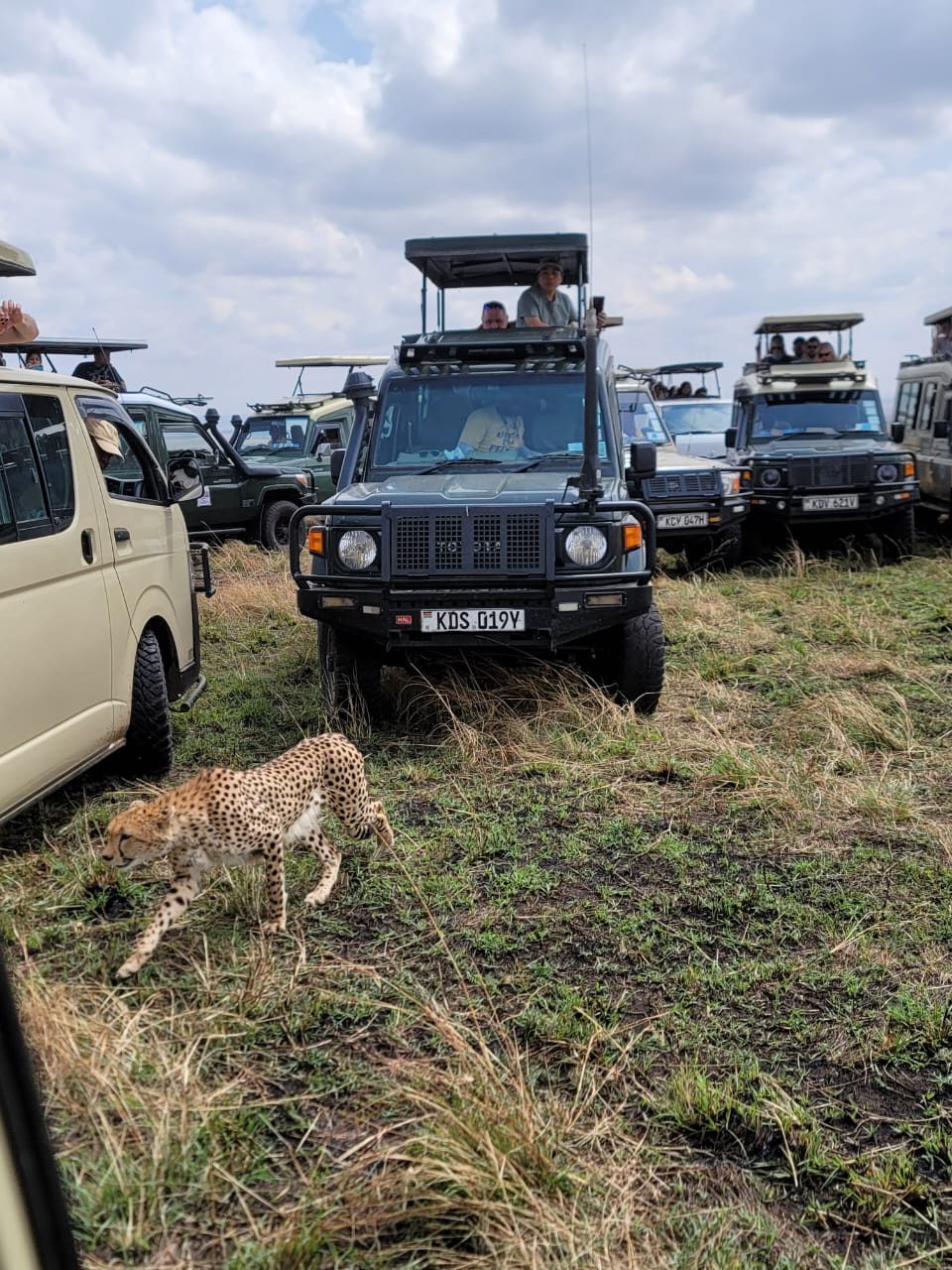
There’s a moment that happens on almost every first safari, usually around the second or third day. The vehicle stops. Nobody speaks. A guide points quietly toward a tree line, and there they are — a pride of lions, or a herd of elephants moving unhurried across the grass, or a leopard’s tail hanging from a branch fifty metres away.
It’s the moment people fly thousands of kilometres for. And it’s also the moment that never happens on cue.
That’s the strange, wonderful truth about a safari through Kenya and Tanzania: you can plan the flights, the lodges, and the routes down to the hour, but the wildlife keeps its own schedule. Our job at Camptrek Safaris is to build an itinerary with enough breathing room that when nature finally puts on its show, you’re not the group already back in the vehicle checking the time.
So when people ask us, “Is 10 days enough for Kenya and Tanzania?” — the honest answer is: yes, but only just. And once you understand why, you’ll probably want to add a few more days anyway.
Two Countries, One Ecosystem
Here’s something that surprises a lot of first-time travellers: the border between Kenya and Tanzania is a line on a map, nothing more. The lions, elephants, and wildebeest that call the Masai Mara home wander freely into the Serengeti and back again, the same way their ancestors have for thousands of years. Only people drew that line. Nature never did.
That’s exactly why combining the two countries makes so much sense. Kenya gives you the Masai Mara’s legendary predator sightings, the elephants of Amboseli framed against snow-capped Kilimanjaro, and the pink-fringed shores of Lake Nakuru. Cross into Tanzania and the scale changes entirely — the Serengeti’s plains run to the horizon in every direction, Ngorongoro Crater packs an astonishing density of wildlife into one collapsed volcano, and Tarangire’s ancient baobabs shelter some of the largest elephant herds left on the continent.
Neither country tells the whole story alone. Together, they do.
For routes, border crossings and timing, see how a combined Kenya and Tanzania safari works.
Why 10 Days Looks Perfect on Paper — and Where It Falls Short
Search for a Kenya and Tanzania itinerary and you’ll find dozens of 10-day routes, all promising the Mara, the Serengeti, Ngorongoro, and Amboseli in one tidy package. And to be fair, a well-run 10-day safari genuinely can deliver an unforgettable trip. You’ll see the Big Five. You’ll come home with photos you’ll treasure forever.
But look closer at how those ten days actually get spent, and the cracks start to show.
Every world-class park on that list deserves more than a single night. Give the Masai Mara only one night and you get one afternoon game drive and one rushed morning before you’re packing again. Blink and Ngorongoro is behind you before you’ve even adjusted to how different it feels from the plains you just left. Cut the Serengeti short, and you never get past the roads nearest your camp — you miss the parts of the park where the crowds thin out and the real magic happens.
The cost of a short safari isn’t measured in wildlife you miss. It’s measured in time — time to let a sighting unfold instead of rushing to the next one, time to recover from long transfer days, time to simply sit on your deck and watch elephants wander past camp at sunset. Add up the driving, the border crossing, the check-ins and check-outs, and a 10-day trip can start to feel less like a safari and more like a very scenic relay race.
So How Long Do You Actually Need?
Based on years of guiding guests across both countries, our recommendations are pretty consistent:
| Destination | Recommended Stay | Why |
|---|---|---|
| Masai Mara | 3 nights | Multiple game drives, sunrise and sunset light, room for a balloon safari |
| Serengeti | 3 nights | The park is nearly ten times the size of the Mara — one night barely scratches the surface |
| Ngorongoro Crater | 2 nights | A relaxed descent, time for Olduvai Gorge, no rushed exit |
| Amboseli | 2 nights | Kilimanjaro often hides in cloud until afternoon — extra time means better odds of that iconic view |
| Tarangire | 1 night | Quieter, less crowded, and worth the detour for the elephants and baobabs alone |
| Lake Nakuru or Naivasha | 1 night | A gentle, scenic transition between the bigger parks |
Add those up and you’re already at 12 nights before international flights and arrival logistics. That’s not us padding an itinerary for the sake of it — it’s simply how much time this landscape actually asks for. Which is why, when guests have the flexibility, we almost always steer them toward a 13 to 14-day journey instead of the standard 10.
It’s not a huge difference on the calendar. But once you’re standing on the crater rim watching mist drift through the forest, or sitting quietly as a leopard finally climbs down from her tree, those extra three or four days are the ones that turn “we saw a lot” into “we experienced it.”
What a 13-Day Kenya & Tanzania Safari Actually Looks Like
Every safari tells its own story, but here’s the shape ours usually takes.
Day 1 — Nairobi. Long-haul flights are exhausting, so rather than heading straight into the bush, we start with a night in Nairobi. It gives you time to recover, and if you’re up for it, an afternoon at the Giraffe Centre or the David Sheldrick Wildlife Trust is a gentle, genuinely moving way to ease into Africa.
Days 2–4 — Masai Mara. Three nights here changes everything. Your first afternoon drive is usually enough to spot elephants, giraffes, and — if you’re lucky — a cheetah scanning the plains from beneath an acacia. But it’s the full days that follow where the Mara really opens up: sunrise drives when predators are still active from the night before, a possible hot air balloon flight over the plains at dawn, and long, unhurried afternoons where your guide can simply follow whatever the day offers instead of racing the clock.
Day 5 — Crossing into Tanzania. The drive from the Mara to the Serengeti takes you through the Isebania border post — and it’s genuinely part of the adventure, not just a logistics day. Watch for wildlife right up until you cross; the animals, after all, never noticed the border was there.
Days 6–8 — Serengeti. This is where the scale of Africa really lands. Serengeti National Park itself covers approximately 14,750 square kilometres, and the wider Serengeti ecosystem — shared with the Mara you just left — extends even further beyond the park boundary. Three nights lets you get past the main tracks into quieter regions where sightings feel more personal. Depending on the season, this stretch of the trip might include the Great Migration itself — hundreds of thousands of wildebeest and zebra moving across plains that seem to have no end.
Days 9–10 — Ngorongoro Crater. Two nights on the rim, with an early descent into the crater floor. Within a few hours here you can realistically encounter lion, elephant, buffalo, hippo, and — with real luck — the critically endangered black rhino, all inside one collapsed volcanic caldera roughly the size of a small city.
Day 11 — Tarangire. Often the trip’s quiet surprise. Fewer vehicles, ancient baobab trees over a thousand years old, and elephant herds that can number in the hundreds during the dry season.
Day 12 — Transfer to Amboseli. A scenic drive back across the Namanga border returns you to Kenya, arriving into Amboseli in the afternoon in time for your first game drive against Kilimanjaro’s silhouette.
Day 13 — Amboseli & departure. One last sunrise game drive — often the best chance of the whole trip to see the mountain clear of cloud — before transferring to Nairobi for your onward flight (flying this final leg instead of driving saves several hours if your schedule is tight).
It’s a route built around one simple idea: give each ecosystem enough time to reveal itself, rather than rushing through a checklist of famous names.
Kenya or Tanzania? You Really Don’t Have to Choose
We get asked this constantly, and the truth is it’s a bit like being asked to choose between sunrise and sunset. Kenya gives you accessible, diverse landscapes within relatively short driving distances — the Mara’s predators, Amboseli’s elephants, the Rift Valley’s lakes, and rich Maasai cultural encounters. Tanzania trades that accessibility for scale — the Serengeti’s endless plains, Ngorongoro’s astonishing wildlife density, and a deeper sense of untouched wilderness.
Travellers who combine both don’t just see twice as much wildlife. They see the same ecosystem from two completely different angles — which, if you think about it, is really the whole point of coming all this way.

Built for the Way You Actually Want to Travel
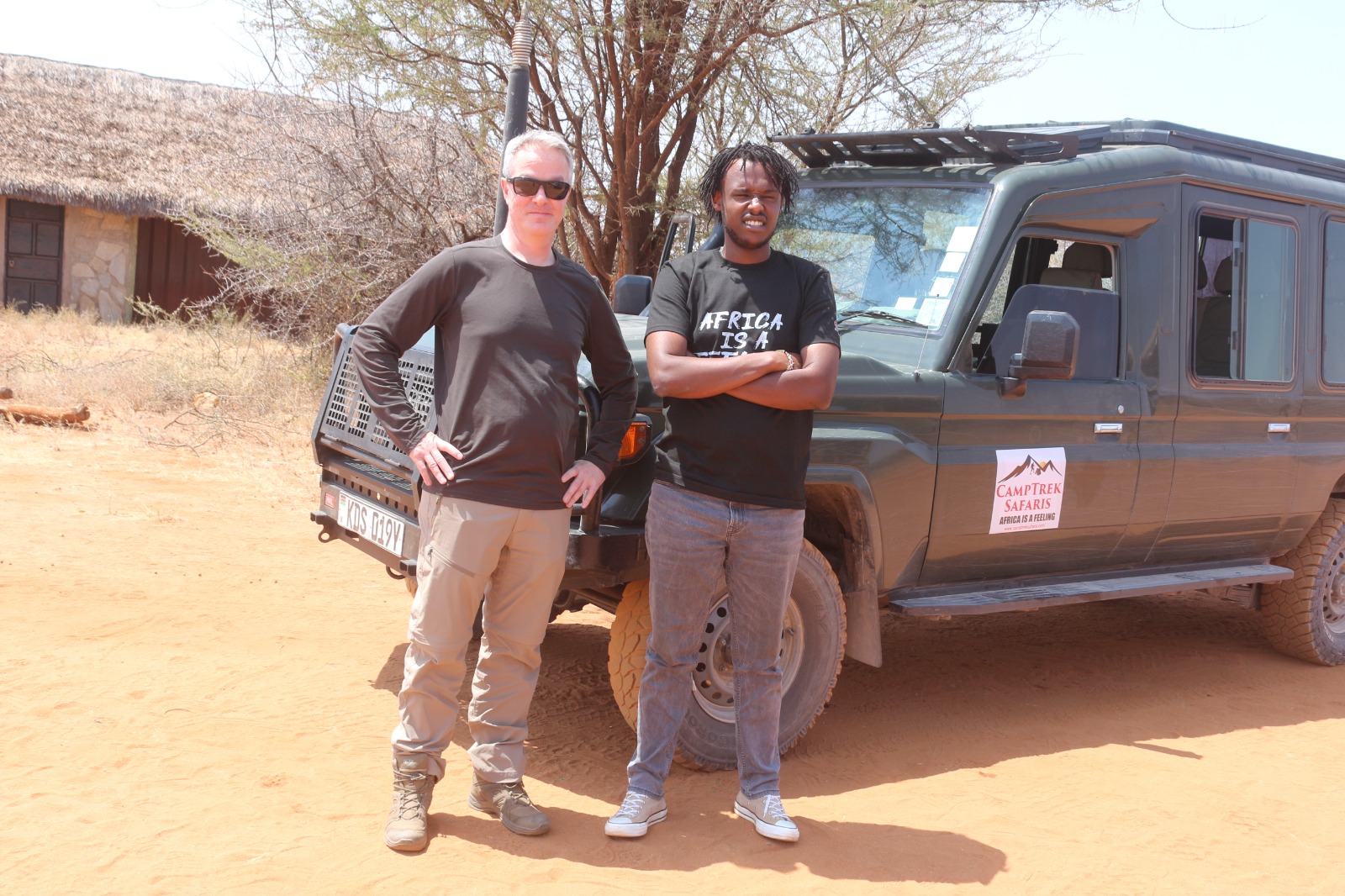
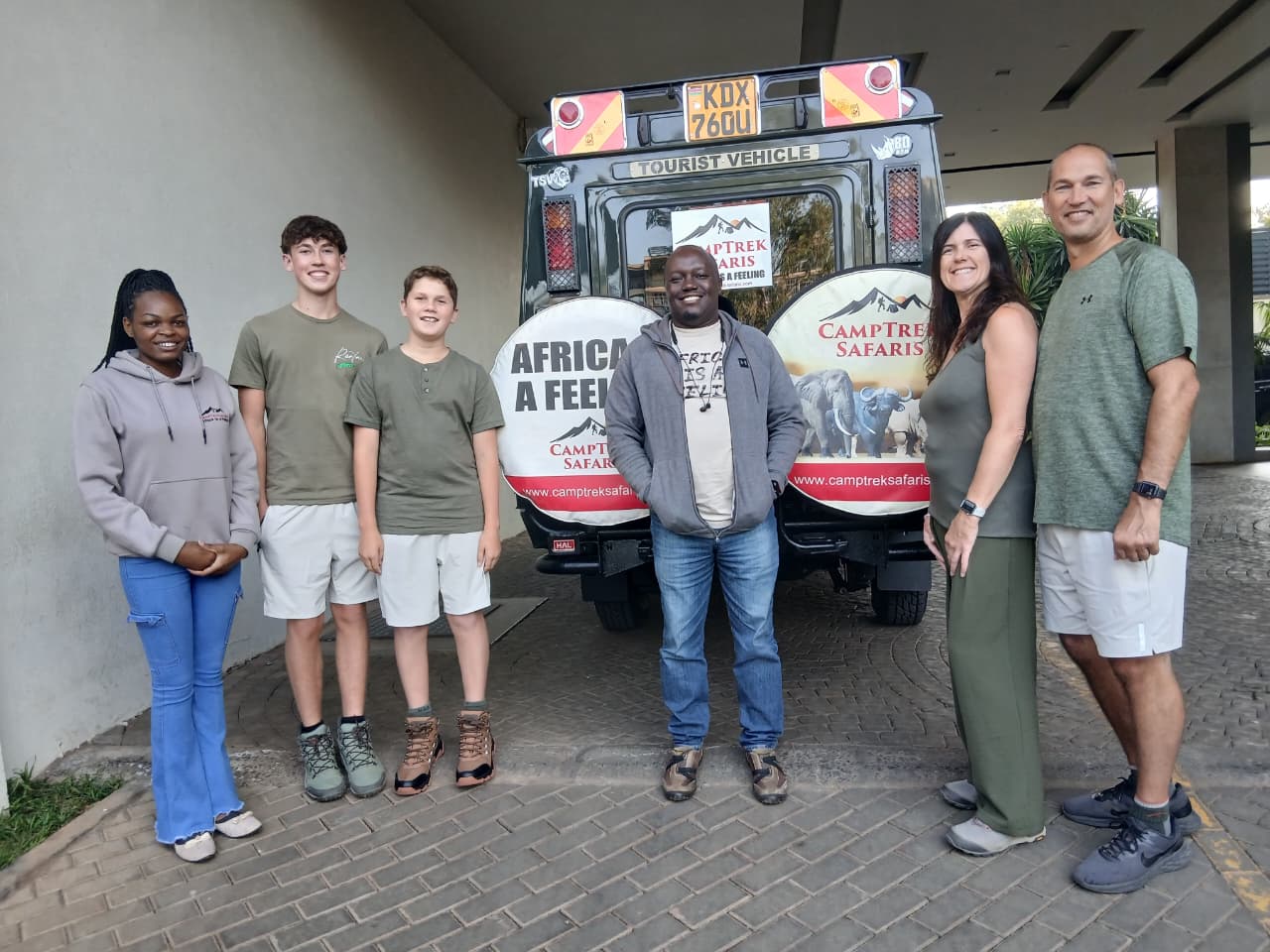
Whether you’ve got 10 days to work with or the full two weeks, the destinations you choose and the pace you set should match how you actually want to experience Africa — not just how many parks fit on a map. As a Kenya and Tanzania-based operator, we run private vehicles with experienced local driver-guides and build every itinerary around the way you actually want to travel — not a fixed template. That means enough time in each destination to let the day unfold naturally, comfortable luxury lodges and tented camps chosen for their location as much as their comfort, and a route that keeps driving days to a minimum so more of your trip is spent actually out there, watching.
Many travellers also choose to end their safari with a few days unwinding on the beach — if that sounds like you, our Serengeti and Zanzibar packages combine both seamlessly.
If this is the trip you’ve been picturing for years, we’d love to help you plan it properly. Take a look at our full range of Kenya and Tanzania safari tours — from focused 10-day highlights journeys to our signature 13 to 14-day itineraries — and let’s talk about the version that’s right for you.
Frequently Asked Questions
- Can I do a Kenya and Tanzania safari in 10 days?
- Yes. A well-planned 10-day route can cover the Masai Mara, Serengeti, and Ngorongoro Crater with genuine Big Five sightings. It’s a faster pace with more travel days relative to time in each park, but it works well for travellers with limited time off.
- Is Kenya or Tanzania better for safari?
- Neither is objectively “better” — they offer different experiences. Kenya is known for the Masai Mara’s predator density, Amboseli’s elephant-and-Kilimanjaro views, and shorter distances between parks. Tanzania offers the Serengeti’s sheer scale, Ngorongoro’s wildlife concentration, and a quieter, more remote feel. Combining both gives you the fullest picture of the shared ecosystem.
- What month is best for a Kenya and Tanzania safari?
- The long dry season (June to mid-October) is generally considered prime time, with sparse vegetation making wildlife easier to spot and the Mara River crossings typically occurring between July and September. The shorter dry season (December to February) is warmer and greener, and overlaps with the Serengeti’s calving season in the south — a great time for predator action and newborn wildlife.
- How much does a 10-day Kenya and Tanzania safari cost?
- Costs vary significantly depending on lodge category, season, and whether you travel privately or in a group. Park fees, accommodation, and border logistics all factor in, so the most accurate way to budget is a tailored quote based on your travel dates and preferred comfort level — see our safari cost guide for a full breakdown, or get in touch directly.
- Is a private safari better than a group safari?
- A private safari gives you a dedicated vehicle and guide, flexible timing, and the ability to linger at a sighting for as long as you like — which matters more than people expect once you’re actually in the field. Group safaris can be a more budget-friendly way to experience the same parks if you’re comfortable sharing a vehicle and a fixed schedule.
Because in the end, nobody remembers a safari by how many parks they ticked off. They remember it by the moments that made them go quiet — the lion roaring somewhere out in the dark, the mountain finally clearing of cloud, the leopard that took its time coming down from the tree.
Give the trip enough room to hold those moments. Africa will take care of the rest.
Ready to plan your Kenya & Tanzania safari?
Get in Touch