
Africa Is Not One Destination
When people dream of Africa, they often imagine a single place.
A lone elephant walking beneath an acacia tree.
A lion roaring across endless grasslands.
A snow-capped mountain rising above golden plains.
A herd of wildebeest stretching beyond the horizon.
But Africa is not one destination.
It is a continent of astonishing scale and diversity—covering more than 30 million square kilometres, making it the world’s second-largest continent. It is home to 54 internationally recognised countries, thousands of cultures, more than 2,000 languages, and landscapes so diverse that they range from the world’s largest hot desert to equatorial rainforests, alpine mountains, tropical coastlines, wetlands, volcanoes, and some of the richest wildlife ecosystems ever recorded.
To say, “I’m going to Africa,” is a little like saying, “I’m going to Europe.”
Would that mean the fjords of Norway, the vineyards of France, the Alps of Switzerland, or the Mediterranean coast of Greece?
Each offers a completely different experience.
Africa is no different.
Every region has its own personality, its own wildlife, its own history, and its own way of welcoming visitors.
Some travellers are drawn to the deserts of Namibia.
Others dream of tracking gorillas through mist-covered forests in Rwanda and Uganda.
Some prefer the sophisticated wine estates and cosmopolitan cities of South Africa.
Others seek the untamed waterways of Botswana’s Okavango Delta.
Each destination tells its own remarkable story.
Yet, when travellers from around the world picture the classic African safari, the image that comes to mind almost always belongs to East Africa.
It is here that vast elephant herds move beneath the shadow of Mount Kilimanjaro.
It is here that more than a million wildebeest thunder across open plains during the Great Migration.
It is here that lions, leopards, cheetahs, giraffes, zebras, and elephants still roam landscapes that appear almost unchanged from centuries ago.
And it is here that the very word “safari” was born.
Africa’s Great Safari Regions
Although wildlife exists across much of the continent, Africa’s premier safari destinations are generally divided into four distinct regions, each offering something unique.
East Africa
Countries: Kenya, Tanzania, Uganda, Rwanda
East Africa is widely regarded as the birthplace of the modern safari. Its open savannahs, spectacular wildlife migrations, volcanic landscapes, snow-capped mountains, and vibrant cultures have inspired explorers, filmmakers, photographers, conservationists, and travellers for generations.
It is also one of the few places on Earth where visitors can experience such extraordinary ecological diversity within a single journey—from the elephant-rich plains of Amboseli to the endless Serengeti, from flamingo-filled Rift Valley lakes to the white beaches of the Indian Ocean.
Southern Africa
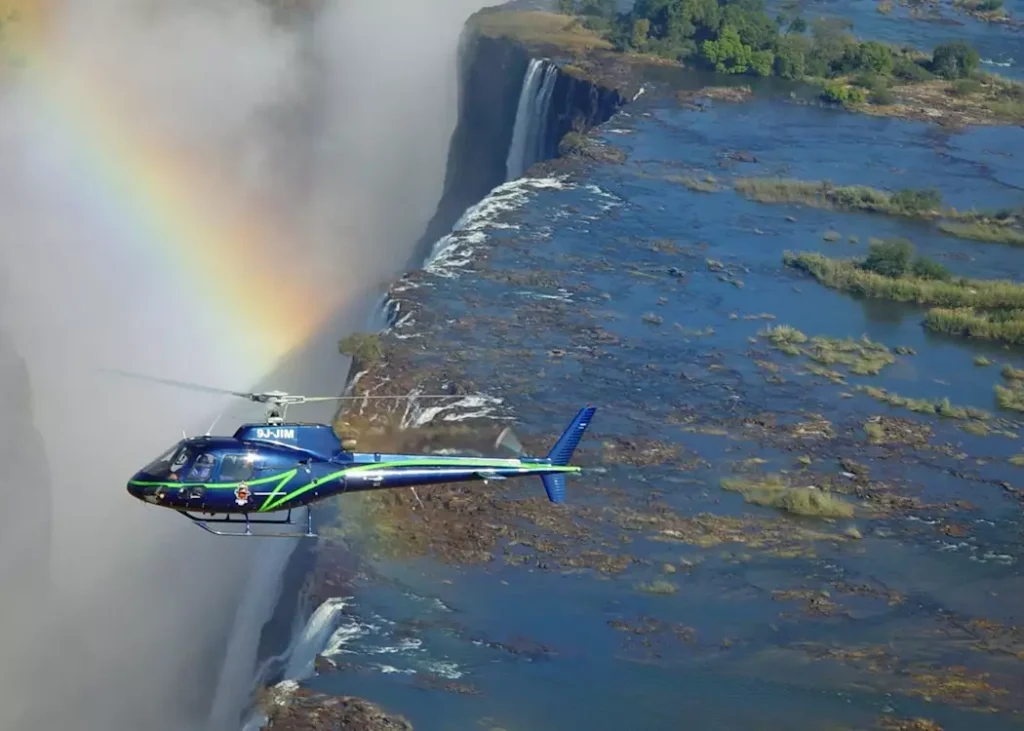
Countries: Botswana, South Africa, Namibia, Zambia, Zimbabwe
Southern Africa offers a different style of safari.
Many destinations focus on exclusive private concessions, luxury lodges, walking safaris, river-based wildlife viewing, and remarkable desert landscapes.
The Okavango Delta, Etosha National Park, Kruger National Park, Victoria Falls, and the Namib Desert are among the continent’s most celebrated attractions.
Wildlife viewing is exceptional, particularly for travellers seeking intimate and highly exclusive safari experiences.
Central Africa
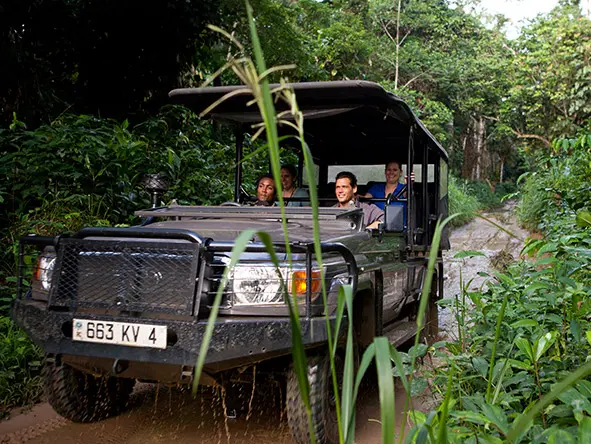
Countries: Democratic Republic of the Congo, Republic of the Congo, Central African Republic
Central Africa is dominated by dense tropical rainforests.
Rather than open grasslands, visitors encounter ancient forests where endangered western lowland gorillas, forest elephants, chimpanzees, and countless endemic species survive beneath towering rainforest canopies.
These are among Africa’s most adventurous and least-explored destinations.
West Africa
Countries: Ghana, Senegal, Benin, Côte d’Ivoire and others
West Africa is better known for its rich history, cultural heritage, Atlantic coastline, and historic trading centres than for traditional safari tourism.
While several countries protect important wildlife reserves, the region attracts many visitors because of its music, architecture, festivals, and powerful historical significance.
Every Region Is Extraordinary
One of the greatest misconceptions in travel is that there is a single “best” African destination.
There isn’t.
Every region offers experiences that cannot be found elsewhere.
Southern Africa delivers spectacular waterways, desert wilderness, and world-renowned walking safaris.
Central Africa offers intimate encounters with great apes in ancient rainforests.
West Africa immerses travellers in centuries of culture and history.
East Africa offers something uniquely different.
It combines extraordinary wildlife density, vast open landscapes, living indigenous cultures, world-famous conservation areas, volcanic highlands, tropical coastlines, and one of the greatest wildlife spectacles on Earth—all within a connected safari circuit.
Rather than competing with the rest of Africa, East Africa complements it.
But if your dream is the safari you have imagined since childhood—the endless savannah, the silhouette of an acacia tree at sunset, elephants walking beneath Mount Kilimanjaro, lions resting on open plains, and wildebeest stretching to the horizon—your imagination has almost certainly been shaped by East Africa.
There is a reason for that.
And it begins with two neighbouring countries that transformed wildlife tourism forever.
Kenya and Tanzania.
In the next chapter, we travel back in time to discover how these two nations gave the world not only the modern safari but also a new way of seeing nature itself.
Where the Safari Was Born — Why Kenya and Tanzania Became the Heart of Wildlife Tourism
Long before luxury safari lodges, four-wheel-drive vehicles, professional wildlife guides, and breathtaking documentaries introduced millions of people to Africa’s wilderness, East Africa was already a place of movement.
For thousands of years, people journeyed across these landscapes following trade routes, seasonal rains, grazing lands, and the rhythms of nature. Along the coast, merchants from Arabia, Persia, India, and later Europe exchanged spices, ivory, textiles, and ideas with the Swahili people, creating one of the world’s oldest and richest trading cultures.
It was from this cultural exchange that the world inherited one of its most beautiful travel words.
Safari.
Derived from the Swahili word “safari,” meaning “journey,” the term itself comes from the Arabic word safar, meaning to travel. Over time, the Swahili language made it uniquely East African. Long before it described wildlife adventures, a safari simply meant setting out on a journey.
Today, millions of travellers use the word without realising its origins lie in the villages, trading ports, and landscapes of Kenya and Tanzania.
A safari was never just about reaching a destination.
It was always about the journey itself.
A Landscape Unlike Anywhere Else on Earth
To understand why Kenya and Tanzania became synonymous with safaris, one must first understand the extraordinary landscapes they share.
Together, these two neighbouring countries form one of the largest connected wildlife ecosystems on the planet.
Animals do not recognise international borders.
Elephants move between Amboseli and the Kilimanjaro ecosystem.
Wildebeest cross freely between the Serengeti and Maasai Mara.
Birds migrate from Rift Valley lakes to coastal wetlands.
Predators follow prey across ancient migration routes that existed thousands of years before modern maps were drawn.
This interconnected wilderness creates something incredibly rare:
A living ecosystem that functions almost exactly as nature intended.
Few places on Earth still possess landscapes of this scale.
The World’s Greatest Natural Theatre
Imagine standing on an open plain where your eyes meet the horizon in every direction.
No fences.
No skyscrapers.
No highways.
Only grasslands stretching towards distant hills.
This is the East African savannah.
Unlike dense forests where wildlife often remains hidden, the open plains of Kenya and Tanzania allow visitors to observe nature unfolding before them.
Lions stalk zebras across golden grass.
Cheetahs accelerate across open country at astonishing speeds.
Elephants gather around wetlands beneath Mount Kilimanjaro.
Giraffes browse umbrella-shaped acacia trees.
Hyenas patrol the edges of predator territories.
Thousands of wildebeest move together as one living river.
These landscapes became the perfect natural stage for wildlife photography, filmmaking, and scientific research.
It is no coincidence that many of the world’s most iconic wildlife documentaries were filmed here.
The scenery allows stories to unfold in full view.
Why the World Fell in Love with East Africa
When photography became more accessible during the twentieth century, explorers, conservationists, and filmmakers began introducing East Africa to audiences across Europe, North America, Asia, and Australia.
The images were unforgettable.
An elephant silhouetted against Mount Kilimanjaro.
A lion watching the sunrise over the Maasai Mara.
Thousands of flamingos colouring Rift Valley lakes pink.
The endless Serengeti disappearing into the horizon.
For many people, these photographs became their first introduction to wild Africa.
Later, television transformed those photographs into moving stories.
Wildlife documentaries followed elephants through droughts, lion prides raising cubs, leopards hunting beneath moonlight, and wildebeest risking crocodile-filled rivers during migration.
People were no longer watching animals.
They were following families.
Learning personalities.
Celebrating births.
Mourning losses.
This emotional connection changed wildlife tourism forever.
Visitors no longer travelled simply to tick animals off a checklist.
They came to experience stories.
Science Changed the Way We See Wildlife
Kenya and Tanzania became more than tourist destinations.
They became outdoor laboratories.
Scientists from around the world established long-term research projects that revolutionised our understanding of animal behaviour.
In Amboseli, researchers followed individual elephant families across generations.
In the Serengeti, scientists studied predator-prey relationships that continue to influence wildlife conservation globally.
Researchers monitored migration patterns, elephant communication, lion social behaviour, cheetah ecology, giraffe populations, and countless other species.
These studies transformed conservation from guesswork into science.
They also gave individual animals names instead of numbers.
Echo.
Craig.
Dida.
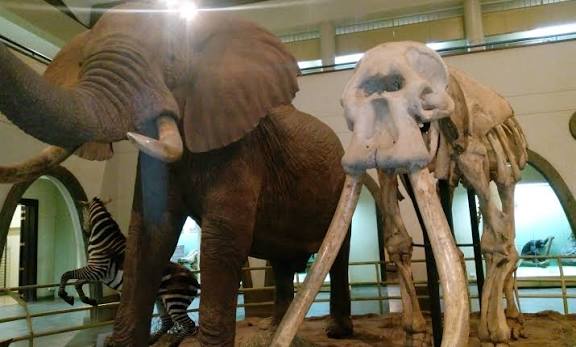
Many of the elephants featured in this newsletter became internationally recognised because researchers documented their lives over decades.
Visitors realised something extraordinary.
Every elephant had a personality.
Every lion pride had its own history.
Every migration told a different story.
A safari became more than sightseeing.
It became meeting the residents of one of Earth’s last great wildernesses.
More Than Wildlife
What truly separates Kenya and Tanzania from many safari destinations is that wildlife exists alongside living cultures that have shared these landscapes for centuries.
The Maasai continue to herd cattle across the same plains where wildebeest migrate.
The Samburu maintain traditions shaped by generations of coexistence with elephants.
Swahili culture flourishes along the Indian Ocean coast, blending African, Arab, Persian, and Indian influences into one of the continent’s richest cultural heritages.
Visitors do not simply observe wildlife.
They discover music, language, traditional knowledge, cuisine, craftsmanship, and stories that have become part of East Africa’s identity.
Few destinations offer such a seamless combination of natural and cultural heritage.
Why Kenya and Tanzania Became the World’s Safari Icons
Many countries have extraordinary wildlife.
Many have beautiful landscapes.
Many offer luxury lodges and exceptional guides.
But very few combine all of these with:
- Vast interconnected ecosystems.
- One of the world’s highest concentrations of iconic wildlife.
- The Great Migration.
- The birthplace of the word safari.
- Rich indigenous cultures living alongside wildlife.
- Decades of globally influential conservation research.
- Extraordinary geological diversity.
- Tropical coastlines only a short flight from the savannah.
- Year-round safari opportunities.
This combination is why Kenya and Tanzania became the destinations that shaped the global image of the African safari.
When people picture Africa, they often picture these landscapes—not because marketing told them to, but because generations of explorers, scientists, photographers, filmmakers, and travellers carried these stories home.
Yet one question remains.
If Kenya and Tanzania have become the symbols of the African safari, what makes them different from every other destination in East Africa?
To answer that, we must compare East Africa’s remarkable countries and discover why Kenya and Tanzania have become the region’s flagship safari destinations.
East Africa Compared — Why Kenya and Tanzania Lead the African Safari Experience
Every country in East Africa has something extraordinary to offer.
Some protect the world’s last remaining mountain gorillas.
Others preserve ancient rainforests, volcanic mountains, pristine beaches, or remarkable birdlife.
Together, Kenya, Tanzania, Uganda, and Rwanda form one of the richest tourism regions on Earth.
Yet despite this remarkable diversity, one fact has remained consistent for more than half a century:
Kenya and Tanzania continue to attract the majority of East Africa’s safari travellers.
This is not because Uganda or Rwanda are less beautiful.
Nor is it because one country is “better” than another.
Rather, each destination has developed its own unique identity.
Uganda is celebrated as the “Pearl of Africa,” renowned for gorilla trekking, chimpanzees, lush forests, and the source of the Nile.
Rwanda has become synonymous with luxury gorilla trekking, conservation success, and pristine mountain landscapes.
Kenya and Tanzania, meanwhile, have become the global symbols of the classic African safari.
Together, they offer something no other neighbouring countries can replicate:
A continuous wildlife ecosystem spanning thousands of square kilometres, where millions of animals move freely across international borders and some of the world’s most iconic landscapes exist side by side
Four Countries. Four Different Experiences.
Imagine asking four artists to paint Africa.
Each would create a masterpiece.
Each would use different colours.
Each would tell a different story.
East Africa works the same way.
Every country reveals a different face of the continent.
🇰🇪 Kenya — Where the Safari Was Born
Kenya introduced much of the world to the African safari.
Here, travellers can experience:
• The legendary Maasai Mara National Reserve
• Amboseli’s famous elephant families beneath Mount Kilimanjaro
• The endangered black and white rhinos of Ol Pejeta Conservancy
• The flamingo lakes of the Great Rift Valley
• Tsavo’s famous red elephants
• Ancient Swahili culture along the Indian Ocean coast
• World-class conservancies combining luxury tourism with conservation
Kenya is particularly famous for balancing exceptional wildlife with accessibility.
Within a relatively short distance, visitors can move from bustling Nairobi to vast wilderness, snow-capped mountains, freshwater lakes, tropical beaches, and remote northern deserts.
Few countries offer such variety in one itinerary.
🇹🇿 Tanzania — Africa’s Greatest Wilderness
If Kenya introduces travellers to safari, Tanzania immerses them in wilderness.
Tanzania protects some of the largest remaining wildlife landscapes on Earth.
Its highlights include:
• Serengeti National Park
• Ngorongoro Conservation Area
• Tarangire National Park
• Lake Manyara National Park
• Ruaha National Park
• Nyerere National Park
• Mount Kilimanjaro
• Zanzibar’s historic coast
The sheer size of Tanzania’s protected areas creates an overwhelming sense of space.
Many visitors describe the Serengeti as one of the last places on Earth where nature still feels limitless.
Wildlife is not simply abundant.
It is part of an ecosystem operating on an almost unimaginable scale.
🇺🇬 Uganda — The Pearl of Africa
Uganda tells a different story.
Instead of endless savannahs, travellers often find:
Mountain gorillas hidden within mist-covered forests.
Chimpanzees swinging through ancient woodland.
Tree-climbing lions in Queen Elizabeth National Park.
The powerful Murchison Falls.
The source of the River Nile.
Lush green landscapes unlike anywhere else in East Africa.
Uganda is often chosen by travellers seeking adventure, primate experiences, birdwatching, and rich biodiversity.
Its strength lies not in open plains, but in forests, rivers, mountains, and remarkable ecological diversity.
🇷🇼 Rwanda — The Land of a Thousand Hills
Rwanda has transformed itself into one of Africa’s most remarkable conservation success stories.
Its tourism focuses on:
Luxury gorilla trekking.
Volcanoes National Park.
Golden monkeys.
Nyungwe Forest.
Lake Kivu.
Exceptional conservation management.
Immaculate national parks.
Rwanda offers intimacy rather than scale.
Many travellers choose Rwanda for its exclusive experiences, outstanding hospitality, and inspiring conservation achievements.
So Why Do Most Safari Travellers Choose Kenya and Tanzania?
The answer becomes clear when looking beyond individual attractions.
Kenya and Tanzania do not simply have famous parks.
They possess an extraordinary combination of experiences that very few places on Earth can match.
1. The Largest Connected Safari Ecosystem
Animals ignore political boundaries.
The famous wildebeest migration moves naturally between Tanzania’s Serengeti and Kenya’s Maasai Mara.
Elephants travel between Amboseli and northern Tanzania.
Predators follow prey across ancient migration routes.
Visitors experience one continuous wilderness rather than isolated parks.
2. The Greatest Diversity of Classic Safari Landscapes
Within one journey, travellers can experience:
Open savannahs.
Volcanic craters.
Snow-capped mountains.
Freshwater lakes.
Acacia woodland.
River forests.
Swamps.
Semi-arid plains.
Ancient baobab forests.
Coral reefs.
White-sand beaches.
Very few destinations worldwide combine this many ecosystems within a single safari holiday.
3. The Greatest Wildlife Spectacle on Earth
Every year, approximately two million wildebeest, zebras, and gazelles move through the Serengeti-Mara ecosystem in search of fresh grazing.
This is the Great Migration.
It is the largest overland mammal migration on Earth.
No other safari destination offers anything comparable in scale
4. Exceptional Wildlife Density
Travellers often ask:
“Will I actually see animals?”
In Kenya and Tanzania, the answer is usually yes.
Healthy populations of:
Elephants.
Lions.
Leopards.
Buffalo.
Rhinos.
Cheetahs.
Hyenas.
Hippos.
Giraffes.
Zebras.
Crocodiles.
Thousands of antelope.
Hundreds of bird species.
This density dramatically increases wildlife viewing opportunities.
5. World-Leading Conservation Stories
Many destinations protect wildlife.
Kenya and Tanzania tell the stories behind it.
Visitors learn about elephants such as:
Echo.
Craig.
Dida.
Ahmed.
Long’uro.
Satao.
These are not anonymous animals.
They became ambassadors for elephant conservation, helping the world understand that every elephant has its own personality, family, and history.
6. Living Cultures Beside Wildlife
Few safari destinations allow visitors to experience wildlife and vibrant indigenous cultures so naturally.
The Maasai.
The Samburu.
The Hadzabe.
The Datoga.
The Chagga.
The Swahili.
These communities have lived alongside wildlife for generations, preserving languages, traditions, and ecological knowledge that continue to shape conservation today.
Visitors leave with more than wildlife photographs.
They leave with a deeper understanding of people as well.
7. One Journey, Endless Possibilities
Kenya and Tanzania offer remarkable flexibility.
A single itinerary can include:
Luxury safari.
Hot-air balloon safari.
Walking safari.
Cultural experiences.
Photography.
Birdwatching.
Beach relaxation.
Mountain climbing.
Conservation visits.
Private conservancies.
Family safaris.
Senior-friendly travel.
Honeymoon experiences.
Few destinations allow travellers to combine so many experiences without long international transfers.
Kenya or Tanzania?
This is one of the most common questions travellers ask.
The truth is…
It is the wrong question.
The real question is:
Why choose only one?
Nature never divided these ecosystems.
The Great Migration ignores borders.
Elephants cross freely between countries.
The Maasai community lives on both sides of the frontier.
The landscapes connect seamlessly.
The greatest safari experience is not Kenya or Tanzania.
It is Kenya and Tanzania together.
Together they create one continuous story of wildlife, landscapes, cultures, and conservation unlike anywhere else on Earth.
That is why so many experienced travellers choose to combine both countries into one unforgettable journey.
But magnificent wildlife alone does not explain East Africa’s global reputation.
The real magic lies in something even deeper.
The astonishing diversity of life itself.
From snow-covered mountains to coral reefs…
From giant baobabs to ancient acacia forests…
From tiny sunbirds to towering elephants…
East Africa is one of the most biologically diverse regions on our planet.
And that is where our journey continues.
Kenya and Tanzania are also famous for their exceptional concentration of wildlife.
In a single safari, travelers often see:
Elephants
Lions
Leopards
Buffalo
Rhinos
Cheetahs
Hippos
Crocodiles
Giraffes
Zebras
Hundreds of bird species
For first-time safari visitors, this dramatically increases the chances of seeing the iconic animals they have dreamed about.
Social & Cultural Reasons
Another major advantage is the cultural richness of the region.
Travelers can meet communities such as the:Southern Africa offers exceptional safaris, particularly in Botswana, Namibia, South Africa, Zambia, and Zimbabwe. However, many travelers choose East Africa because they are looking for:
| Feature | East Africa |
| Great Migration | ★★★★★ |
| Open Savannah Landscapes | ★★★★★ |
| Mount Kilimanjaro | ★★★★★ |
| Ngorongoro Crater | ★★★★★ |
| Maasai & Samburu Culture | ★★★★★ |
| Gorilla Trekking Extensions | ★★★★★ |
| Safari + Indian Ocean Beaches | ★★★★★ |
| Year-Round Wildlife Viewing | ★★★★★ |
Southern Africa is often preferred for walking safaris, self-drive holidays, and highly exclusive private concessions. East Africa is often chosen for the classic African safari dream: vast plains, massive wildlife migrations, iconic mountains, and rich indigenous cultures.
Nature’s Masterpiece — The Extraordinary Flora and Fauna of Kenya and Tanzania
What truly sets Kenya and Tanzania apart is not just the number of animals.
It is the astonishing variety of ecosystems found within a single region.
Few places on Earth contain such a combination of mountains, savannahs, forests, lakes, wetlands, deserts, coral reefs, and tropical coastlines.
Flora: The Plants That Shape the Safari
Acacia Trees
Savannah icon
The umbrella-shaped acacia is one of the defining trees of East Africa. It provides food for giraffes, shade for wildlife, and the classic silhouette seen in countless safari photographs.
Baobab Trees
Tsavo
Tsavo National Parks are famous for ancient baobabs, some of which are hundreds of years old. Their massive trunks store water and support entire ecosystems.
Fever Trees
Amboseli
Near the wetlands of Amboseli National Park, yellow-green fever trees create some of the park’s most beautiful elephant landscapes.
Afro-Alpine Plants
High altitude
On the slopes of Mount Kilimanjaro and Mount Kenya, giant groundsels and other alpine plants survive in conditions that resemble another world.
Mangroves & Coral Reefs
Indian Ocean
Along the Kenyan and Tanzanian coasts, mangrove forests protect shorelines while coral reefs support an extraordinary diversity of marine life.
Fauna: Beyond the Big Five
Kenya and Tanzania are home to more than 430 mammal species and over 1,100 bird species.
While the Big Five remain famous, the region offers far more:
Elephants
Lions
Leopards
Cheetahs
African wild dogs
Servals
Caracals
Bat-eared foxes
Honey badgers
Pangolins
Flamingos
Whale sharks
The Elephant Kingdom
East Africa is particularly famous for its elephants.
Travelers can encounter the descendants of legendary elephants such as:
- Echo the Elephant — the matriarch who taught the world about elephant intelligence.
- Craig the Elephant — the gentle giant with legendary tusks.
- Dida the Elephant — the symbol of elephant motherhood.
- Long’uro — the survivor who adapted against the odds.
- Satao the Elephant — the giant who became a conservation symbol.
- Ahmed the Elephant — the elephant Kenya chose to protect.
One Region, Endless Experiences
In a single East African journey, a traveler can:
- Watch elephants in Amboseli.
- Witness the Great Migration in the Serengeti.
- Explore the Ngorongoro Crater.
- Photograph baobabs in Tsavo.
- Meet Maasai and Samburu communities.
- Relax on the beaches of Zanzibar or Diani.
- Add gorilla trekking in Rwanda or Uganda.
This combination of wildlife, landscapes, culture, education, and conservation is why Kenya and Tanzania continue to stand at the center of the African safari world.
Conclusion
Some places impress you. Others change the way you see the world.
East Africa is one of those rare places where every sunrise tells a different story, every elephant has a name, every landscape has shaped civilizations, and every journey becomes part of your own history.
Kenya and Tanzania are more than destinations.
They are the beating heart of the African safari.
Africa is a Feeling — Travel It Your Way.
anic craters to ancient baobab forests, and from elephant-rich wetlands to flamingo-filled lakes. Few regions on Earth offer such biological diversity within such a connected landscape.
The Flora: More Than Acacia Trees
Many visitors arrive expecting endless savannahs dotted with acacia trees. They leave discovering a botanical world far richer than imagined.
Amboseli’s Fever Trees
Near the wetlands of Amboseli grow beautiful yellow-green fever trees, specially adapted to waterlogged soils. These forests create some of the most iconic elephant photographs in Africa.
Tsavo’s Baobabs
In Tsavo, giant baobab trees dominate the landscape. Some are believed to be hundreds of years old, storing water within their massive trunks and surviving extreme drought.
The Afro-Alpine Plants of Kilimanjaro
High on Mount Kilimanjaro and Mount Kenya, giant groundsels and lobelias create landscapes that seem almost prehistoric.
Coastal Mangroves and Coral Reefs
Along the Indian Ocean coast, mangrove forests protect shorelines while coral reefs support colourful marine life, sea turtles, and countless fish species.
The Fauna: A Wildlife Collection Unlike Any Other
Kenya and Tanzania are home to more than 430 mammal species and over 1,100 bird species.
Beyond the famous Big Five, travellers may encounter:
African wild dogs
Servals
Caracals
Aardwolves
Pangolins
Honey badgers
Bat-eared foxes
African civets
Whale sharks
Sea turtles
Colobus monkeys
Flamingos
The Elephant Kingdom
Perhaps nowhere is East Africa’s uniqueness more visible than in its elephants.
Amboseli’s elephants are among the most studied wild elephant populations in the world. Tsavo protects famous red elephants stained by the park’s iron-rich soil. Northern Kenya tells the stories of Ahmed, the King of Marsabit, and Long’uro, the elephant who learned to live without a trunk.
These are not anonymous animals. They are individuals with names, histories, and legacies.
The Great Migration
Every year, approximately 1.5 to 2 million wildebeest, accompanied by hundreds of thousands of zebras and gazelles, move through the Serengeti–Mara ecosystem.
This is the largest overland mammal migration on Earth.
For many travellers, witnessing a river crossing—where thousands of animals plunge into crocodile-filled waters—is the moment they understand why East Africa occupies such a special place in global wildlife tourism.
Nature as a Classroom
East Africa also offers something many destinations cannot: education through experience.
A safari becomes a lesson in:
- Ecology
- Conservation
- Climate change
- Animal behaviour
- Geology
- Bird migration
- Predator-prey relationships
- Indigenous environmental knowledge
Children and adults alike often leave with a deeper understanding of how interconnected life on Earth truly is.
Why Travellers Choose East Africa — And Why Kenya and Tanzania Remain Unmatched
After comparing destinations, landscapes, wildlife, culture, and conservation, one question remains:
Why do so many travellers ultimately choose Kenya and Tanzania?
The answer is not a single attraction.
It is the combination of experiences that can be found nowhere else in the world.
Why East Africa Over Southern Africa?
| East Africa | Southern Africa |
| Great Migration | Not available |
| Maasai and Samburu cultures | Different cultural traditions |
| Mount Kilimanjaro | No equivalent |
| Ngorongoro Crater | No equivalent |
| Classic open savannah scenery | More varied bush and woodland |
| Gorilla trekking extensions nearby | Not available |
| Indian Ocean beach extensions | Different coastal experience |
Southern Africa excels in exclusive private concessions, walking safaris, desert landscapes, and self-drive travel.
East Africa excels in scale, migration, iconic scenery, cultural immersion, and the classic safari experience most travellers have imagined since childhood.
The Social and Cultural Advantage
One of East Africa’s greatest strengths is the relationship between people and wildlife.
In many parts of Kenya and Tanzania, communities have lived alongside elephants, lions, giraffes, and other wildlife for generations.
Visitors do not simply see animals; they encounter living cultures that continue to shape conservation today.
This creates a richer and more meaningful travel experience.
The Variety Advantage
Consider what can be included in a single Kenya–Tanzania itinerary:
- Maasai Mara
- Serengeti
- Ngorongoro Crater
- Tarangire
- Amboseli
- Lake Naivasha
- Zanzibar beaches
- Cultural villages
- Hot-air balloon safaris
- Conservation visits
Very few destinations worldwide offer this level of diversity within one continuous journey.
The Emotional Advantage
Perhaps the greatest reason travellers choose East Africa is harder to measure.
It is the feeling of standing on an endless plain as the sun rises.
It is hearing lions in the distance at night.
It is watching an elephant matriarch lead her family through Amboseli.
It is seeing thousands of wildebeest move as one living river across the Serengeti.
It is meeting guides who know individual elephants by name.
It is realising that a safari is not just a holiday.
It is a connection.
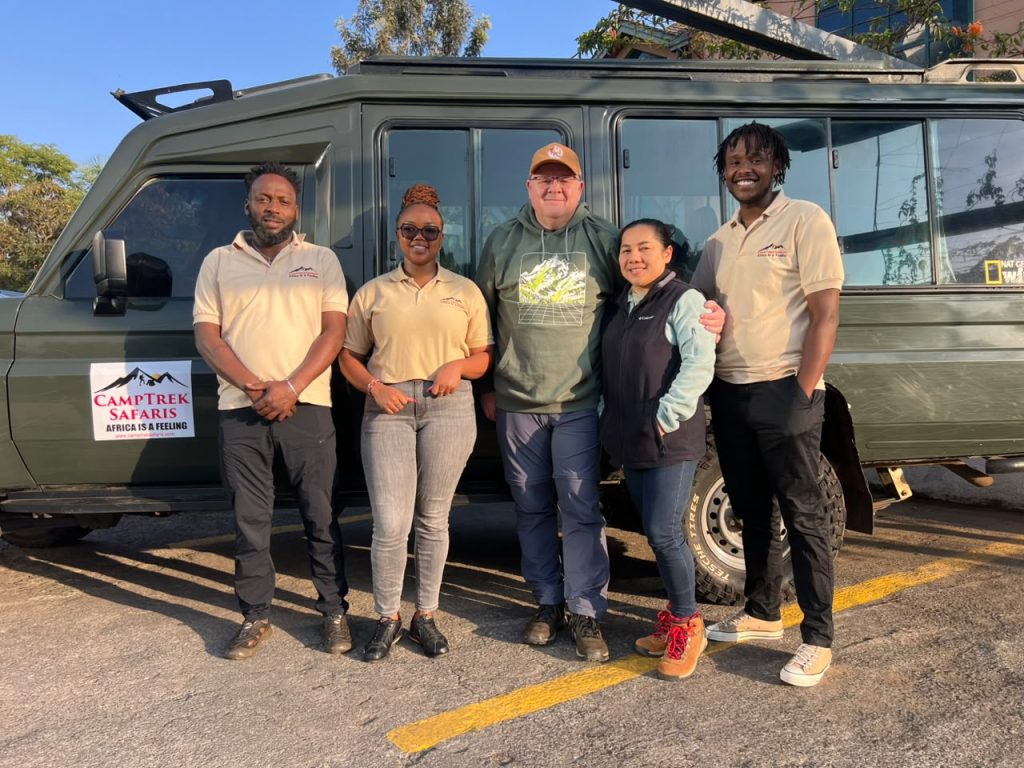
The Camptrek Safaris Perspective
At Camptrek Safaris, we believe East Africa is more than a collection of national parks.
It is a living story.
A story of elephants like Echo, Craig, Dida, Long’uro, Satao, and Ahmed.
A story of Maasai warriors and Samburu communities.
A story of conservationists protecting the next generation of giants.
A story of travellers who arrive as visitors and leave with memories that remain long after the journey ends.
Final Reflection
Some places impress you.
Others change the way you see the world.
East Africa is one of those rare places where every sunrise tells a different story, every elephant has a history, every landscape has shaped generations, and every journey becomes part of your own.
Kenya and Tanzania are not simply safari destinations.
They are the beating heart of the African safari.
Africa is a Feeling. Travel It Your Way.