
Some safaris are about the vast plains.
Ol Pejeta is about something else.
It’s about standing a few meters from a black rhino and understanding how close this animal came to disappearing.
It’s about chimpanzees in the middle of the Kenyan savannah.
It’s about a conservancy that turned wildlife protection into an experience you can be part of.
And it sits just a short flight from Nairobi, close to the equator, with Mount Kenya on the horizon.
Short answer: Ol Pejeta Conservancy is a private wildlife conservancy in Laikipia, central Kenya, and one of the best places in Africa to see rhinos. It is the largest black rhino sanctuary in East Africa, home to Kenya’s only chimpanzee sanctuary, and holds the Big Five. Two to three nights is ideal, and it pairs beautifully with Samburu or the Masai Mara.
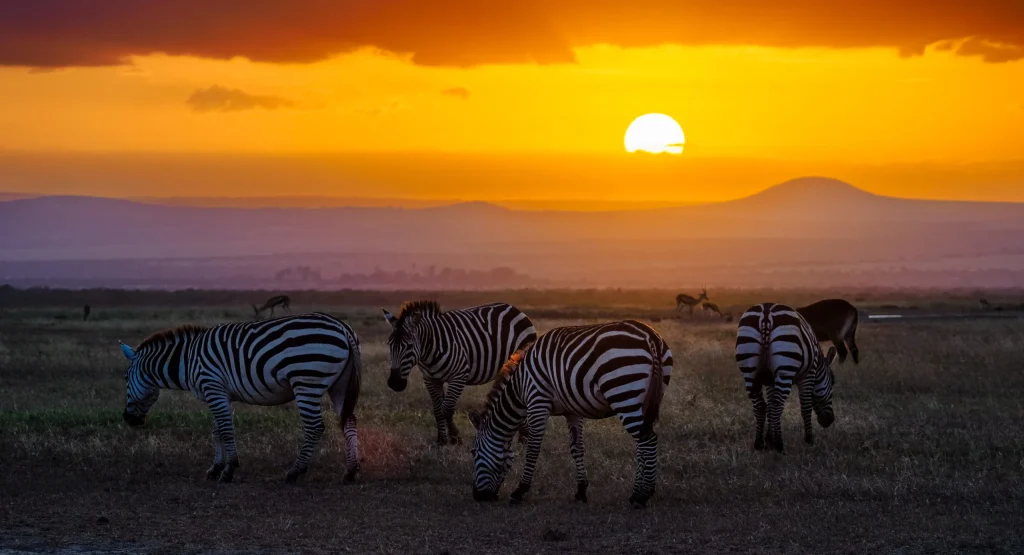
Why Ol Pejeta Is Different
Most safari destinations in Kenya are national parks or reserves.
Ol Pejeta is a conservancy, run as a not-for-profit with conservation at its core. That changes how your safari feels.
- Fewer vehicles at sightings
- Activities you cannot do in a national park, such as night game drives and guided walks
- Tourism revenue that goes directly back into protecting wildlife and supporting neighboring communities
You are not just watching wildlife here.
You are visiting one of Kenya’s most important conservation projects, and your stay helps fund it.
New to Kenya safaris? How to plan your first Kenyan safari: best routes and timing
Rhinos: The Heart of Ol Pejeta
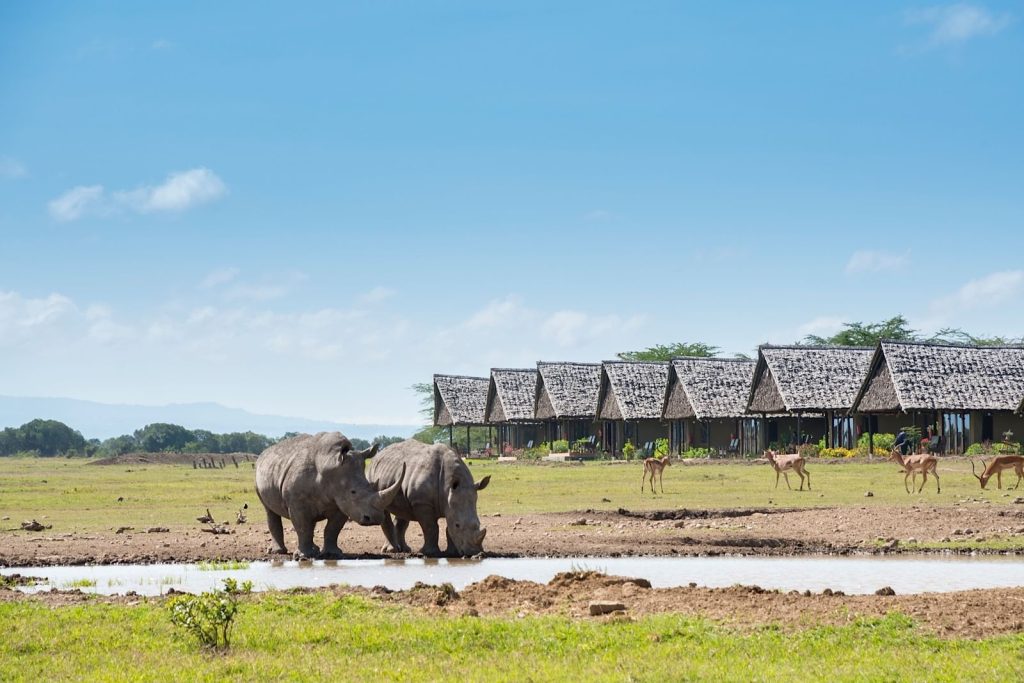
Ol Pejeta describes itself as the largest black rhino sanctuary in East Africa, and it is also one of the most reliable places in Kenya to see southern white rhinos.
On a morning game drive, it is common to find rhinos grazing in the open grassland, often with calves.

The conservancy is also at the center of the international effort to save the northern white rhino, one of the rarest animals on Earth. The science behind this work, from collecting eggs to creating embryos, is led by a global team of partners.
Updates on the northern white rhinos change quickly, so we always point guests to Ol Pejeta’s official news page for the latest before they travel.
Chimpanzees on the Equator
Here’s the surprise most guests don’t expect.
Chimpanzees are not native to Kenya. Yet Ol Pejeta is the only place in the country where you can see them.
The Sweetwaters Chimpanzee Sanctuary gives a lifelong home to chimpanzees rescued from difficult situations elsewhere in Africa. You watch them from viewing areas as they move through large, natural enclosures.
It’s a quiet, moving visit, and a different side of conservation from the big game drives.
The Big Five and Other Wildlife
Ol Pejeta is home to all of the Big Five: lion, leopard, elephant, buffalo and rhino.
Beyond the headline species, keep an eye out for:
- Grevy’s zebra, the rarer, narrow-striped zebra of northern Kenya
- Reticulated giraffe and Jackson’s hartebeest
- Cheetah, spotted hyena and black-backed jackal
- Rich birdlife across grassland, river and acacia woodland
Because the conservancy allows activities beyond standard daytime drives, you can see a different side of the same landscape at night.
Wondering how a guide changes what you see? Why safari guides matter more than you think
Things to Do at Ol Pejeta
Game drives
Morning and late-afternoon game drives are the backbone of every stay. Animals are most active in the cooler hours, and the light is at its best for photography.
Night game drives
After dark, the conservancy belongs to a different cast: hyenas, genets, bush babies and, with luck, a hunting lion or leopard. Night drives are booked through your camp or the conservancy.
Conservation experiences
Ol Pejeta offers guided activities that take you behind the scenes of rhino protection and research. Availability varies, so we confirm the current options when we build your itinerary.
Crossing the equator
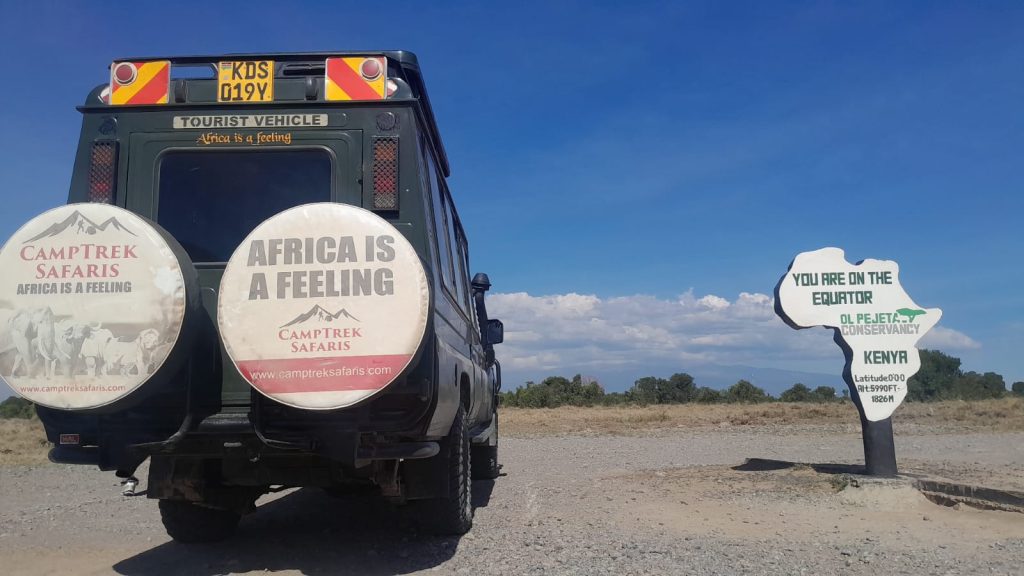
Ol Pejeta sits close to the equator near the town of Nanyuki. Many guests stop for a photo with one foot in each hemisphere, a light moment between game drives.
Where to Stay at Ol Pejeta
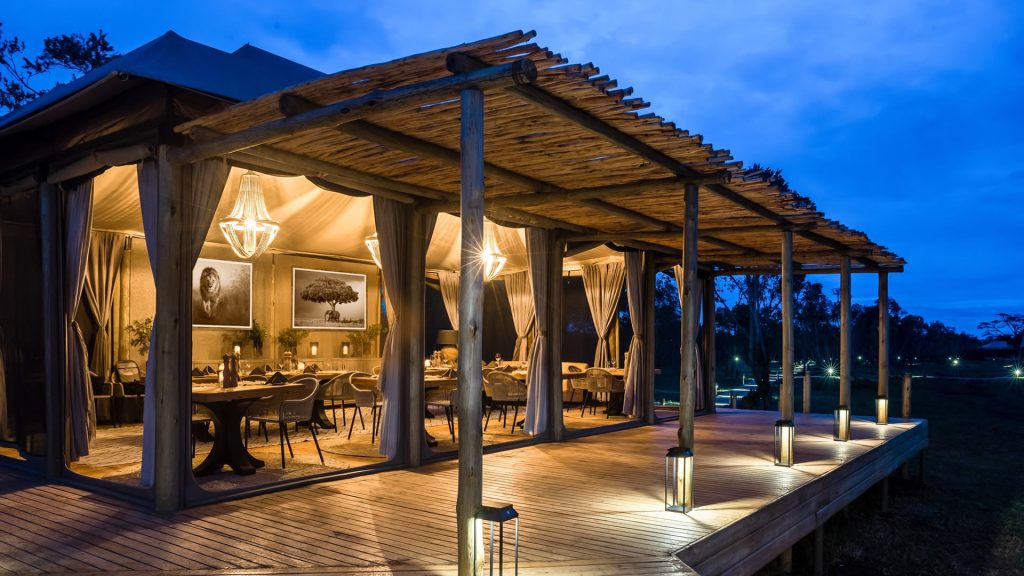
The conservancy has a small number of camps, which keeps it uncrowded. Three we work with often:
- Sweetwaters Serena Camp: a classic tented camp that overlooks a busy waterhole, so wildlife often comes to you.
- Ol Pejeta River Camp: an intimate camp along the river, ideal for couples and small groups.
- Asila Ol Pejeta Bush Camp: a small bush camp for a simple, close-to-nature stay.
The right camp depends on your style, budget and who you travel with. Tell us what matters most and we will match you to the best fit.
When to Visit Ol Pejeta
Ol Pejeta is a year-round destination. Laikipia sits on a high plateau, so days are warm and nights are cool for most of the year.
| Season | Months | What to expect |
|---|---|---|
| Long dry season | June to October | Easiest game viewing as animals gather near water. Busiest and best-known time. |
| Short dry season | January to February | Warm, dry and excellent for wildlife, with fewer visitors than mid-year. |
| Green seasons | March to May and November to early December | Lush landscapes, newborn animals and quieter camps. Short showers, usually in the afternoon. |
For a month-by-month view, see our guide to the best time to visit Kenya for safari.
How to Get to Ol Pejeta
By air: scheduled light-aircraft flights from Nairobi’s Wilson Airport serve the Nanyuki area, and your camp transfer meets you at the airstrip. It’s the fastest option if you want more time on safari.
By road: the drive from Nairobi takes around four hours, passing farmland, the foothills of the Aberdares and views of Mount Kenya on clear days.
Luggage on light aircraft is limited, usually to around 15 kg per person in a soft bag, so pack light. Our complete safari booking guide covers this and more.
Conservancy entry fees apply and are set by Ol Pejeta. The current rates are published in the official Ol Pejeta 2026 tariff guide, and they are included in our safari packages.
How Ol Pejeta Fits Into a Kenya Safari
Most guests spend two to three nights at Ol Pejeta, then continue north or west.
- Ol Pejeta + Samburu: rhinos and chimps, then the special northern species of Samburu. See our 5-day Laikipia and Samburu luxury safari.
- Ol Pejeta + Masai Mara: the classic combination of conservancy intimacy and big-cat country. See our 7-day Kenya safari: Ol Pejeta, Masai Mara and Lake Nakuru.
- Short on time? Our 4-day Ol Pejeta Conservancy safari focuses on the conservancy alone.
Ol Pejeta Safari FAQs
Is Ol Pejeta worth visiting?
Yes. It is one of the best places in Africa to see rhinos, the only place in Kenya to see chimpanzees, and it holds the Big Five. The conservancy model also means fewer vehicles and more flexible activities than most national parks.
How many days do you need at Ol Pejeta?
Two to three nights is ideal. That gives you several game drives, time at the chimpanzee sanctuary and the option of a night drive or conservation activity.
Can you see the Big Five at Ol Pejeta?
Yes. Lion, leopard, elephant, buffalo and rhino all live in the conservancy. Leopards are the most elusive, so sightings depend on luck and time.
How far is Ol Pejeta from Nairobi?
About four hours by road, or a short scheduled flight from Wilson Airport to the Nanyuki area followed by a transfer to your camp.
What is the best time to visit Ol Pejeta?
June to October and January to February offer the easiest game viewing. The green seasons are quieter and beautiful, with occasional short showers.
Plan Your Ol Pejeta Safari
Ol Pejeta is where a safari becomes more than a list of sightings.
It’s where you understand what conservation really means, and leave knowing you were part of it.
Talk to our Kenya safari specialists and we will design a private Ol Pejeta safari around your dates, travel style and the rest of your Kenya journey.