
The Great Safari Debate: Green Season or Peak Season?
One of the biggest decisions travelers face when planning an African safari is choosing between East Africa’s green season and peak season.
Some dream of dramatic Great Migration river crossings under golden dry-season skies.
Others imagine lush emerald landscapes, fewer safari vehicles, cinematic storm clouds, and premium safari camps offered at exceptional seasonal value.
The truth is:
There is no universally “better” safari season.
There is only:
- the best season for your travel style
- your photography goals
- your safari expectations
- your budget
- your preferred safari atmosphere
Peak season delivers:
- classic safari conditions
- migration drama
- easier wildlife viewing
- dry weather
- iconic East Africa safari experiences
Green season offers:
- lush landscapes
- fewer crowds
- premium safari deals
- intimate safari experiences
- extraordinary photography conditions
Understanding the difference can completely transform your safari experience.
This guide explains exactly how East Africa changes between green season and peak season — helping travelers choose the perfect safari season for their dream African adventure.
Understanding East Africa’s Safari Seasons
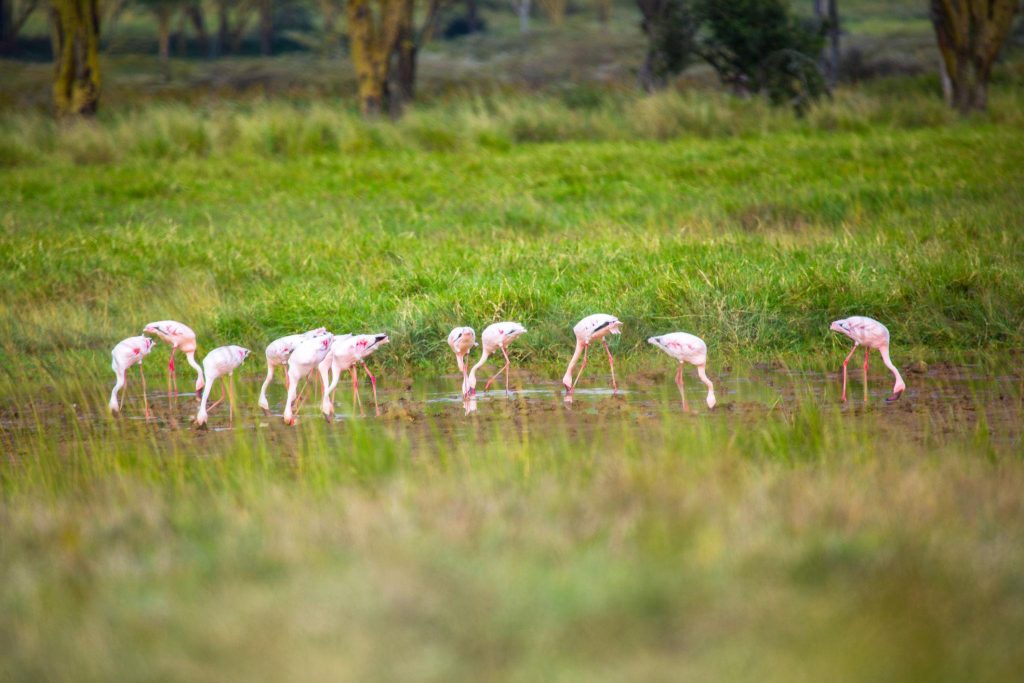
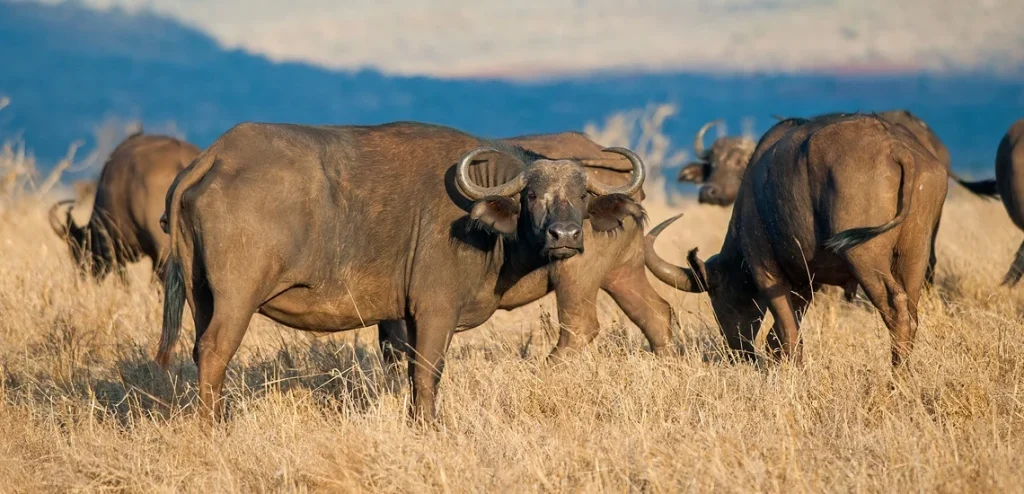
East Africa’s safari calendar is primarily divided into:
- Peak Dry Season
- Green Season
These seasonal changes affect:
- wildlife concentration
- migration movement
- safari pricing
- photography
- road conditions
- luxury camp atmosphere
- crowd density
Countries affected include:
- Kenya
- Tanzania
- Rwanda
- Uganda
What Is Peak Season?
Peak season generally runs from:
June to October
This is East Africa’s famous dry safari season.
Vegetation becomes thinner, wildlife gathers near water sources, and safari viewing becomes easier.
This is also the period of:
- Great Migration river crossings
- high safari demand
- premium safari pricing
- strong wildlife visibility
What Is Green Season?
Green season usually runs from:
November to May
This period includes:
- short rains
- long rains
- lush landscapes
- quieter safari camps
- dramatic scenery
While many travelers assume green season is “bad,” experienced safari travelers often consider it one of East Africa’s most beautiful periods.
Peak Season Safaris in East Africa
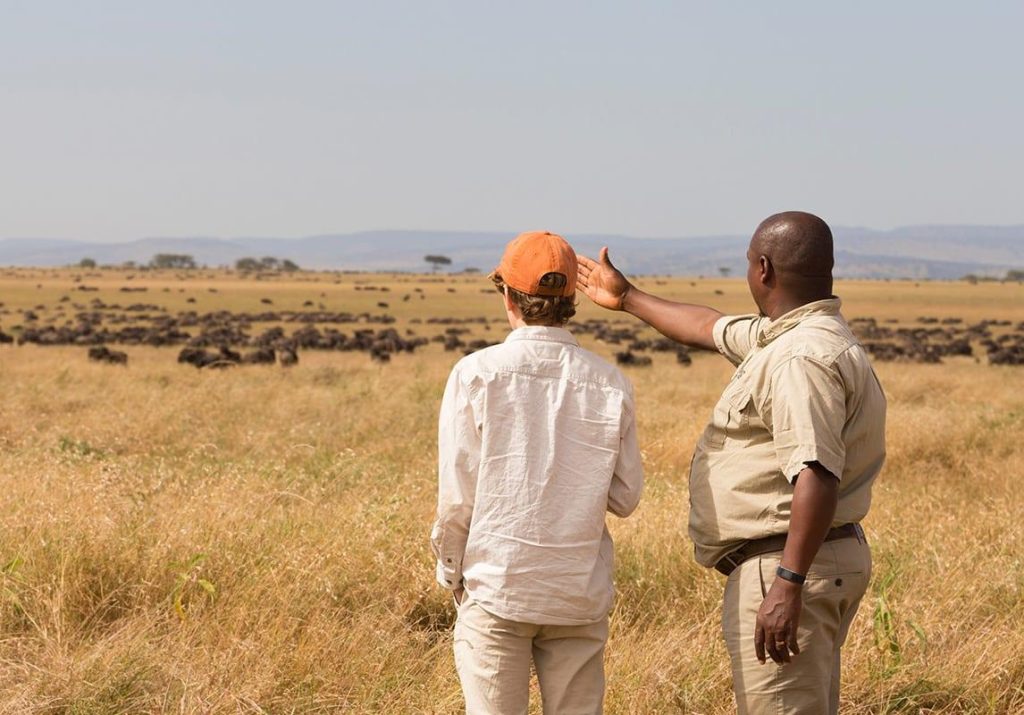
Peak season is what most travelers imagine when they picture an African safari.
Golden grasslands.
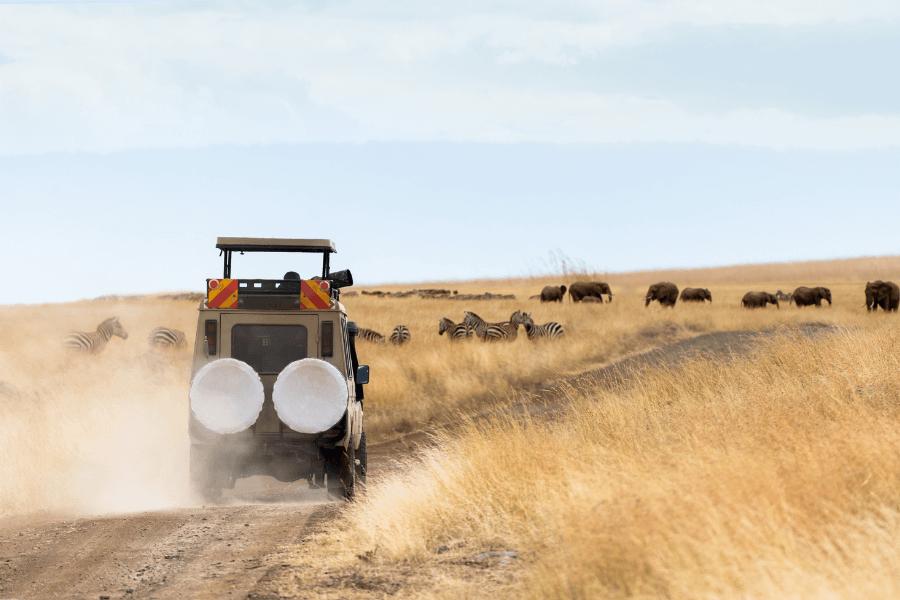
Dust trails behind safari vehicles.
Huge wildlife concentrations.
Migration herds stretching across the horizon.
This is East Africa’s classic safari atmosphere.
Best Peak Season Experiences
Peak season is best for:
- Great Migration safaris
- river crossings
- predator sightings
- first-time safaris
- classic game viewing
- fly-in safaris
Best Peak Season Destinations
Kenya
- Masai Mara
- Amboseli
- Samburu
- Laikipia conservancies
- Lewa Conservancy
- Ol Pejeta Conservancy
Tanzania
- Serengeti
- Ngorongoro Crater
- Tarangire
Rwanda & Uganda
- gorilla trekking during drier months
Advantages of Peak Season Safaris
Easier Wildlife Viewing
During dry season:
- vegetation becomes thinner
- animals gather near rivers
- waterholes attract wildlife
- game drives become easier
This increases:
- wildlife density visibility
- predator encounters
- safari success rates
Great Migration River Crossings
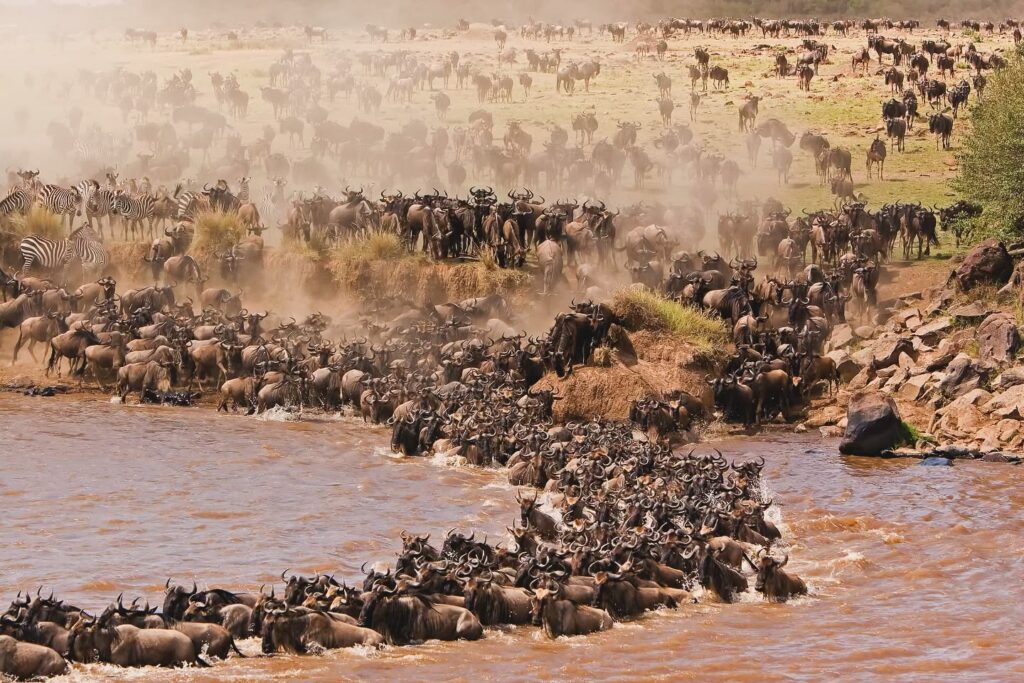
Peak season coincides with:
- Mara River crossings
- crocodile encounters
- dramatic migration scenes
This is one of the greatest wildlife spectacles on Earth.
Explore:
Masai Mara Safaris
Excellent Safari Weather
Peak season often brings:
- sunny days
- cooler evenings
- lower rainfall
- comfortable game drive conditions
Classic Safari Atmosphere
This is the Africa many travelers dream about:
- golden savannahs
- dusty sunsets
- concentrated wildlife
- cinematic safari scenery
Disadvantages of Peak Season Safaris
Higher Prices
Peak season is East Africa’s most expensive safari period.
Premium safari camps often charge their highest rates during:
- July
- August
- September
Especially during migration season.
More Safari Vehicles
Popular wildlife sightings can become crowded in:
- Masai Mara
- Serengeti
- Ngorongoro
This is especially noticeable during migration crossings.
Early Booking Pressure
Top safari camps can sell out:
- 8–12 months in advance
Especially:
- migration camps
- honeymoon lodges
- conservancy camps
Green Season Safaris in East Africa
Green season is East Africa’s most misunderstood safari period.
Many travelers wrongly assume:
- wildlife disappears
- rain ruins safaris
- game viewing becomes impossible
In reality, green season can be one of the most beautiful and luxurious times to visit East Africa.
The landscapes transform into:
- emerald plains
- dramatic cloudscapes
- vibrant ecosystems
- lush photographic scenery
Safari camps become quieter, safari experiences feel more intimate, and photography conditions become extraordinary.
Advantages of Green Season Safaris
Fewer Tourists
One of green season’s biggest advantages is space.
Safari experiences become:
- quieter
- more exclusive
- more personal
In some conservancies, travelers may spend hours without seeing another safari vehicle.
Better Photography Conditions
Photographers often LOVE green season.
Why?
Because of:
- dramatic skies
- soft light
- rich landscape color
- moody atmosphere
- beautiful storm formations
Photography during green season can feel more emotional and cinematic than dry season.
“Peak season shows you Africa at its most iconic. Green season shows you Africa at its most beautiful.”
Better Safari Value
Many safari camps offer:
- reduced seasonal pricing
- honeymoon specials
- extended stay offers
- lower fly-in rates
This creates opportunities for:
- premium safaris at better value
- upgraded camp experiences
- longer safari itineraries
Beautiful Green Landscapes
The transformation can be spectacular.
Instead of dry golden plains, East Africa becomes:
- lush
- vibrant
- alive
- incredibly scenic
This is especially beautiful in:
- Amboseli
- Laikipia
- Mara conservancies
- Serengeti plains
- Lewa Conservancy
- Ol Pejeta Conservancy
Disadvantages of Green Season Safaris
Rainfall
Rain patterns vary, but heavy storms can occur during:
- April
- May
Some roads may become difficult in remote areas.
Harder Wildlife Visibility
Thicker vegetation can sometimes make wildlife:
- harder to locate
- less concentrated
However, experienced guides still deliver excellent safari experiences.
Less Predictable Conditions
Unlike dry season, green season weather can shift quickly.
Travelers should expect:
- occasional rain
- changing skies
- variable safari conditions
Green Season vs Peak Season — Which Is Better?
The answer depends entirely on:
- travel goals
- budget
- safari style
- photography interests
- expectations
| Feature | Peak Season | Green Season |
|---|---|---|
| Wildlife Visibility | Excellent | Good to Very Good |
| Landscapes | Golden & Dry | Lush & Green |
| Crowds | Higher | Lower |
| Pricing | Highest Rates | Better Value |
| Great Migration | Peak River Crossings | Calving & Green Plains |
| Photography Style | Classic Safari Look | Cinematic & Atmospheric |
| Camp Availability | Limited | Better Availability |
| Weather | Dry & Sunny | Mixed with Rain |
| Safari Atmosphere | Busy & Energetic | Quiet & Intimate |
| Best For | First-Time Safaris | Photography & Luxury Value |
Choose Peak Season If You Want:
- Great Migration crossings
- classic safari conditions
- easier wildlife viewing
- dry weather
- first-time safari experience
Choose Green Season If You Want:
- fewer crowds
- dramatic landscapes
- photography-focused safaris
- premium safari value
- quieter experiences
- more intimate game drives
Best Destinations for Green Season Safaris
Amboseli
Beautiful green plains with elephants and Kilimanjaro views.
Laikipia
Excellent for private conservancies and exclusive safari experiences.
Lewa Conservancy
Ideal for rhino conservation, horseback safaris, and luxury experiences.
Ol Pejeta Conservancy
Excellent for rhino tracking and family safaris.
Mara Conservancies
Lower vehicle density creates beautiful private safari experiences.
Watamu
Perfect for post-safari coastal relaxation with a quieter beach atmosphere.
Serengeti
Southern Serengeti becomes spectacular during calving season.
Best Destinations for Peak Season Safaris
Masai Mara
Peak migration drama and river crossings.
Northern Serengeti
Exceptional migration action.
Samburu
Excellent dry-season wildlife concentration.
Ngorongoro Crater
Outstanding year-round wildlife viewing with strong dry-season accessibility.
Diani Beach
Perfect for luxury safari + beach combinations after peak-season safaris.
Best Time for Different Safari Styles
Best for Premium Safaris
- Green season for value
- Peak season for iconic experiences
Best for Photography
- Green season
- January
- February
- November
Best for Honeymoon Safaris
- February
- June
- September
- October
Best for First-Time Safari Travelers
- July to October
Best for Budget Luxury Travel
- April
- May
- November
Frequently Asked Questions
Is green season bad for safari?
No. Green season can offer incredible safari experiences with fewer crowds, dramatic scenery, and lower safari pricing.
Is peak season worth the extra cost?
For travelers wanting:
- Great Migration
- easier wildlife viewing
- classic safari conditions
Yes, peak season can absolutely be worth it.
Which season is best for photography?
Many photographers prefer green season because of:
- dramatic skies
- softer light
- greener landscapes
- atmospheric conditions
Which safari season has fewer tourists?
Green season generally has significantly fewer tourists than peak season.
Is safari cheaper during green season?
Yes. Many safari camps and lodges offer reduced seasonal pricing during green season months.
Final Thoughts
There is no single “perfect” safari season in East Africa.
There are simply different versions of Africa.
Peak season delivers:
- iconic safari drama
- migration crossings
- concentrated wildlife
- classic East African safari conditions
Green season delivers:
- lush landscapes
- dramatic skies
- quieter premium experiences
- emotional photography
- intimate safari moments
Both seasons can be extraordinary.
The key is choosing the safari atmosphere that matches your vision of Africa.
For tailor-made luxury East Africa safari experiences, explore:
Camptrek Safaris