
Beyond Kenya: Why Tanzania Is an Exceptional Safari Destination
Discover the vast Serengeti, witness the Great Wildebeest Migration, explore the Ngorongoro Crater, encounter elephants in Tarangire and complete your African adventure on the beautiful beaches of Zanzibar.
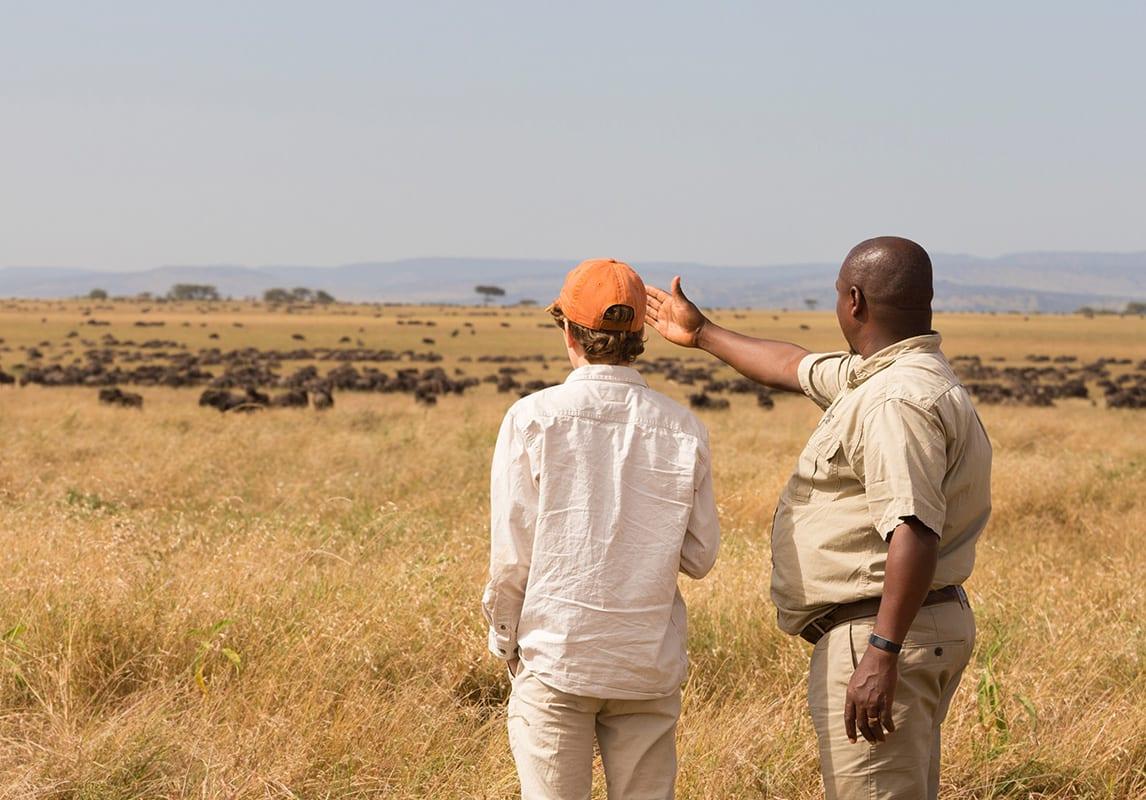
When planning an African safari, Tanzania deserves a place at the top of your list. It is a country of extraordinary natural contrasts, offering everything from endless savannah plains and ancient baobab trees to volcanic landscapes, tropical forests, snow-capped mountain peaks and beautiful Indian Ocean beaches.
Tanzania is particularly famous for the Serengeti National Park and the Great Wildebeest Migration, one of the most remarkable wildlife spectacles on Earth. However, there is much more to discover beyond the migration. The Ngorongoro Crater offers exceptional wildlife viewing within an ancient volcanic caldera, Tarangire is renowned for its large elephant herds, and the remote parks of western and southern Tanzania provide opportunities for more secluded safari experiences.
What makes Tanzania especially rewarding is the variety of experiences that can be combined in one journey. You can spend your mornings watching lions on the open plains, explore a volcanic crater the following day, and finish your holiday relaxing beside the turquoise waters of Zanzibar.
At Camptrek Safaris, we believe that understanding the different destinations and wildlife seasons is essential to planning a memorable safari. Here is what makes Tanzania such an exceptional destination.
1. The Serengeti: More Than Just the Great Wildebeest Migration
The Serengeti National Park is undoubtedly one of Africa’s most celebrated wildlife destinations. Its name is often associated with the Great Wildebeest Migration, but the Serengeti offers much more than this extraordinary annual movement.
Covering approximately 14,750 square kilometres, the park features open grasslands, rocky outcrops known as kopjes, river valleys, woodlands and seasonal plains. These varied habitats support an impressive range of wildlife, including lions, leopards, cheetahs, elephants, buffaloes, giraffes, zebras, hyenas and many other species.
One important detail many travellers do not realise is that the Serengeti is not one uniform safari area. It has several distinct regions, and each offers a different experience depending on the season.
Understanding these regions can make a significant difference when choosing where to stay and when to travel.
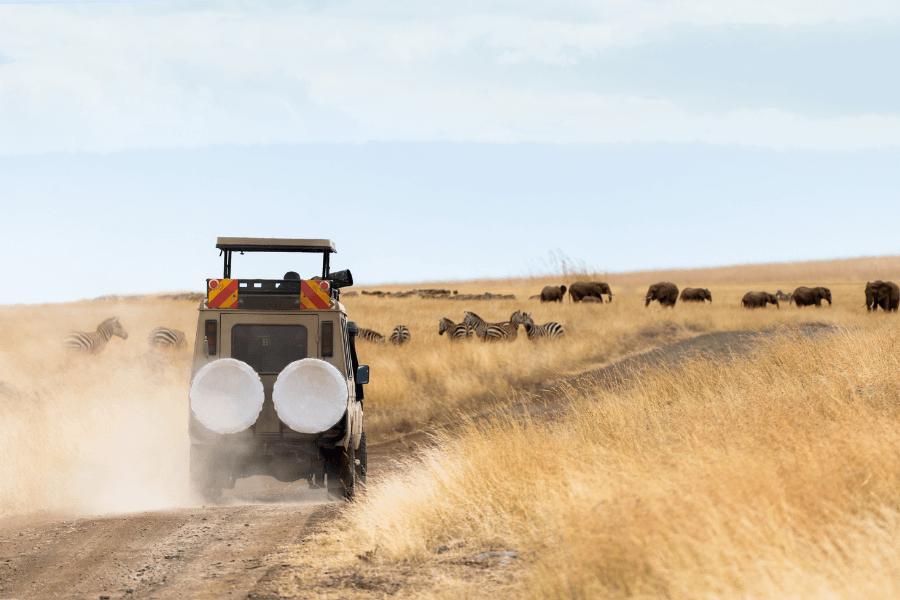
The Famous Mara River Crossings
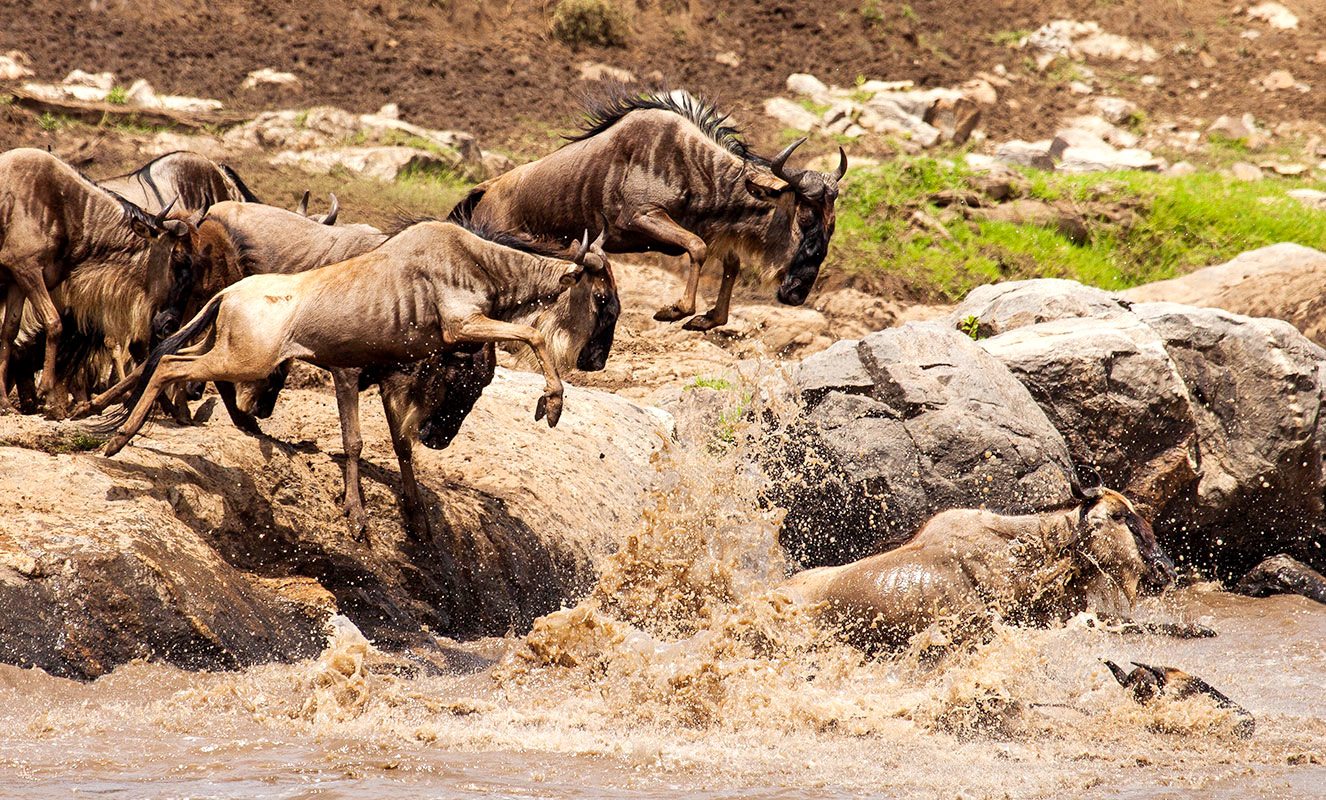
The Northern Serengeti, particularly around Kogatende and the Mara River, is famous for the dramatic river crossings associated with the Great Wildebeest Migration.
As the herds move northwards, thousands of wildebeest and zebras gather around the riverbanks. They must navigate steep banks, strong currents and crocodile-inhabited waters as they move between Tanzania and Kenya’s Maasai Mara ecosystem.
The crossings are among the most spectacular wildlife events in Africa. However, they are unpredictable. The animals may gather near the river for hours or days before crossing, and there is no guaranteed crossing time.
For travellers whose main priority is witnessing the river crossings, the Northern Serengeti is generally the area to consider between July and October, although the timing varies with rainfall and grazing conditions.
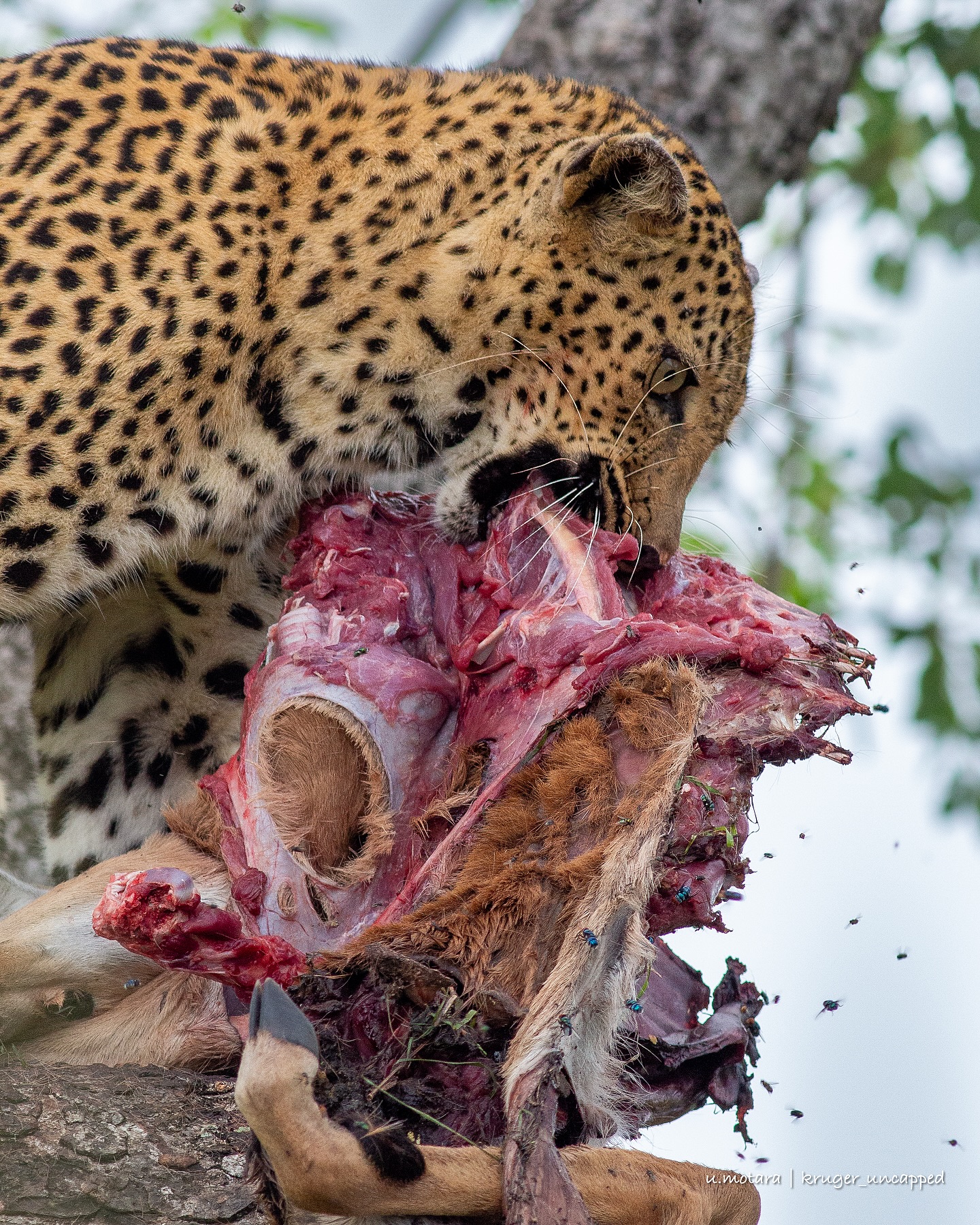
Excellent Wildlife Viewing Throughout the Year
The Central Serengeti, particularly the Seronera Valley, is one of the most rewarding areas for a traditional African safari.
Unlike areas that are particularly important during a specific migration season, Central Serengeti supports abundant resident wildlife throughout the year. Its rivers, woodland areas and open plains provide habitats for large numbers of animals.
The region is especially popular for sightings of lions, leopards and cheetahs, alongside elephants, giraffes, buffaloes, zebras and numerous antelope species.
This makes Central Serengeti an excellent choice for first-time visitors and travellers whose dates do not coincide with a particular migration event. It is also strategically positioned for exploring other parts of the park, making it a useful base for longer Serengeti itineraries.
The Wildebeest Calving Season
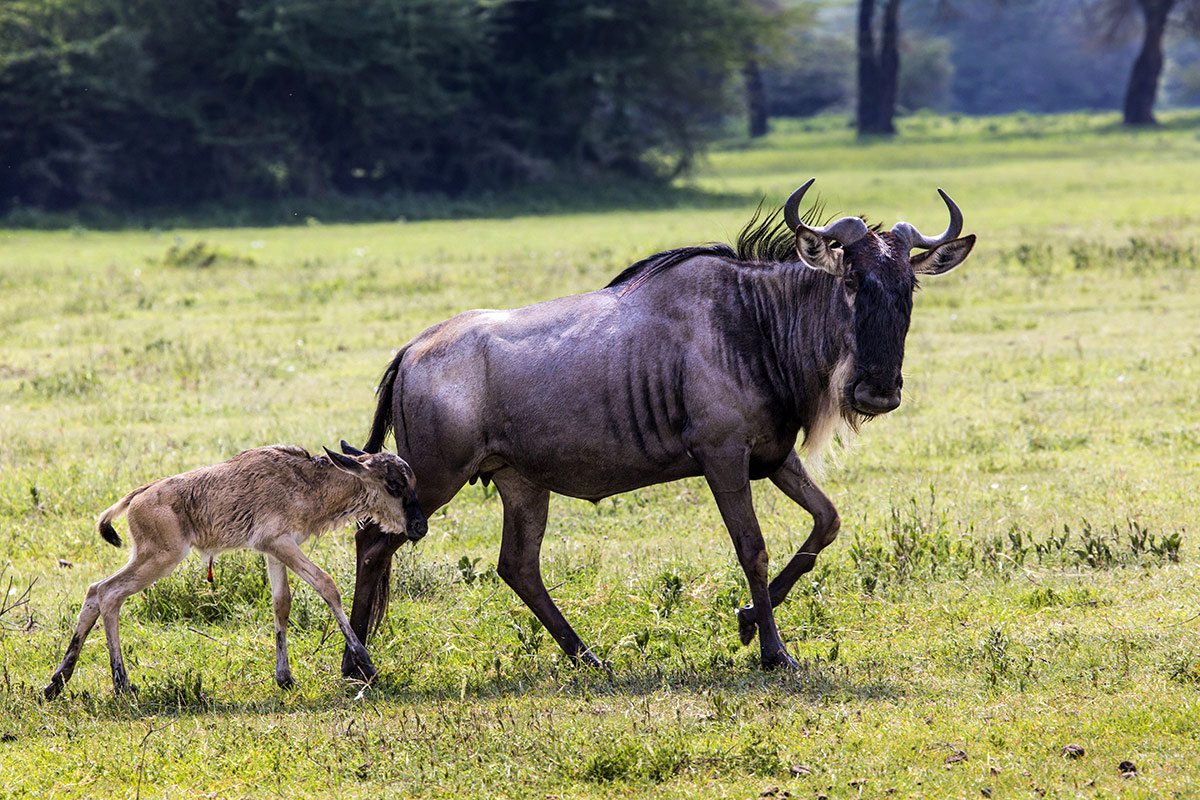
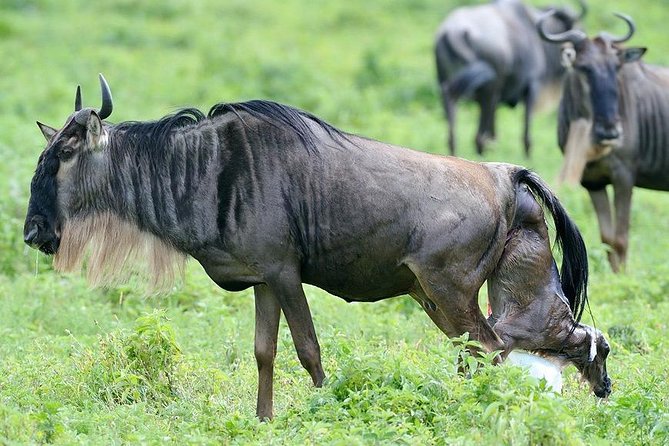
The Southern Serengeti and the neighbouring Ndutu area are particularly special between January and March, when the Great Migration enters its calving season.
The short-grass plains provide nutritious grazing, attracting enormous herds of wildebeest and zebras. During this period, hundreds of thousands of wildebeest calves are born within a relatively short time.
The result is one of the most fascinating wildlife experiences in Tanzania. The plains are filled with newborn calves, while predators such as lions, cheetahs, hyenas and leopards take advantage of the abundance of young animals.
For wildlife photographers and travellers interested in predator behaviour, this is an exceptional time to visit.
One useful detail when planning this experience is that the Ndutu area lies partly within the Ngorongoro Conservation Area, adjoining the southern Serengeti. It is nevertheless an essential part of the wider migration ecosystem.
The Grumeti River and a Different Migration Experience
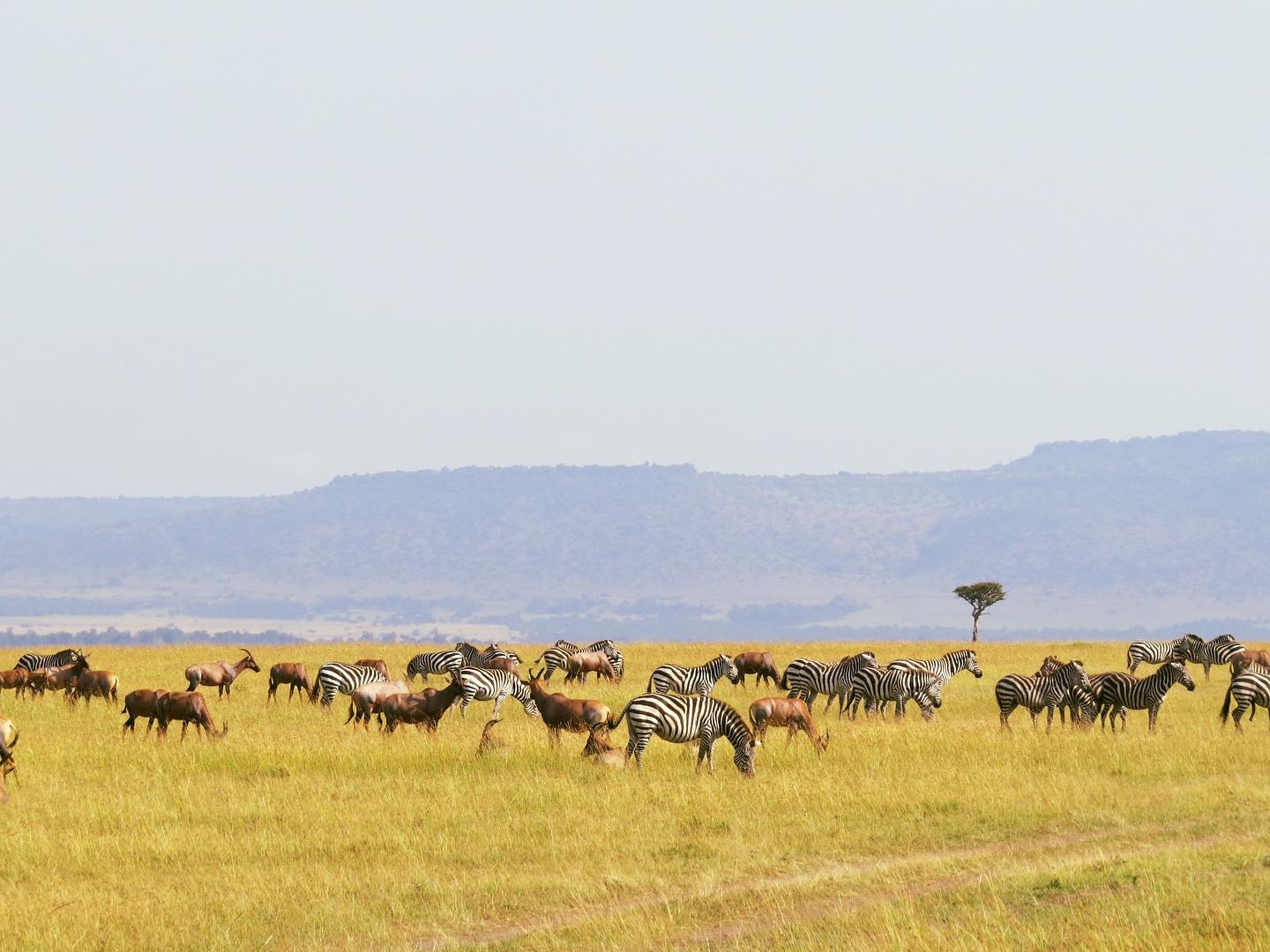
The Western Serengeti, particularly the Western Corridor around the Grumeti River, offers another important chapter of the Great Migration.
As the herds move away from the southern plains, many travel through the central and western parts of the ecosystem. Around May to July, depending on rainfall and grazing conditions, the Grumeti region can offer excellent opportunities to see the migrating herds.
The Grumeti River is known for its large crocodiles, and the river crossings can provide dramatic wildlife encounters.
Beyond the migration, this region offers beautiful riverine landscapes, woodland habitats and resident wildlife. It can also be an appealing choice for travellers looking to explore a different part of the Serengeti away from the best-known northern river-crossing areas.
Where Should You Go in the Serengeti?
The best region depends on your travel dates and what you hope to experience.
| Serengeti region | Main attraction | General seasonal guide |
|---|---|---|
| Southern Serengeti and Ndutu | Wildebeest calving and predator activity | January–March |
| Central Serengeti | Resident wildlife and big-cat sightings | Year-round |
| Western Serengeti | Grumeti River and migration movement | Around May–July |
| Northern Serengeti | Mara River crossings and northern migration | Around July–October |
Please note: These are general seasonal patterns, not fixed dates. The Great Migration follows rainfall, fresh grazing and water availability, so the herds can arrive earlier or later than expected.
This is why choosing the right camp and location is just as important as choosing the right month. A well-planned safari should be designed around the wildlife experience you want to see.
2. The Ngorongoro Crater: An Extraordinary Wildlife Sanctuary
The Ngorongoro Crater is one of Tanzania’s most remarkable natural attractions and a highlight of the country’s northern safari circuit.
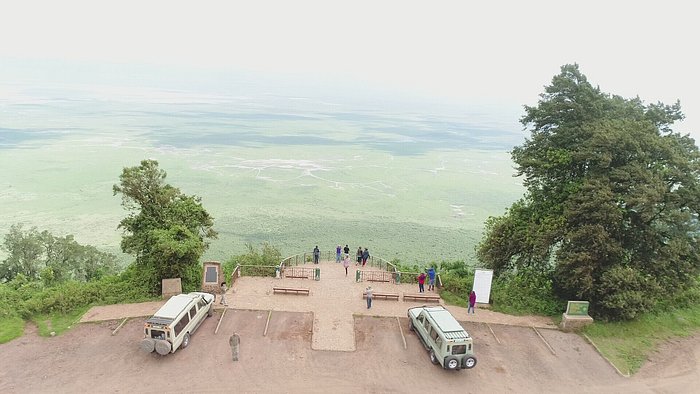
Formed when a massive volcano collapsed millions of years ago, the crater is now a vast natural enclosure surrounded by steep forested walls. Its floor contains grasslands, swamps, woodland and a soda lake, creating habitats for a remarkable concentration of wildlife.
Visitors have opportunities to see lions, elephants, buffaloes, zebras, wildebeest, hippos, hyenas and numerous bird species. The crater is also one of the places where travellers have a good chance of encountering the endangered black rhinoceros.
One of its greatest advantages is the relatively high concentration of wildlife within a compact area. This makes it possible to enjoy rewarding game drives without covering the enormous distances often involved in other safari destinations.
The Ngorongoro Conservation Area is also home to the Maasai community, whose traditional pastoral way of life forms part of the area’s cultural landscape.
For travellers visiting Tanzania for the first time, combining the Ngorongoro Crater with the Serengeti creates an outstanding safari experience.
3. Tarangire National Park: A Land of Elephants and Ancient Baobabs
Often included in Tanzania’s northern safari circuit, Tarangire National Park is particularly famous for its large elephant populations and distinctive baobab trees.
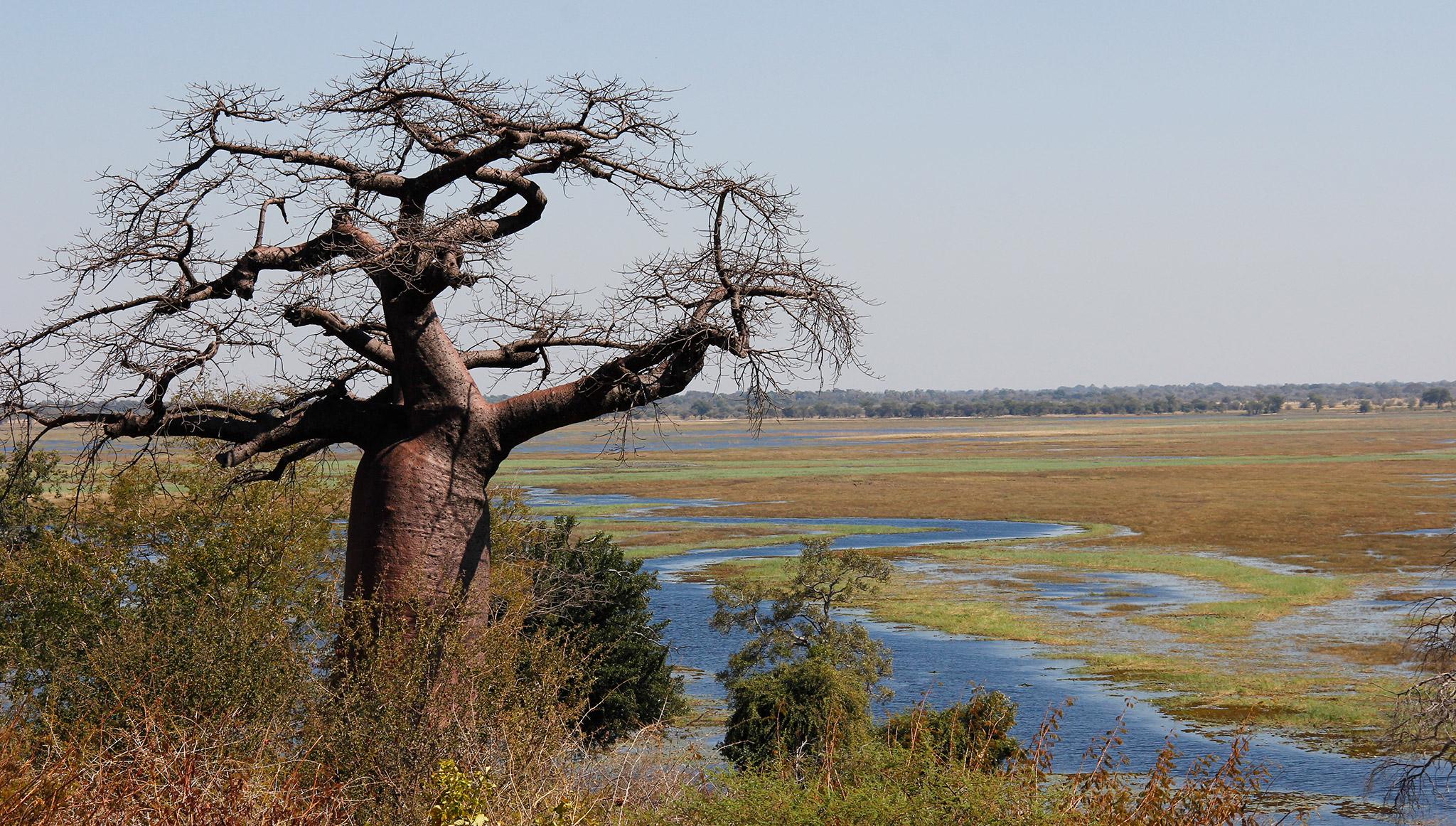
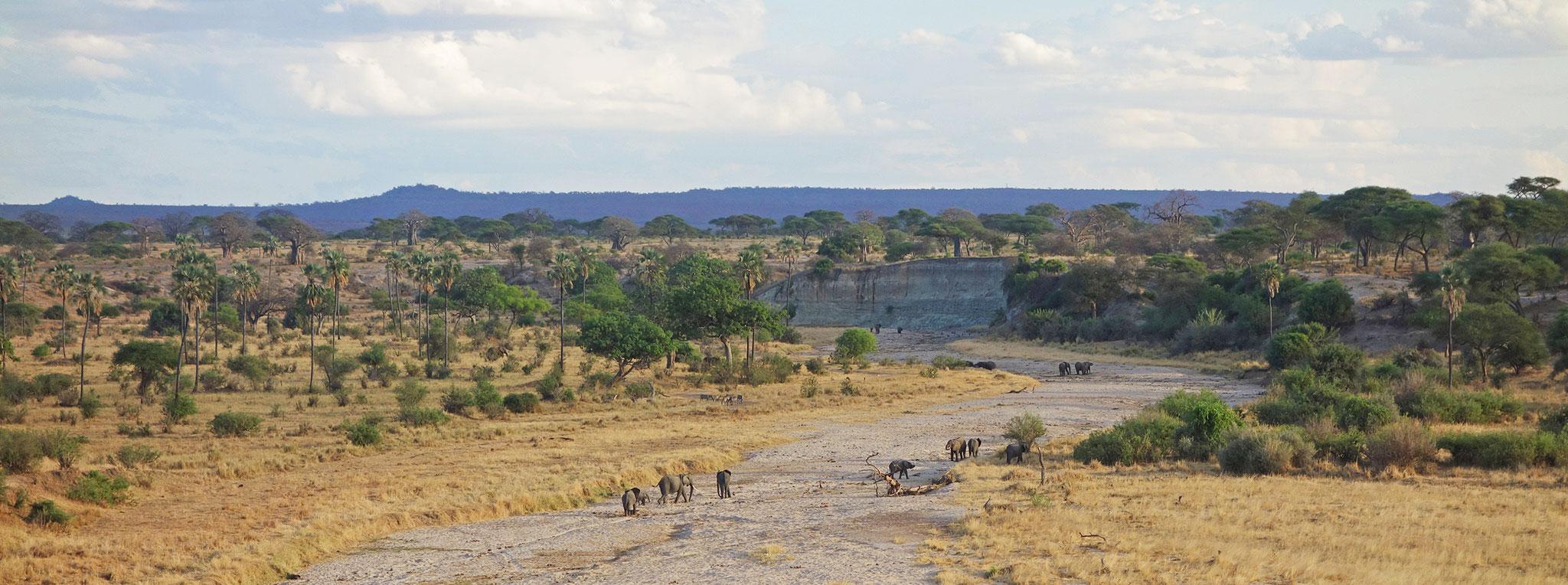
The park’s landscape is different from the open plains of the Serengeti. Here, ancient baobabs rise above the grasslands, while the Tarangire River provides an important source of water, particularly during the dry season.
As seasonal water sources become scarce, large numbers of elephants and other wildlife gather around the river. Visitors may also encounter giraffes, zebras, wildebeest, buffaloes, impalas, lions and leopards.
Tarangire is also an excellent destination for birdwatching, with a wide variety of bird species found across its different habitats.
For travellers who want to experience more than the Serengeti and Ngorongoro, Tarangire adds a distinctive landscape and wildlife experience to a northern Tanzania safari.
4. Lake Manyara National Park: Birds, Forests and Tree-Climbing Lions
Lake Manyara National Park offers yet another contrast to Tanzania’s larger savannah destinations.
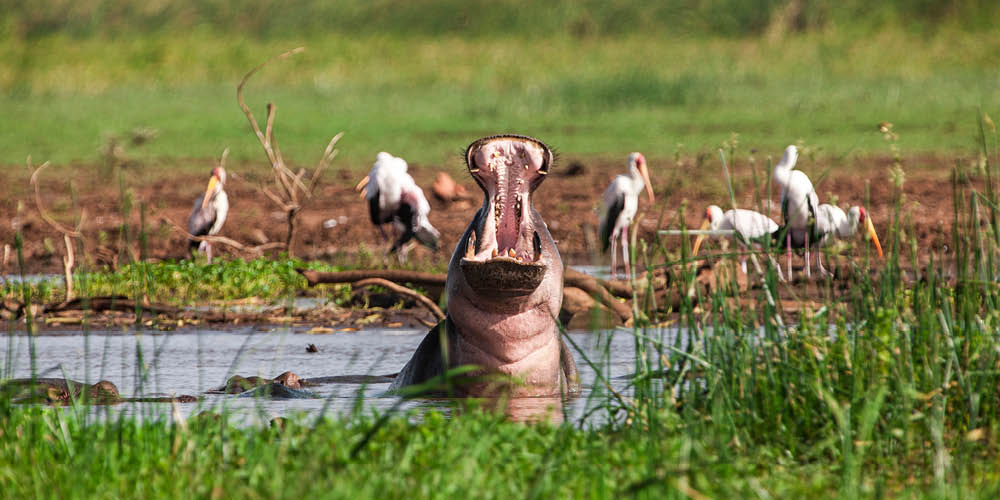
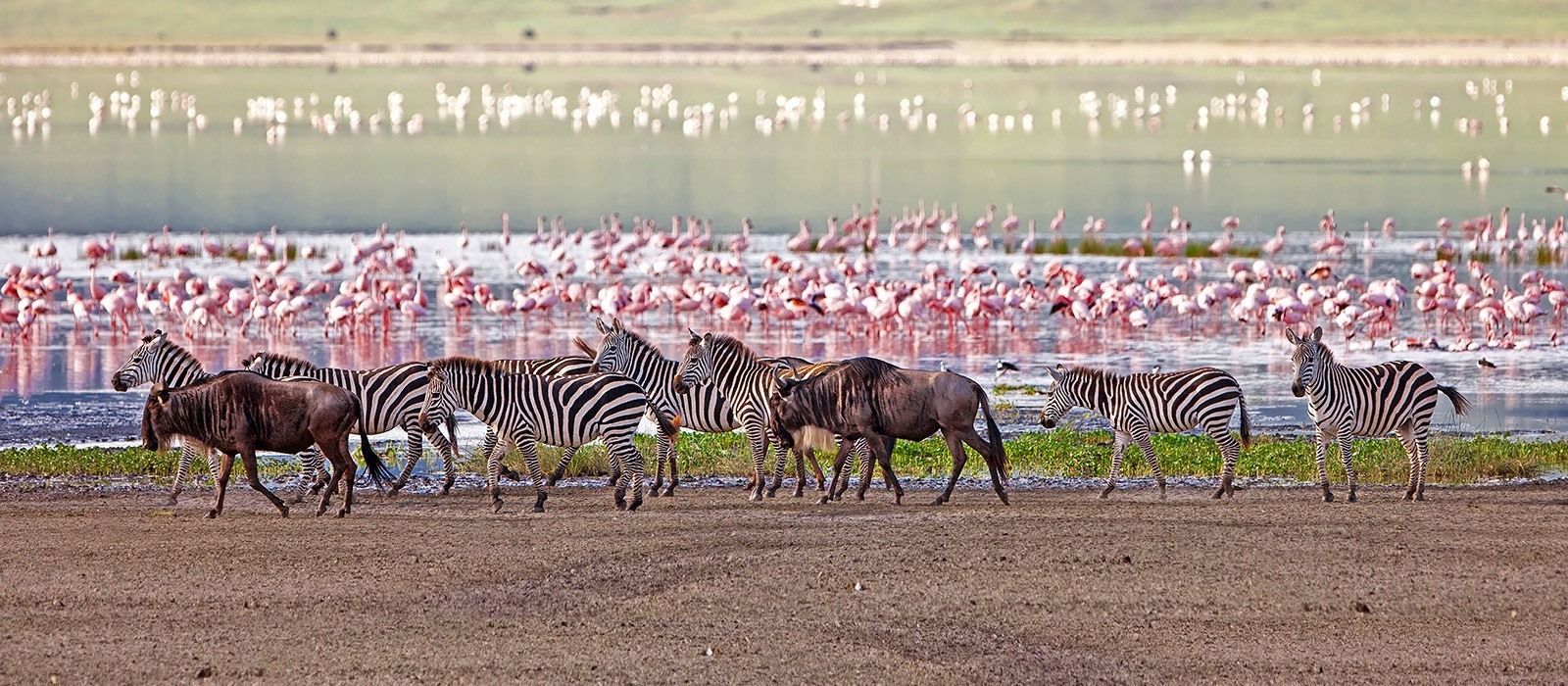
Located beneath the Great Rift Valley escarpment, the park features groundwater forests, open grasslands, woodland and a shallow alkaline lake that attracts a variety of waterbirds.
Lake Manyara is particularly known for its birdlife, including flamingos, pelicans, storks and other waterbirds, depending on seasonal conditions.
It is also famous for its tree-climbing lions, a fascinating behaviour that has made the park well known among safari enthusiasts. Visitors may also encounter elephants, giraffes, zebras, baboons, hippos and other wildlife.
Its location makes Lake Manyara a convenient addition to a northern Tanzania itinerary, particularly when travelling between Tarangire and the Ngorongoro Conservation Area.
5. Beyond the Northern Circuit: Tanzania’s Remote Wilderness Areas
While the northern circuit receives much of the attention, Tanzania has several other outstanding national parks and protected areas worth exploring.
For travellers seeking quieter wilderness experiences, Nyerere National Park and Ruaha National Park in southern Tanzania offer a different style of safari.
Nyerere is known for its extensive wilderness, river systems and opportunities for boat safaris along the Rufiji River. These excursions provide a different perspective on wildlife, with opportunities to observe hippos, crocodiles, elephants and numerous bird species.
Ruaha National Park is famous for its rugged landscapes, baobab-dotted scenery, large elephant populations and impressive predator sightings. Its remote setting makes it particularly appealing to travellers looking for a less-visited safari destination.
Tanzania also offers exceptional opportunities for chimpanzee trekking.
Gombe Stream & Mahale Mountains
In Gombe Stream National Park, on the shores of Lake Tanganyika, visitors can explore forested landscapes and encounter wild chimpanzees. This is the park where renowned primatologist Jane Goodall began her groundbreaking chimpanzee research in 1960.
Further south, Mahale Mountains National Park offers another remarkable opportunity to track wild chimpanzees in a beautiful setting of forested mountains and the clear waters of Lake Tanganyika.
These destinations demonstrate that Tanzania is not only about traditional game drives. It also offers walking, boating, hiking and primate experiences.
6. Mount Kilimanjaro: An Adventure Beyond the Safari
Tanzania is home to Mount Kilimanjaro, Africa’s highest mountain, standing at approximately 5,895 metres above sea level.

For adventure travellers, climbing Kilimanjaro is a major bucket-list experience. The mountain attracts hikers from around the world who come to challenge themselves and experience its changing ecological zones.
The journey takes climbers through different landscapes, from cultivated foothills and lush montane forests to moorlands, alpine desert and the icy summit.
Several established climbing routes are available, including Machame, Marangu, Lemosho and Rongai. Each offers a different experience in terms of scenery, duration and difficulty.
Travellers can also combine a Kilimanjaro climbing expedition with a wildlife safari in northern Tanzania, creating a varied holiday that brings together mountain adventure and African wildlife.
7. Zanzibar: Complete Your Safari with an Indian Ocean Escape
After several days of exploring Tanzania’s wilderness, Zanzibar offers the perfect opportunity to slow down and enjoy the coast.
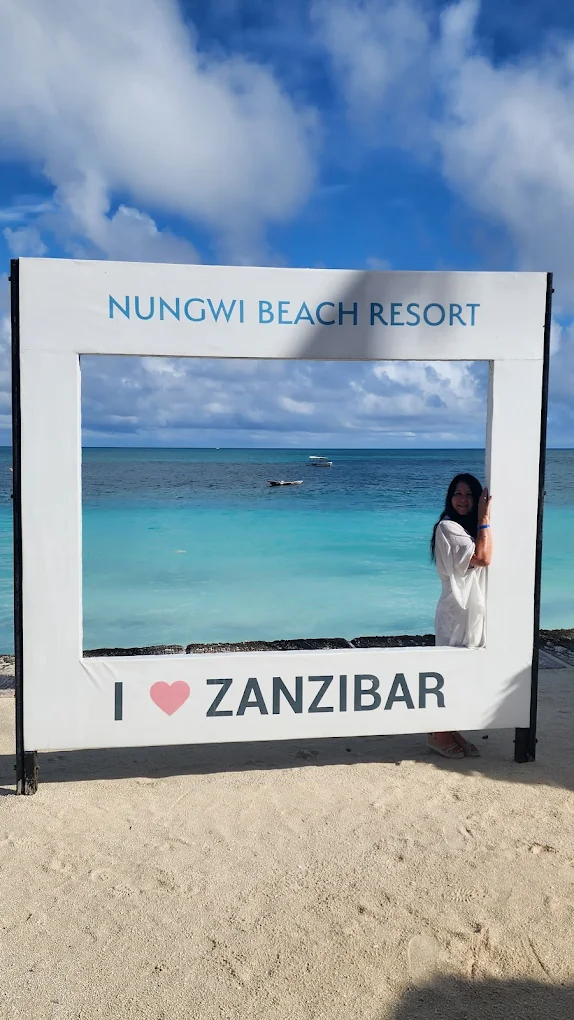
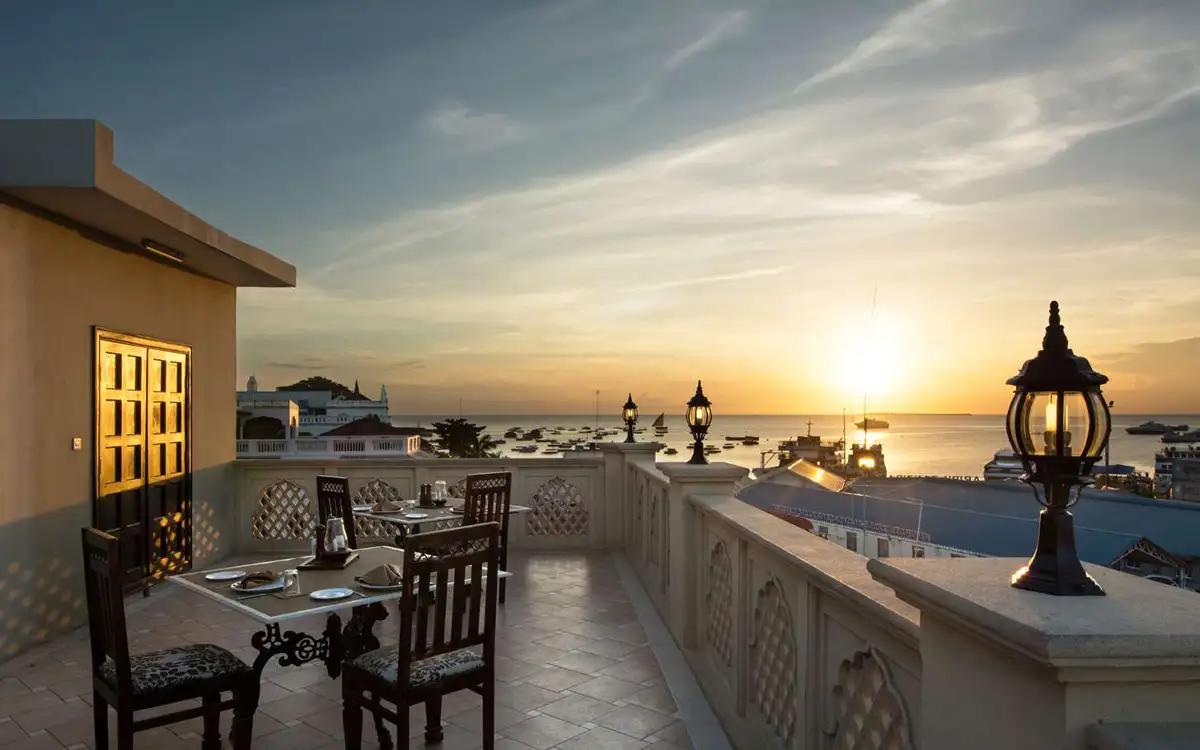
Located off mainland Tanzania, Zanzibar is famous for its white-sand beaches, turquoise waters, palm-fringed coastline and rich cultural heritage.
The island offers a variety of experiences, including snorkelling, diving, dhow cruises, spice tours and visits to historic Stone Town.
Its surrounding waters are home to vibrant coral reefs and diverse marine life. Travellers can enjoy boat excursions, explore underwater environments and discover the island’s coastal villages.
For those who want to combine wildlife and relaxation, a Tanzania safari followed by a Zanzibar beach holiday is an excellent option.
A typical itinerary could include Tarangire, Serengeti and Ngorongoro before flying to Zanzibar for a few days by the ocean. This combination allows travellers to experience two very different sides of Tanzania in one holiday.
8. When Is the Best Time to Visit Tanzania?
Tanzania is a year-round safari destination, but the best time to visit depends on the destinations you want to explore and the wildlife experiences you hope to enjoy.
The dry season, generally from June to October, is popular for traditional game viewing. Vegetation is often thinner, and animals tend to gather around available water sources, making wildlife easier to spot.
However, other seasons offer equally memorable experiences.
| Travel period | Recommended experience | Where to consider |
|---|---|---|
| January–March | Wildebeest calving and predator activity | Southern Serengeti and Ndutu |
| April–May | Lush landscapes and migration movement | Central and Western Serengeti |
| June–July | Migration movement and possible Grumeti crossings | Western Serengeti |
| July–October | Possible Mara River crossings and dry-season game viewing | Northern Serengeti |
| November–December | Seasonal rains and the herds’ movement south | Central, eastern and southern Serengeti |
Important: These periods are general guidelines rather than guarantees. Rainfall patterns vary from year to year, and the migration does not follow a fixed timetable.
For travellers interested in Zanzibar, the island can be visited throughout the year, although weather and sea conditions vary by season.
The most important step is to match your travel dates with the destinations and experiences that matter most to you.
9. What Wildlife Can You Expect to See in Tanzania?
Tanzania is one of Africa’s outstanding wildlife destinations, offering opportunities to encounter a remarkable range of animals across its national parks and conservation areas.
The country’s wildlife includes the famous Big Five:
- Lion: Frequently encountered in the Serengeti, Ngorongoro and other major parks.
- Leopard: Often found resting in trees or moving through woodland and riverine habitats.
- Elephant: Particularly well known in Tarangire and Ruaha.
- African buffalo: Found in several major parks and conservation areas.
- Rhinoceros: The Ngorongoro Crater is one of the important places to look for the endangered black rhino.
Beyond the Big Five, visitors may encounter cheetahs, spotted hyenas, African wild dogs, giraffes, zebras, wildebeest, hippos, crocodiles and numerous antelope species.
Tanzania is also an excellent birdwatching destination, with an impressive variety of resident and migratory bird species.
The diversity of wildlife and habitats is one of the reasons a carefully planned Tanzania safari can offer such a rewarding experience.
10. Why Choose a Tailor-Made Tanzania Safari?
Every traveller has different expectations when planning an African safari. Some want to witness the Great Wildebeest Migration, others are interested in photography and big-cat sightings, while some prefer a combination of wildlife, adventure and beach relaxation.
A tailor-made safari allows the itinerary to be built around these interests. For example:
- The Great Migration Safari: Focus on the Serengeti, selecting the appropriate region according to the expected movement of the herds.
- The Northern Tanzania Safari: Combine Tarangire, Lake Manyara, the Ngorongoro Crater and Serengeti National Park.
- The Luxury Safari and Zanzibar Escape: Enjoy carefully selected safari lodges and camps before flying to Zanzibar for a relaxing beach holiday.
- The Wildlife and Adventure Holiday: Combine a Tanzania safari with a Mount Kilimanjaro climbing expedition.
- The Southern Tanzania Safari: Explore Nyerere and Ruaha for a more remote wilderness experience.
At Camptrek Safaris, we create private, tailor-made safari experiences designed around your travel dates, interests, preferred accommodation standards and budget.
Our team can assist with selecting the most suitable destinations, arranging accommodation, coordinating road transfers and domestic flights, and planning activities that bring your African adventure together.
Tanzania safari planning checklist
Before you book, consider the following:
- Decide which experience matters most: the migration, big cats, elephants, chimpanzees, a mountain climb or the beach.
- Match your travel dates to the right region of the Serengeti.
- Check passport validity and entry requirements for your nationality.
- Consult a travel clinic about recommended vaccinations and malaria prevention.
- Arrange comprehensive travel insurance, including medical cover.
- Choose accommodation that suits your preferred style and budget.
- Confirm road transfers and domestic flights between parks.
- Allow enough time in each area rather than rushing between parks.
- Consider adding Zanzibar or a Kilimanjaro climb to your itinerary.
- Pack neutral-coloured clothing, sun protection and a good camera.
Frequently asked questions about Tanzania safaris
When is the best time to see the Great Wildebeest Migration?
The migration is a year-round movement, so the best time depends on what you want to see. Calving takes place around January to March in the south, Grumeti crossings are possible around May to July, and Mara River crossings are generally around July to October. Timing varies with rainfall and grazing.
Are the Mara River crossings guaranteed?
No. Crossings are unpredictable. The herds may gather at the river for hours or days before crossing, and there is no guaranteed time.
Which part of the Serengeti is best for first-time visitors?
The Central Serengeti, around the Seronera Valley, is an excellent choice because it supports abundant resident wildlife throughout the year, including lions, leopards and cheetahs.
Can I see the Big Five in Tanzania?
Yes. Lions, leopards, elephants and buffaloes are found in several parks, and the Ngorongoro Crater is one of the important places to look for the endangered black rhino.
Can I combine a safari with Mount Kilimanjaro?
Yes. Many travellers combine a Kilimanjaro climbing expedition with a wildlife safari in northern Tanzania for a varied holiday of mountain adventure and wildlife.
Can I relax on the beach after my safari?
Yes. A safari followed by a few days in Zanzibar is a popular combination, offering white-sand beaches, snorkelling, diving, dhow cruises and a visit to historic Stone Town.
Where can I go for a quieter, more remote safari?
Nyerere and Ruaha National Parks in southern Tanzania offer remote wilderness experiences, while Gombe Stream and Mahale Mountains are ideal for chimpanzee trekking.
Why choose a tailor-made safari?
A tailor-made safari is built around your dates, interests, accommodation standards and budget, so your itinerary matches the experiences that matter most to you.
Plan Your Tanzania Safari with Camptrek Safaris
Tanzania offers far more than a chance to see the Great Wildebeest Migration. It is a destination where vast wildlife-rich plains, dramatic volcanic landscapes, remote wilderness areas, mountain adventures and tropical beaches come together.
Whether you dream of witnessing wildebeest crossings in the Northern Serengeti, watching newborn calves on the Ndutu plains, exploring the Ngorongoro Crater or relaxing on Zanzibar’s beautiful beaches, Tanzania offers an extraordinary range of experiences.
The secret to a successful safari is knowing where to go, when to travel and how to bring the different experiences together.
Let Camptrek Safaris help you plan a private Tanzania safari designed around your interests.
Start PlanningVisit Camptrek Safaris or contact us at info@camptreksafaris.com
Africa in a Feeling.