
Luxury Safari Planning: What Client Feedback Teaches Us About Better Safari Experiences
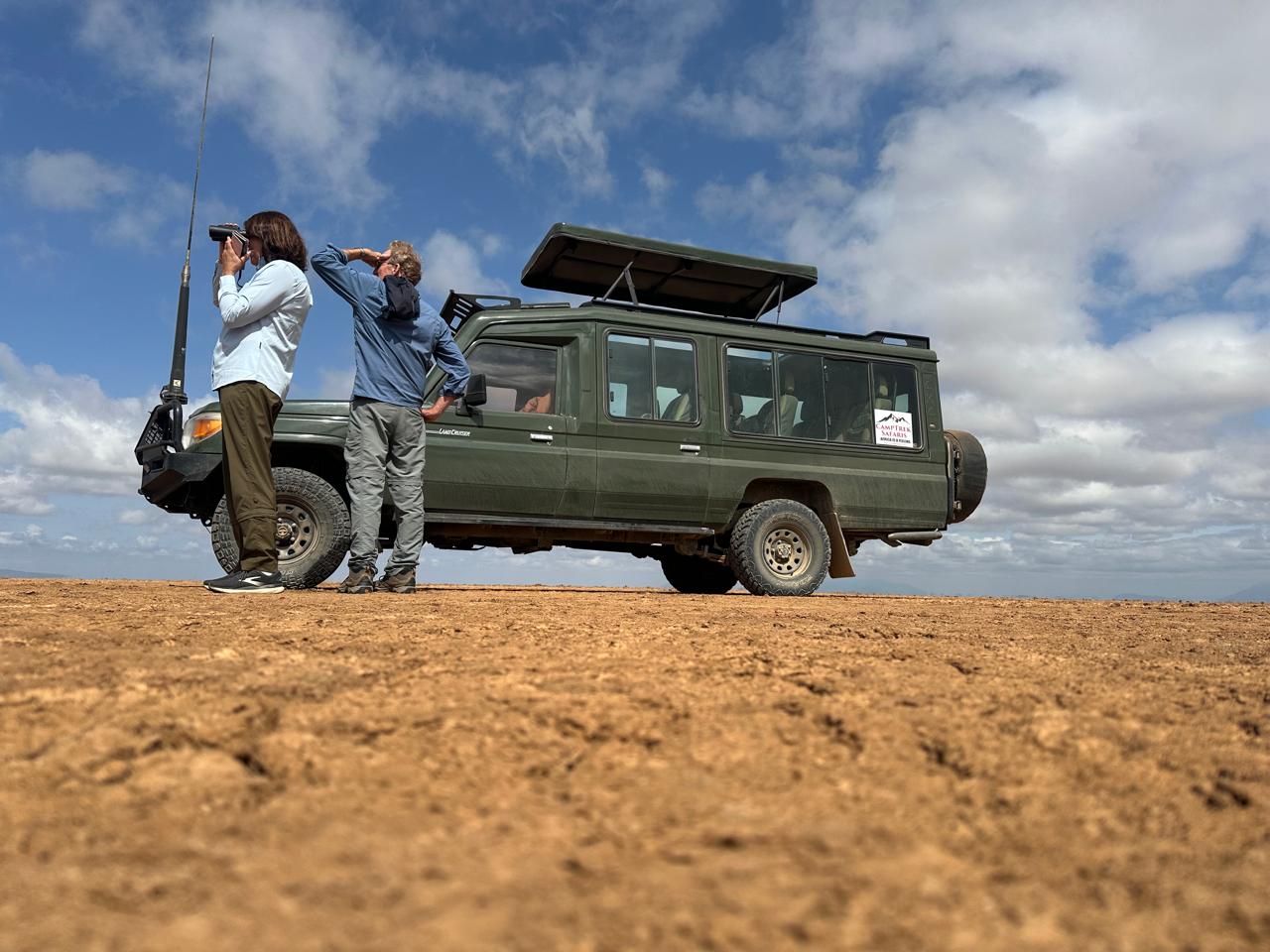
A luxury safari is about much more than beautiful lodges, private vehicles and spectacular wildlife.
It is about the entire experience — from the first conversation with a safari planner to the moment a traveller returns home.
For a luxury safari company, client feedback is extremely valuable. Even when an overall safari is successful, a missed expectation, communication gap, poorly timed activity or unsuitable accommodation can affect how a traveller remembers the journey.
At Camptrek Safaris, we believe feedback should not simply be treated as a problem to be closed. It should be an opportunity to understand what the traveller expected, examine how the safari was planned and continually improve the experience we provide.
Client feedback has highlighted several important lessons about luxury safari planning — particularly around the Great Migration, itinerary design, time management, guide selection, accommodation, activities and service recovery.
The Great Migration: Why Location Matters
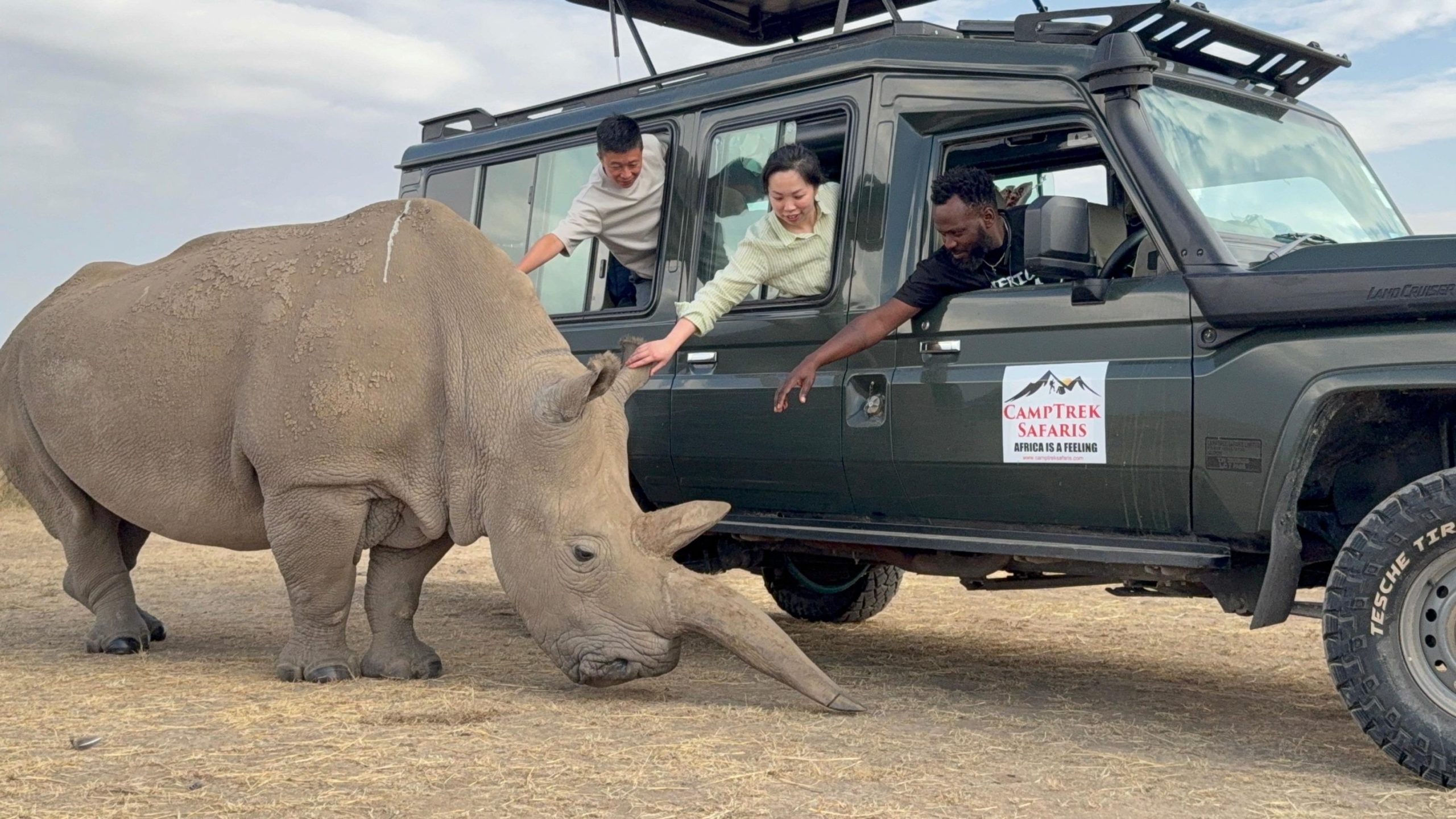
The Great Migration is one of Africa’s most extraordinary wildlife spectacles.
Each year, enormous herds of wildebeest, accompanied by zebra and other wildlife, move through the greater Serengeti–Mara ecosystem in response to rainfall, grazing conditions and water availability.
For some travellers, the Great Migration is not simply one activity among many.
It is the main reason for booking the safari.
That distinction matters.
When a traveller tells their safari planner that the Great Migration is their primary objective, the itinerary should be designed around that priority rather than simply adding the word “Serengeti” to the programme.
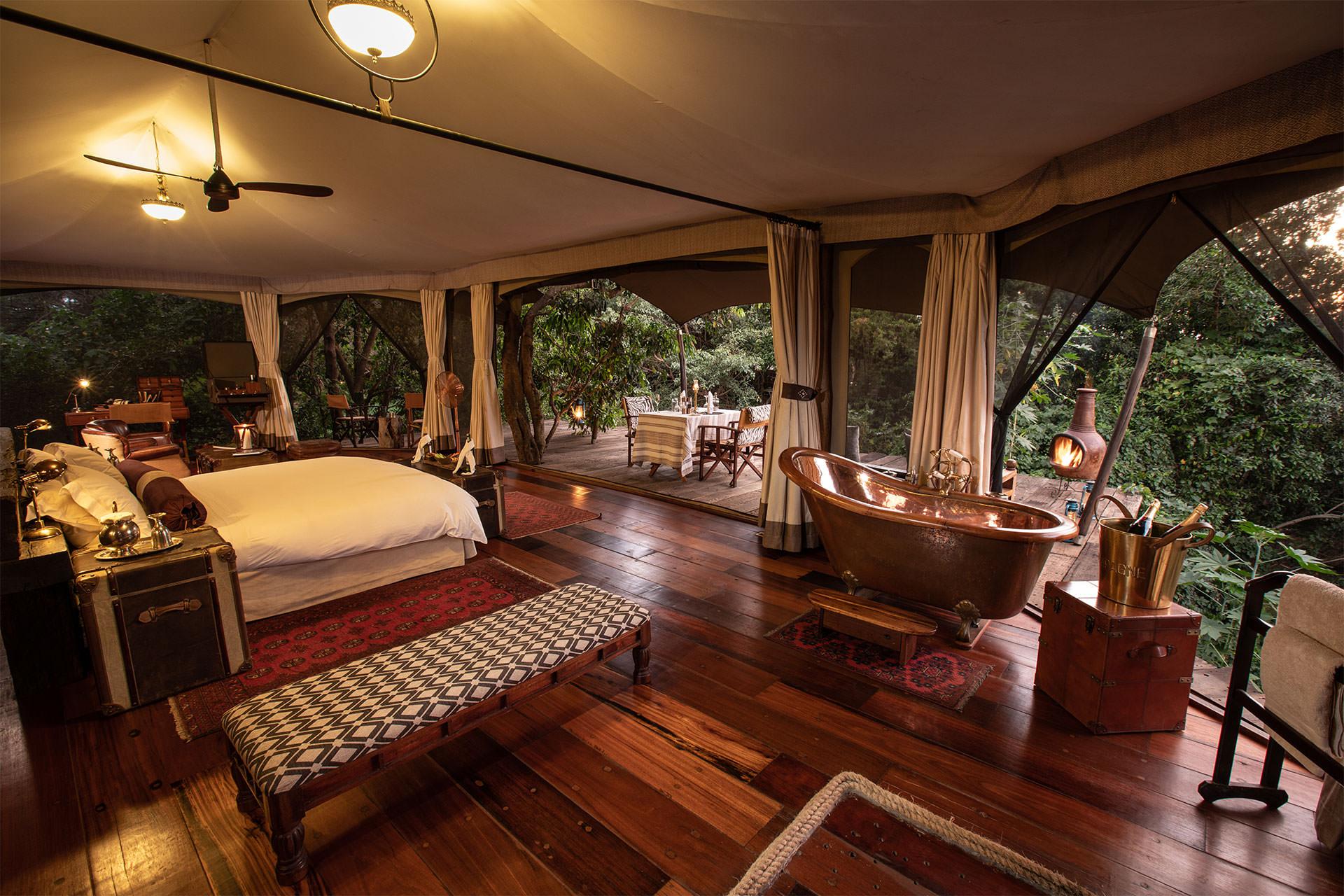
The Mara River and the Importance of Location

Travellers who specifically want to look for the famous Mara River crossings need to understand that accommodation location and game-drive positioning matter.
The Mara River forms part of the ecosystem shared between Kenya and Tanzania, and the migration moves through different areas during the relevant seasonal period.
Simply saying that a safari includes “the Serengeti” therefore does not provide enough information.
The Serengeti is enormous.
Northern Serengeti and Central Serengeti are different locations with different relevance when planning for the Great Migration and potential Mara River activity.
A traveller whose priority is the migration should ask exactly where they will be staying, why that location has been selected and how the itinerary has been designed around the expected seasonal movement.
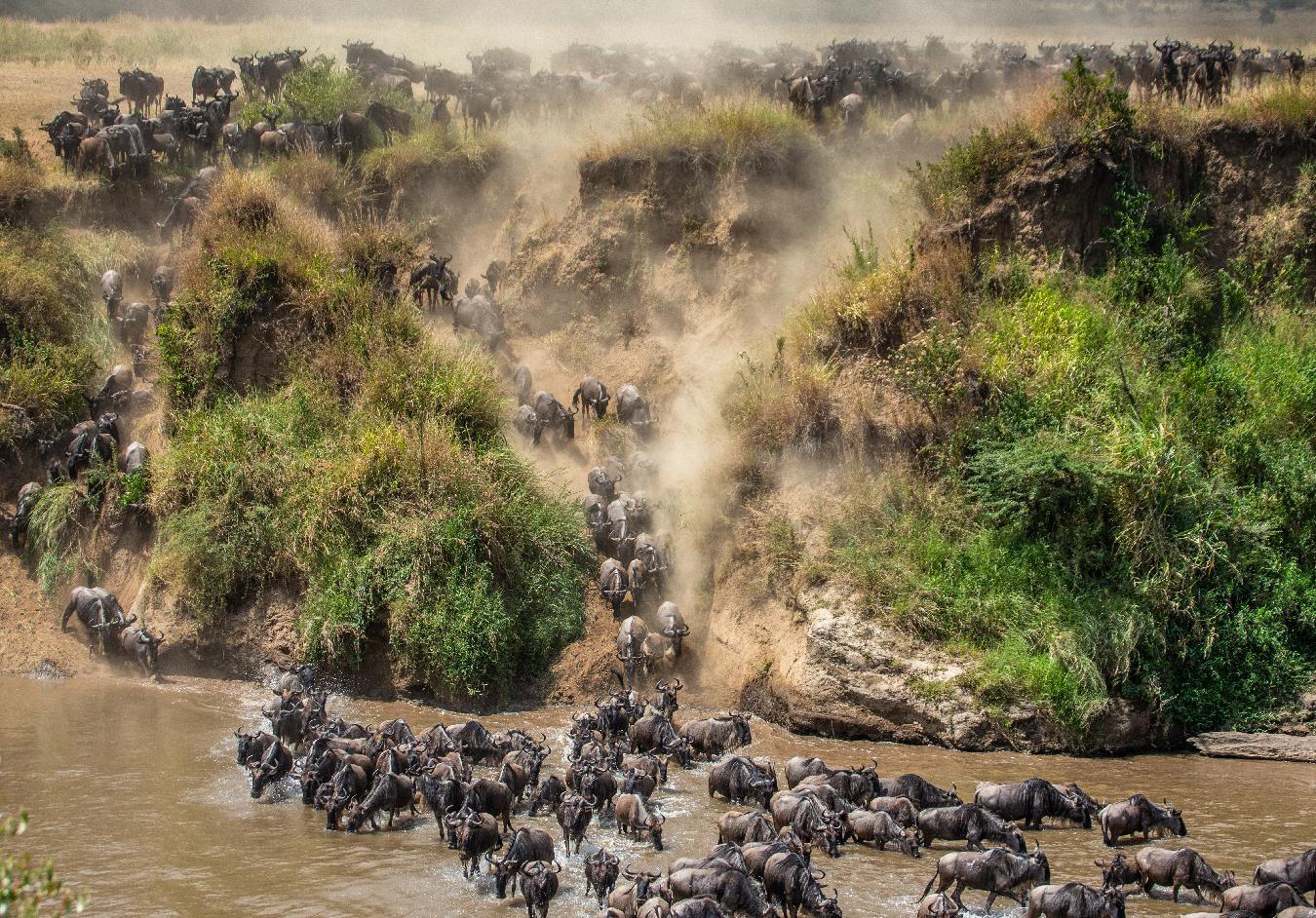
How Camptrek Plans a Migration-Focused Safari
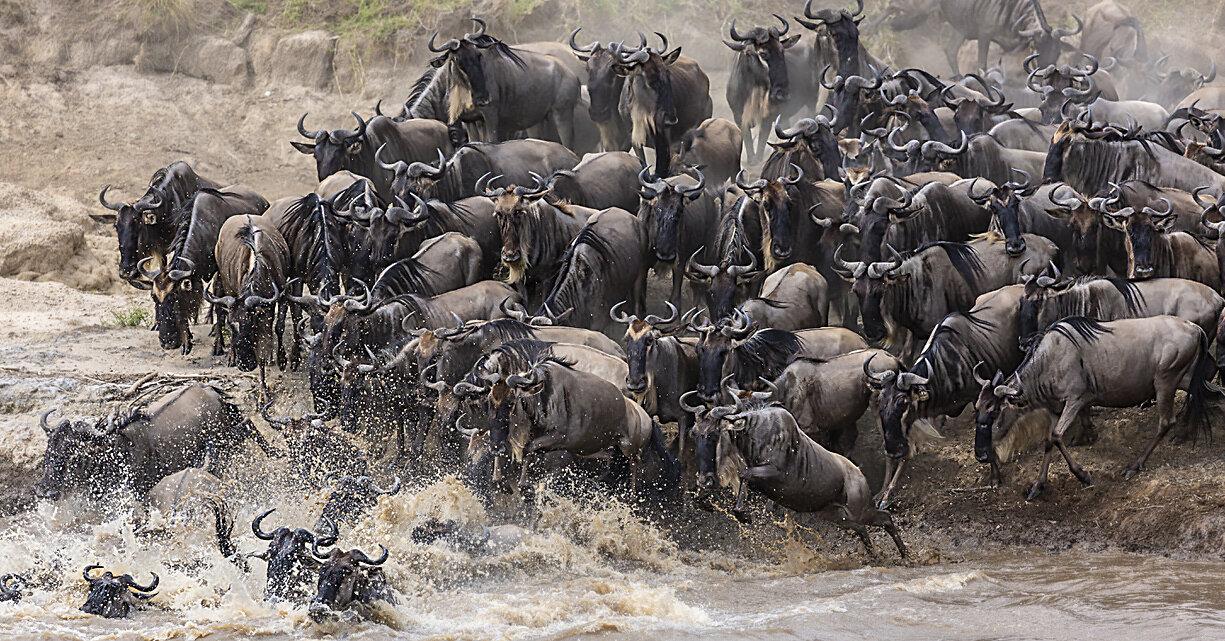
At Camptrek Safaris, when a traveller tells us, “The Great Migration is the main reason for my safari,” we design the itinerary around that objective.
For the appropriate migration season, one of our recommended approaches is to include 3 nights in the Maasai Mara and 2 nights in Northern Serengeti.
This is not a guarantee that a particular herd will be at a particular location or that a river crossing will occur during the traveller’s stay.
Migration movements vary with conditions, and wildlife does not follow a fixed timetable.
The purpose of this itinerary structure is to give travellers meaningful time in both parts of the Mara–Serengeti ecosystem and to position them in relevant areas during the appropriate season.
The Maasai Mara provides access to the Kenyan side of the ecosystem, while Northern Serengeti can provide access to areas relevant to the Mara River and surrounding migration activity when the seasonal movement is in that part of the ecosystem.
The key difference is that the itinerary is being designed around the Great Migration, rather than simply including the Serengeti as another destination.
Maximising Opportunity Without Overpromising
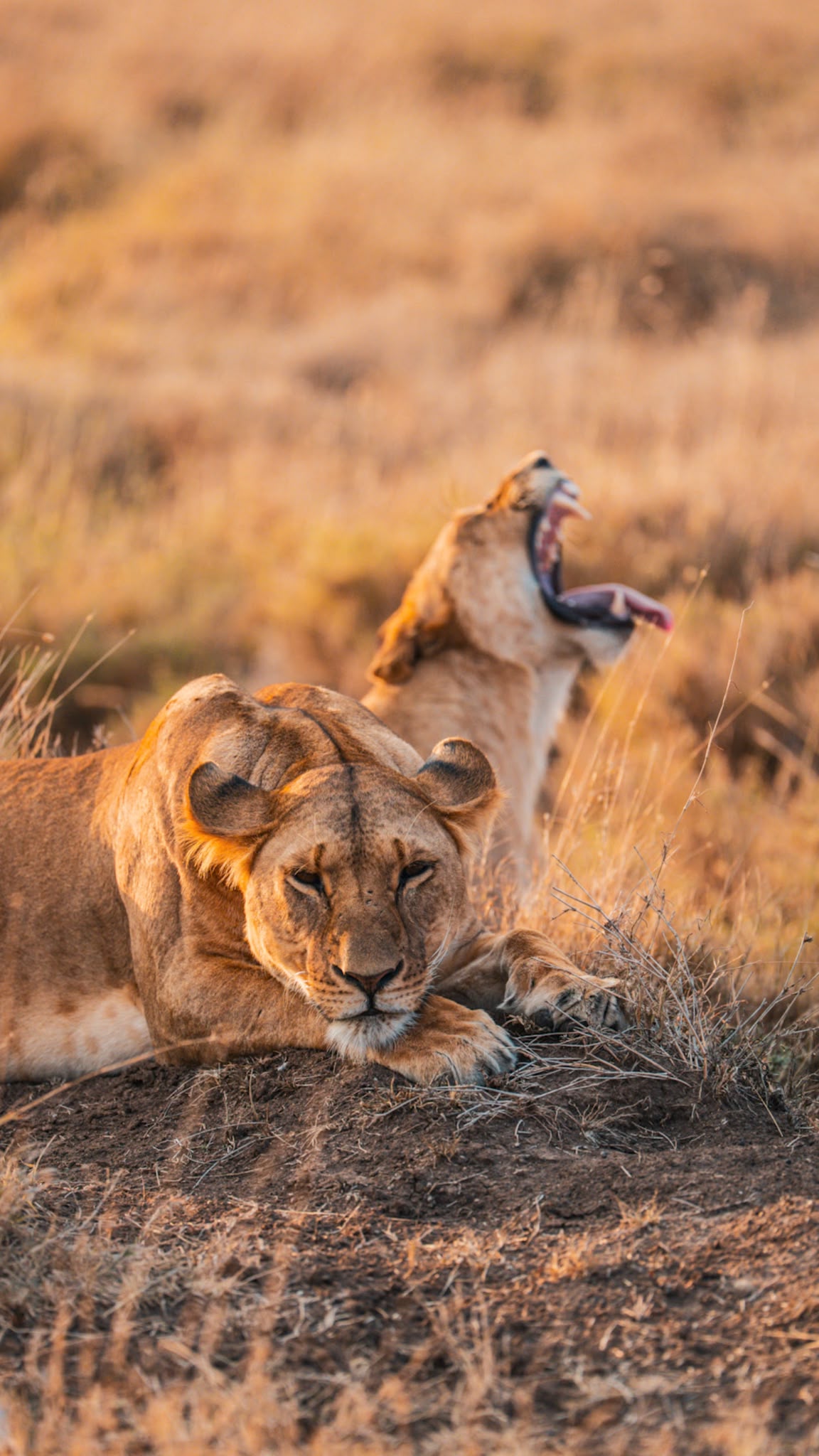
No responsible safari company can guarantee that a wildebeest will cross a river at the exact time a vehicle arrives.
Nature does not operate according to a schedule.
What Camptrek can do is listen to the traveller’s priorities, consider the season, select appropriate locations and structure the itinerary to maximise opportunities.
That distinction is important.
Luxury safari planning requires both ambition and honesty.
We want to design ambitious, carefully considered safaris while being transparent about what nature can and cannot guarantee.
Dreaming of your own Great Migration itinerary? Start planning your dates →
Accurate Itinerary Information Matters
Another important part of luxury safari planning is providing realistic information before the journey begins.
Travellers need to understand:
- How far they will travel.
- How long transfers are expected to take.
- Which routes will be used.
- Where border crossings take place.
- Which activities are included.
- Where meals will be taken.
- Which accommodation has been selected.
- How much time is available for each activity.
An itinerary should not simply look attractive on paper.
It should work in practice.
At Camptrek Safaris, we believe itinerary planning should consider the actual experience on the ground rather than simply listing destinations and calculating kilometres.
Time Buffers Can Protect the Safari Experience
Time management is another important lesson.
On one Lake Nakuru–Naivasha journey, an unexpected accident caused approximately a 30-minute delay while traffic was already very heavy.
Situations like this demonstrate why important activities should not be planned around the minimum possible travel time.
Where practical, we recommend building additional time into the day — for example, leaving around 30 minutes earlier than the minimum required departure time and aiming to reach an activity area approximately one hour earlier where appropriate.
The purpose is not to make travellers rush.
It is to create flexibility.
If traffic becomes heavier than expected, an accident occurs or another unforeseen delay affects the journey, the additional time can help absorb the disruption without immediately putting the day’s activities at risk.
Good safari planning does not assume everything will go perfectly.
It prepares for the possibility that something may not go according to plan.
Long Transfers, Hot Lunches and Better Timing
Long cross-border journeys are sometimes unavoidable, particularly when travelling between Tanzania and Kenya.
One good example is the journey from Tarangire to Namanga and onward to Amboseli.
At Camptrek Safaris, we plan this journey around the client’s comfort rather than simply calculating the driving distance.
When clients are travelling this route, we normally advise them to wake up early and be ready to leave around 6:30 a.m.
Starting early provides sufficient time to reach the Namanga border, complete border formalities and continue towards Amboseli with enough of the day remaining.
With this timing, clients can arrive in Amboseli in good time for a proper hot lunch at their lodge or camp.
If a traveller prefers to leave later, particularly after approximately 7:00 a.m., the day’s options change.
Rather than rushing the journey to try to reach Amboseli for lunch, we can discuss alternatives such as stopping in Arusha for a proper hot lunch, where appropriate, or carrying a packed lunch.
The important point is that these options should be considered and communicated in advance.
A packed lunch has an important place on safari. It can be appropriate during long game drives or journeys where returning to a lodge for lunch is impractical.
The issue is not whether a packed lunch is good or bad.
The issue is whether the traveller understands what to expect and whether the day’s timing has been planned properly.
Accommodation Should Match the Traveller’s Expectations
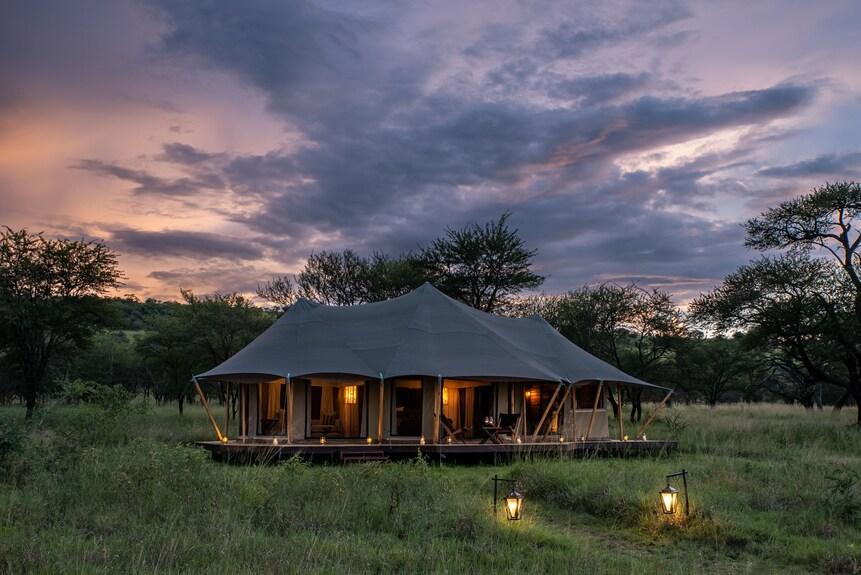
Accommodation is another major part of the luxury safari experience.
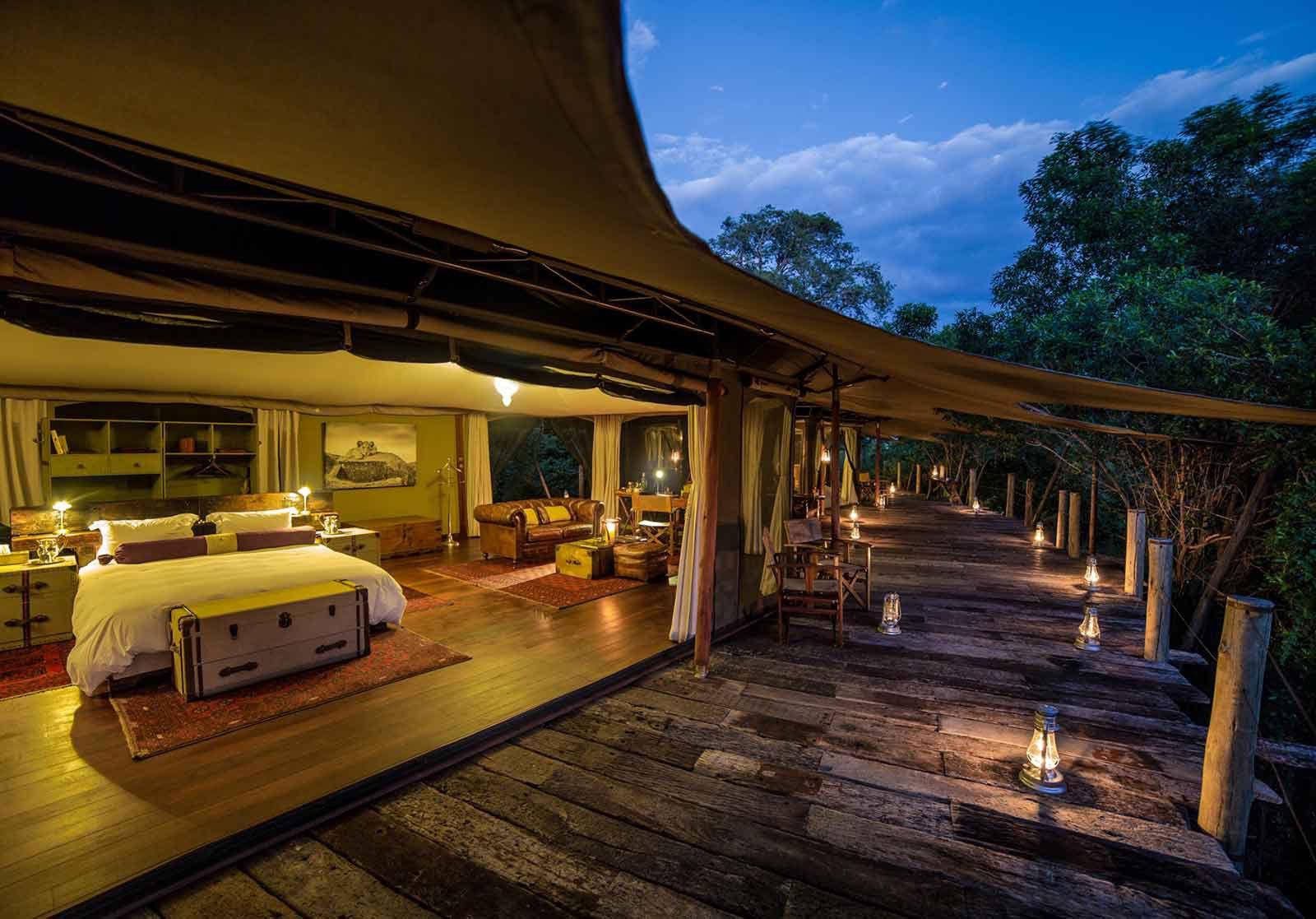
A traveller booking a luxury safari expects the accommodation to reflect the overall standard of the trip.
That includes:
- Room quality.
- Beds and bathrooms.
- Food.
- Location.
- Service.
- Cleanliness.
- Facilities.
- Overall atmosphere.
An alternative accommodation should not automatically be described as an “upgrade” simply because it has a different name or price.
The real question is whether it is appropriate for the client’s expectations and the experience they originally selected.
At Camptrek Safaris, accommodation selection is part of the safari design itself.
We consider not only the property but also its location, suitability for the itinerary and how it fits the experience the traveller wants.
The Guide Is at the Centre of the Safari
A luxury safari vehicle may be excellent.
The lodge may be exceptional.
The wildlife may be spectacular.
But the driver-guide is the person who brings these elements together.
A great guide should be able to:
- Identify wildlife.
- Explain animal behaviour.
- Share information about the ecosystem.
- Understand the client’s interests.
- Communicate clearly.
- Manage time.
- Anticipate problems.
- Recommend appropriate game-drive strategies.
- Understand when clients want to continue or finish an activity.
- Represent the safari company professionally.
For many travellers, the guide becomes one of the most memorable people they meet during their journey.
That is why guide selection is an important part of our planning process.
Communication Is Particularly Important
Communication is one of the most important elements of a private luxury safari.
At Camptrek Safaris, we understand that the right driver-guide can make a significant difference to the overall experience.
Our driver-guides are trained to communicate professionally with international travellers and to share their knowledge of wildlife, conservation, culture, history and the destinations they visit.
We also recognise that travellers are most comfortable when they can communicate naturally and confidently with their guide.
That is why we encourage clients to tell us their preferred language when making their safari enquiry.
If you require an English-speaking, German-speaking, Spanish-speaking or Italian-speaking guide, we take this preference into consideration when selecting the appropriate trained driver-guide for your safari.
This is particularly important on a private safari because the guide is not simply the person driving the vehicle.
They are the person who spends each day with the traveller, understands what they want to experience and helps bring the itinerary to life.
If the Great Migration is your priority, your guide should understand that.
If you are passionate about photography, wildlife, birds, conservation, culture or history, your guide should be able to engage with those interests.
Rather than assigning a guide simply because they are available, we look at the requirements of the safari and work to match the traveller with a suitable trained driver-guide.
At Camptrek Safaris, choosing the right guide is part of designing the safari — not something we leave to chance.
Want a guide matched to your interests? Tell us what excites you →
Guide Training and Continuous Improvement

Even experienced guides benefit from continuous training.
Safari guiding involves much more than wildlife identification.
Guides should continue developing their knowledge of:
- Wildlife behaviour.
- Conservation.
- Geography.
- Local communities.
- History and culture.
- Client service.
- Communication.
- Safety.
- Photography opportunities.
- Time management.
- Activity coordination.
At Camptrek Safaris, we believe regular guide development and service reviews help maintain the standard our clients expect.
The objective is not simply to identify mistakes.
It is to create a culture where guides continue learning and improving.
Wildlife Knowledge and Expectations
Clients understandably want to see extraordinary wildlife during a safari.
However, wildlife sightings cannot be guaranteed.
A safari guide can spend considerable time searching for a particular animal and still not find it.
That is part of travelling through a natural ecosystem.
What clients should expect, however, is genuine effort and good communication.
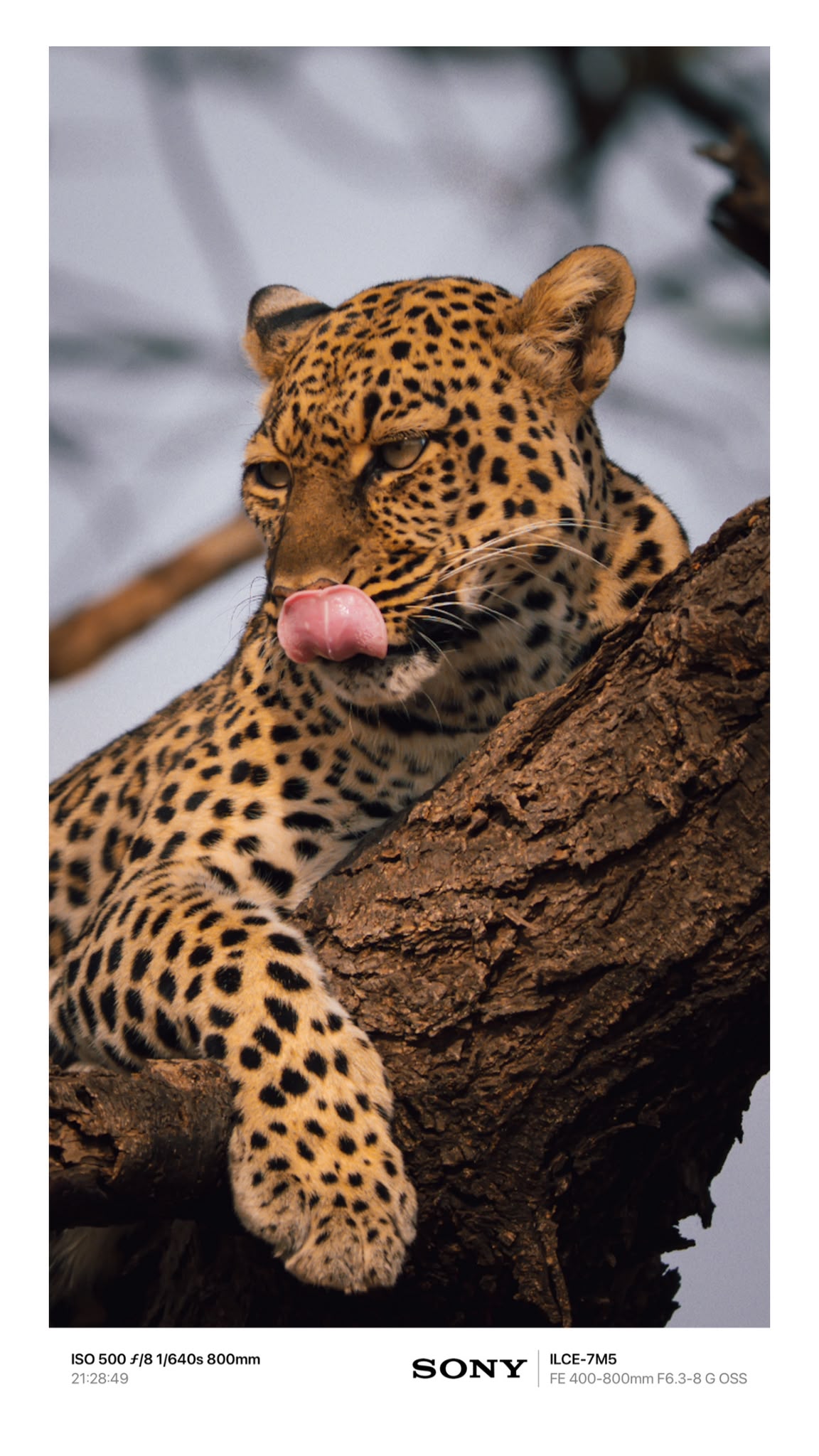
If a traveller has specifically asked to look for rhinos, lions, leopards or another species, the guide should explain what they are doing, communicate the conditions and make reasonable efforts to search in suitable areas.
The experience is therefore not only about whether the animal appears.
It is also about the knowledge, communication and effort surrounding the search.
Balloon Safaris: Know What You Have Booked
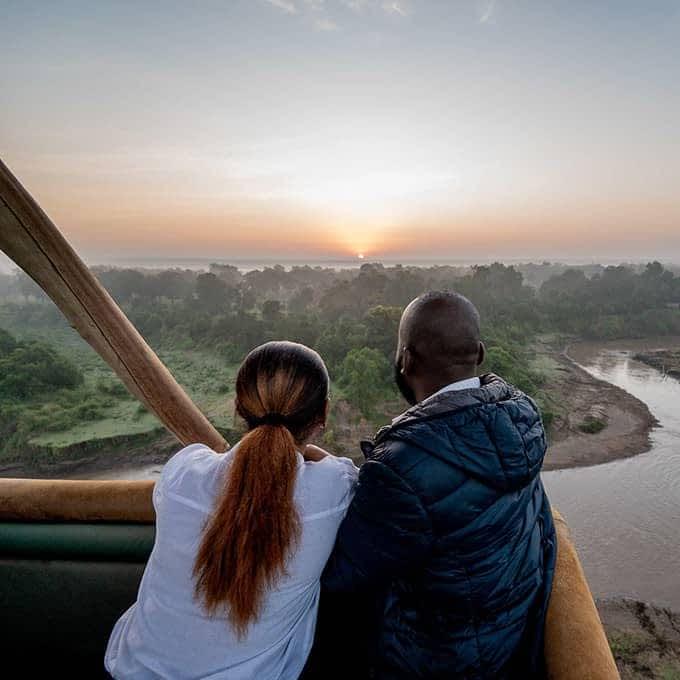
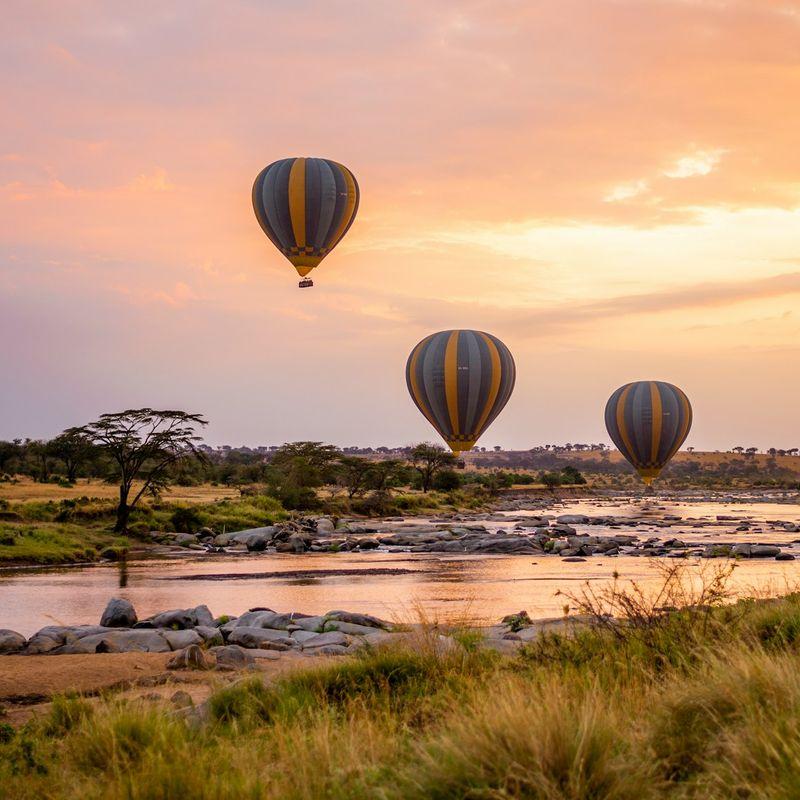
Balloon safaris are among the memorable experiences available in Kenya and Tanzania.
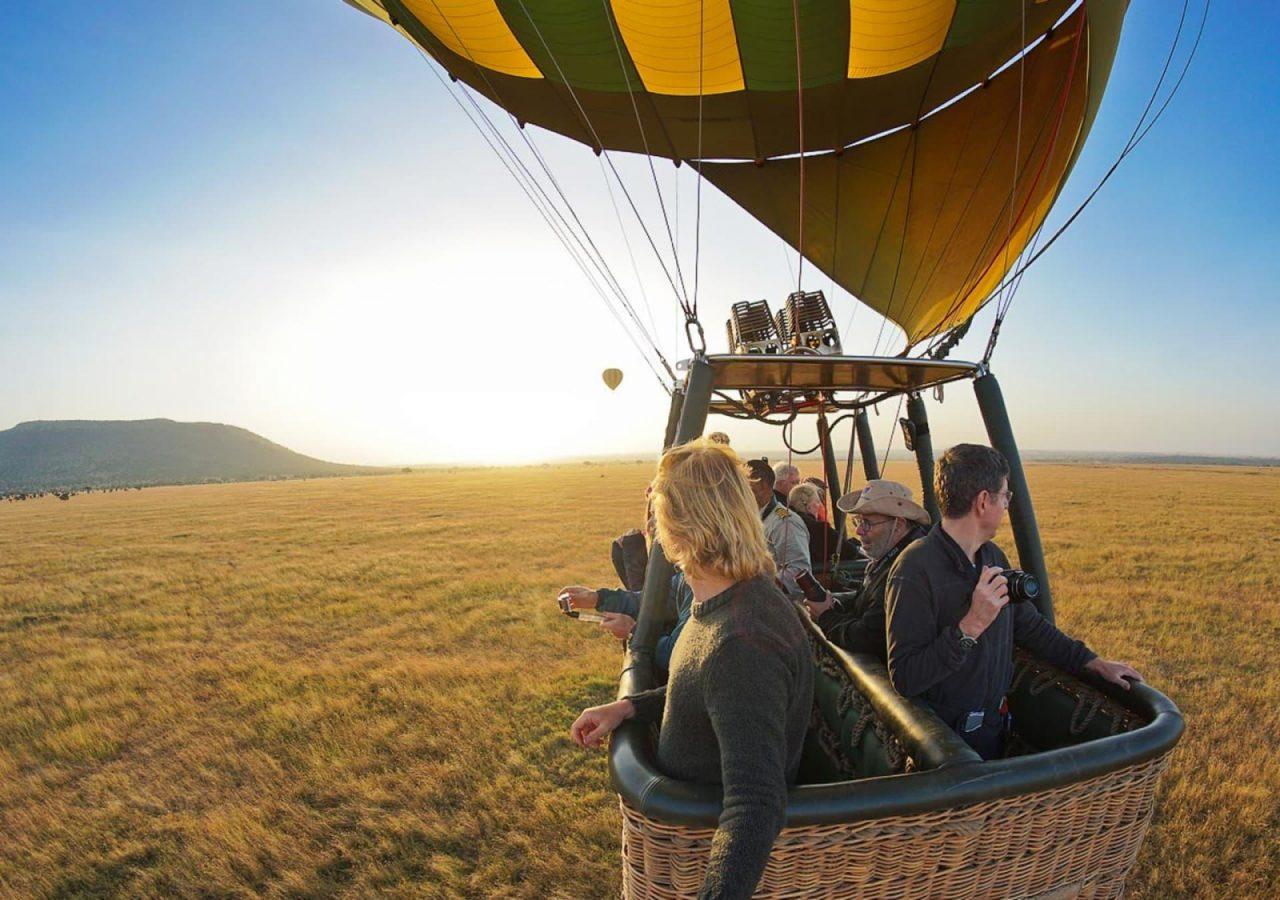
Travellers should understand what they have booked and what happens if an activity is significantly shorter than expected.
For example, if a client books a balloon safari expecting a flight of at least approximately one hour and the actual flight lasts only around 20–22 minutes, the matter should be raised immediately.
What should you do?
- Speak to your tour guide or driver-guide immediately.
- Ask the balloon operator why the flight was shortened.
- Contact your safari company while you are still on safari.
- Keep your booking information, receipts or vouchers.
- Ask for the actual flight duration and the reason for the early termination.
Do not wait until you return home if something appears significantly different from what you understood you had booked.
Reporting the matter immediately gives the safari company an opportunity to investigate while the details are still fresh.
However, a shortened balloon flight does not automatically mean that a refund or compensation is due.
Balloon operations can be affected by weather and safety conditions, including wind. The pilot has a responsibility to terminate a flight when continuing would be unsafe.
The important principle is simple:
If an activity does not match what you understood you had booked, speak to your guide or contact your safari company immediately.
Rest Stops Should Feel Like Rest Stops
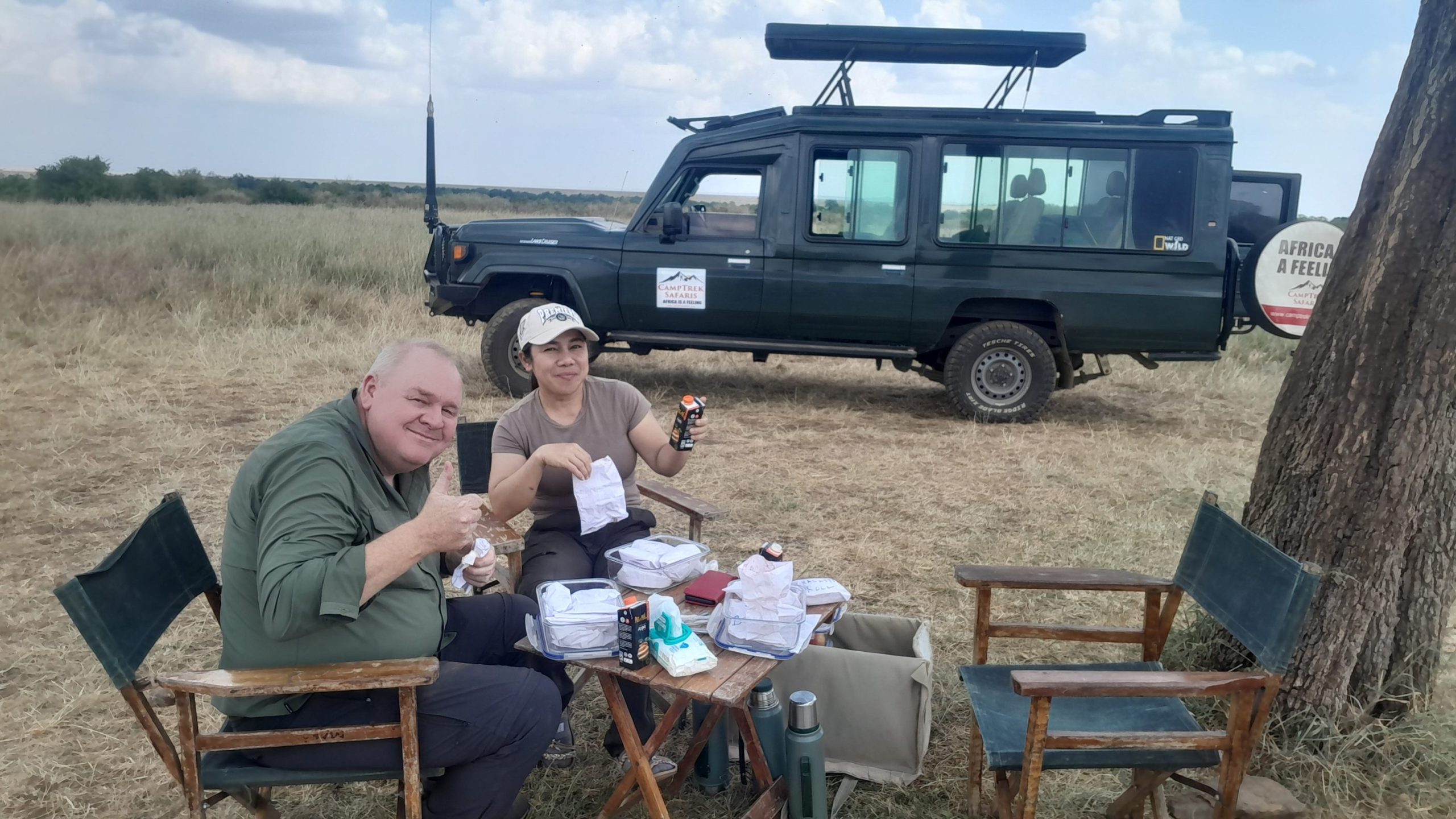
On a long safari drive, restroom and refreshment stops are an important part of the journey.
For a luxury safari, even these small details should be considered carefully.
At Camptrek Safaris, we deliberately choose clean, secure and well-maintained facilities, including suitable shopping malls and established rest points, when planning longer journeys.
We often prefer suitable malls or established facilities because they generally provide travellers with better-maintained washrooms, places to sit and stretch, restaurants or cafés, and a more comfortable environment for taking a break from a long drive.
We also avoid stopping at petrol stations simply because they happen to be along the route.
While petrol stations can be convenient, the quality and maintenance of their facilities can vary, and they may not always provide the level of comfort we want for clients travelling on a private luxury safari.
Our approach is to consider where the client will be most comfortable, rather than simply choosing the closest possible stop.
Where a suitable mall or established rest facility is available, travellers can use clean facilities, have refreshments, stretch their legs and take a proper break before continuing the journey.
Shopping is never the reason for making a rest stop.
If a traveller wishes to browse or purchase something, that is entirely their choice.
For us, this is another example of how careful planning extends beyond the headline attractions of a safari.
Service Recovery Matters
Even the best-planned safari can encounter an unexpected problem.
What matters is how the safari company responds.
Good service recovery involves:
- Listening to the client.
- Establishing what actually happened.
- Checking the itinerary and supplier records.
- Speaking with the guide or relevant team.
- Contacting suppliers when necessary.
- Finding a practical solution.
- Communicating honestly with the client.
- Learning from the experience.
At Camptrek Safaris, when a client raises a concern, we believe it should be investigated rather than simply dismissed.
This may involve reviewing the matter with guides, reservations, operations teams and suppliers to understand what happened and determine what can be improved.
Where appropriate, the response may involve adjusting the remaining itinerary or arranging an alternative service so that the client can continue their safari comfortably.
A complaint does not have to be the end of the relationship.
Handled professionally, it can become an opportunity to rebuild trust and improve the way future safaris are delivered.
What Client Feedback Teaches Us About Luxury Safari Planning
Looking across different client experiences, several principles consistently stand out:
- Listen to the reason behind the booking. If the Great Migration is the priority, build the itinerary around it.
- Be precise about location. “Serengeti” alone may not tell a traveller enough about where they will actually be staying.
- Build realistic time buffers. Important activities should not depend on perfect traffic or exact arrival times.
- Plan meals as part of the journey. Long transfers require deliberate decisions about when and where clients will eat.
- Match the guide to the traveller. Language, interests, communication style and safari objectives all matter.
- Set realistic wildlife expectations. Maximise opportunities without promising what nature cannot guarantee.
- Make changes transparent. Alternatives should be explained clearly and should remain appropriate to the client’s expectations.
- Respond quickly when something goes wrong. Early intervention gives everyone more options.
- Follow financial matters through to completion. Refunds and credits are part of service, not an administrative afterthought.
- Use feedback to improve. The value of a complaint is ultimately measured by what the company learns from it.
These principles are at the heart of how we continue to refine our safari planning.
A Safari Should Be Designed Around the Traveller
No two travellers are exactly the same.
One client may want to spend hours photographing elephants.
Another may want to focus on the Great Migration.
Another may be interested in birds, conservation, history or local culture.
A family may need a slower pace, while a photographer may want early starts and longer game drives.
That is why we do not believe a luxury safari should simply be a standard itinerary with a luxury lodge added to it.
The planning should begin with the traveller.
What matters most to them?
What do they want to see?
How do they like to travel?
What level of accommodation do they expect?
Which languages do they speak?
What pace suits them?
Which experiences are essential?
Once those questions are understood, the itinerary can be built around the experience rather than the other way around.
Our Commitment to Better Safari Experiences
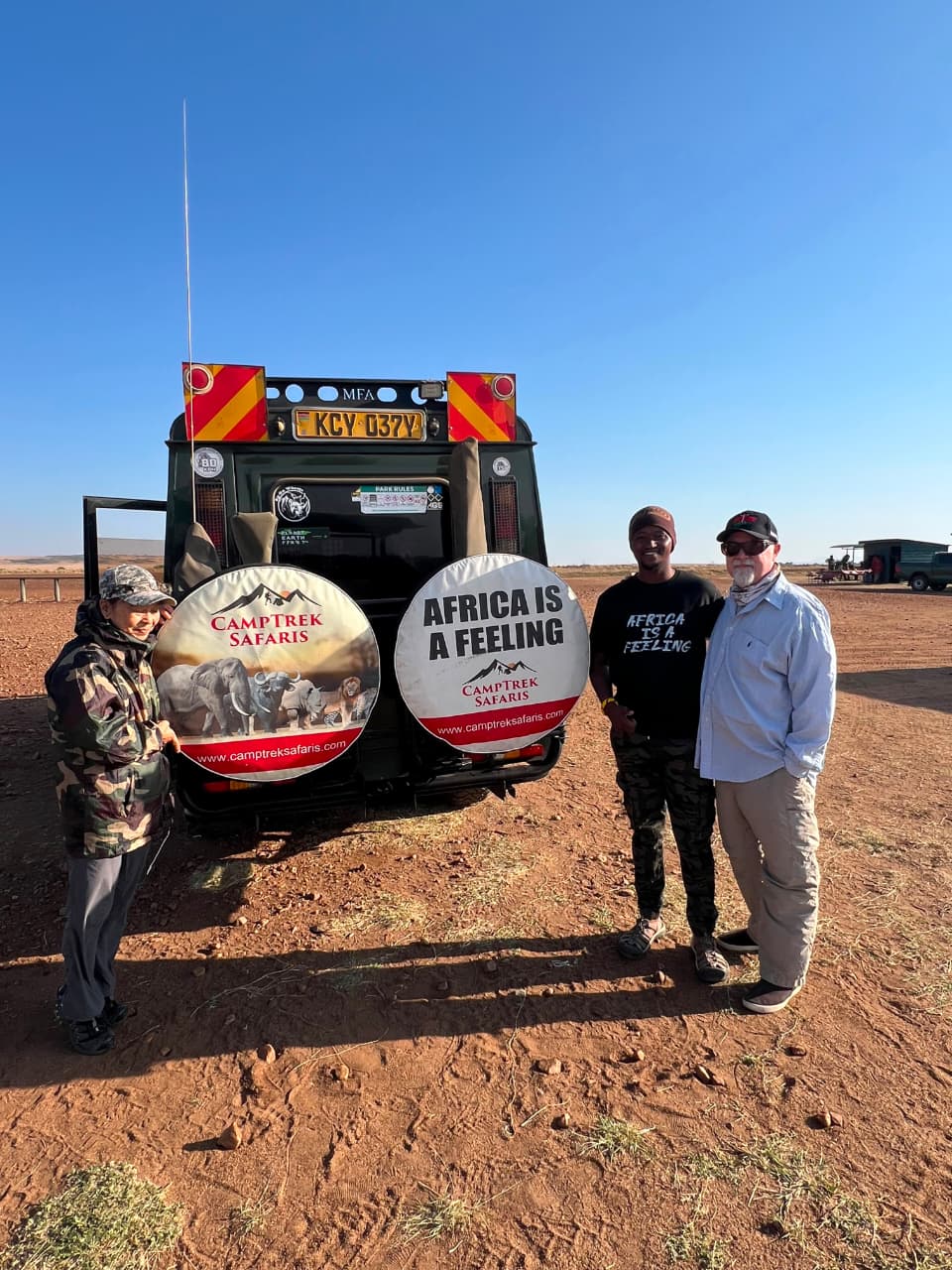
At Camptrek Safaris, we understand that travellers place considerable trust in us when they book a safari.
They are trusting us with their holiday, their money, their time and often a once-in-a-lifetime experience.
That responsibility means we must continue to listen.
Client feedback helps us identify where communication can be clearer, where planning can be stronger and where service can be improved.
Our ongoing focus includes:
- More accurate itinerary planning.
- Better communication of traveller preferences to guides.
- Careful migration-focused itinerary design.
- Stronger time buffers for important activities.
- Better planning of long cross-border journeys.
- Continued guide training and service reviews.
- Careful matching of guides to traveller interests and language requirements.
- Stronger coordination with accommodation and activity suppliers.
- Faster escalation when concerns are raised during a safari.
- Proper follow-up of refunds, credits and supplier recoveries.
For us, continuous improvement is not about claiming that every safari will be perfect.
It is about being prepared, listening carefully and responding professionally when circumstances change.
Before You Book Your Safari, Ask the Right Questions
Travellers can also protect their experience by asking detailed questions before booking.
If the Great Migration is your priority, ask:
- Where will I stay during the relevant migration period?
- Is the accommodation in Northern or Central Serengeti?
- How many nights will I spend in the migration area?
- How has the itinerary been designed around seasonal movement?
- What opportunities will the itinerary provide?
- What happens if the migration moves?
For important activities, ask:
- How long is the activity expected to last?
- What happens if weather affects the activity?
- Is the activity operated by a third-party supplier?
- What is included?
For long travel days, ask:
- How long is the transfer?
- Will lunch be at the lodge or packed?
- Are suitable rest stops planned?
- What time will we leave?
- What time are we expected to arrive?
- What alternatives are available if we leave later?
Most importantly, make sure the safari company understands why you are travelling and what matters most to you.
Final Thoughts
A luxury safari is not defined only by the number of stars attached to a lodge.
It is defined by the quality of the journey behind those stars.
It is the right location.
The right timing.
The right guide.
The right accommodation.
The right communication.
The right level of flexibility.
And the ability to respond professionally when something does not go according to plan.
Client feedback has reinforced an important principle for us at Camptrek Safaris:
Luxury is not simply what you book. It is how thoughtfully the entire journey is planned and delivered.
We believe in designing ambitious safaris while being honest about what can and cannot be guaranteed.
We believe the right guide should be selected deliberately.
We believe long transfers should be planned around comfort.
We believe important client preferences should influence the itinerary.
And we believe that when something does not go as expected, listening and responding properly matters.
Ready to Plan Your Safari?
If you are considering a luxury safari in Kenya, Tanzania, Rwanda or Uganda, tell us what you want your safari to be about.
Whether your priority is the Great Migration, exceptional wildlife, photography, conservation, culture, family travel, a honeymoon or simply experiencing Africa in exceptional comfort, our team can design the journey around your priorities.
We can help you consider the right destinations, seasonal timing, accommodation, private guides, internal logistics, activities and travel pace — rather than simply sending you a standard itinerary.
Your safari should be designed around you.
Tell us where you want to go, when you want to travel and what matters most to you.
Camptrek Safaris Luxury Africa Safaris | Private & Tailor-Made Journeys Africa is a Feeling.