
Gorilla Trekking in Rwanda & Uganda: The Complete 2026/2027 Guide
Parks, permit prices, rules, and what the trek is actually like — updated for 2026 and 2027 travel.
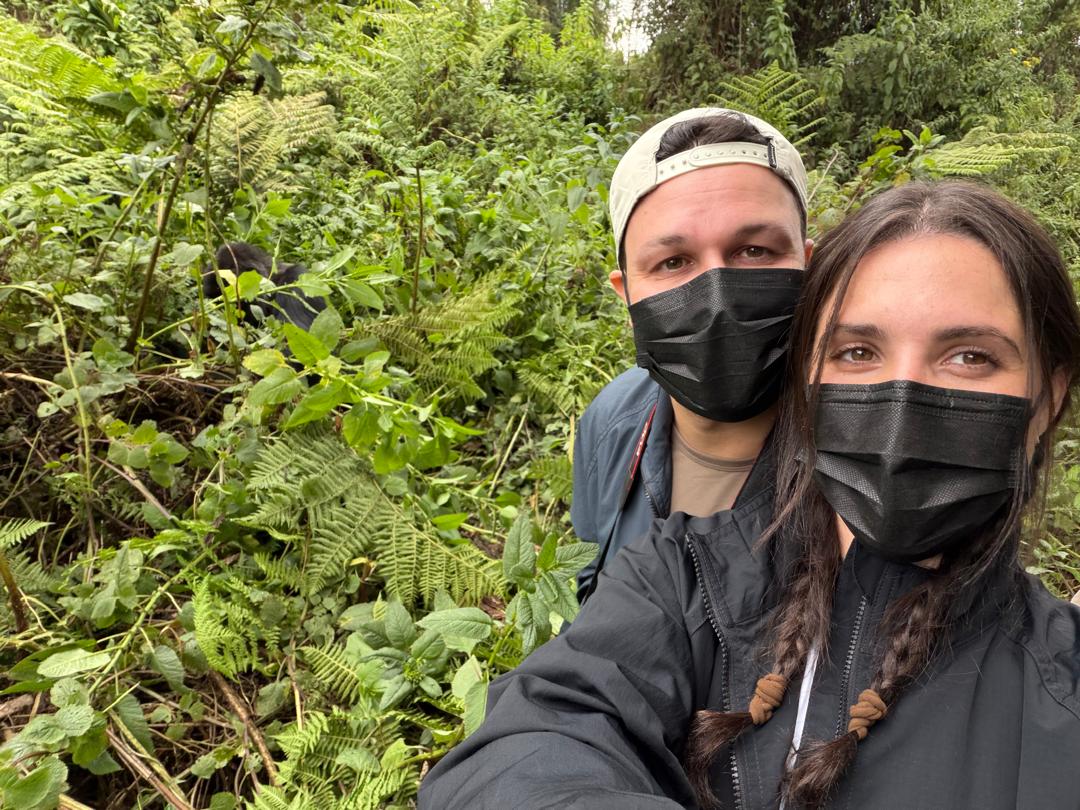
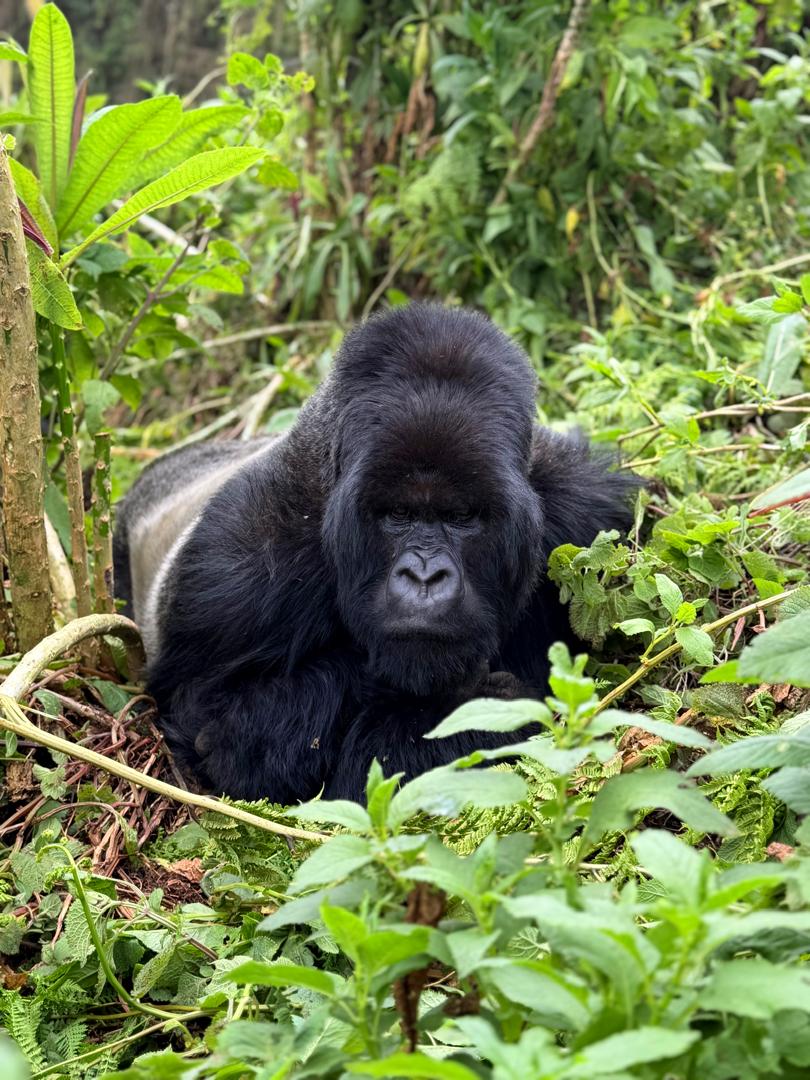
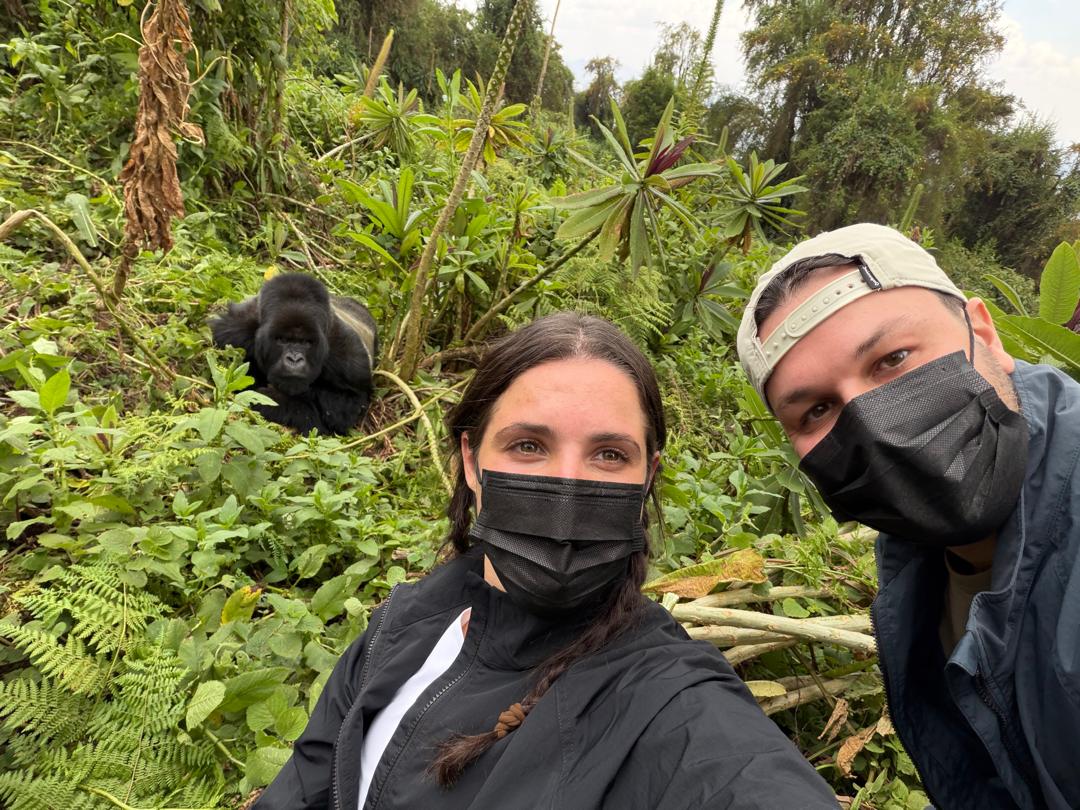
There’s a moment on every gorilla trek — usually right after your guide raises a fist and whispers “they’re here” — when the forest goes quiet. Then the undergrowth moves, and a 200-kilogram silverback is looking straight at you from a few metres away. Photos and documentaries don’t prepare you for it. That moment is why gorilla trekking has become one of the most in-demand wildlife experiences in East Africa, and why we at CampTrek Safaris build entire itineraries around it.
This guide covers what our guests actually ask us before booking a trek in Rwanda or Uganda for 2026 or 2027: where the gorillas live, what a permit costs, how the two countries compare, the rules rangers enforce on the ground, and what to expect on the day.
Where the Gorillas Live: The National Parks
Mountain gorillas (Gorilla beringei beringei) survive in only two isolated ecosystems on Earth, across three countries. Every trek takes place in one of these:
Volcanoes National Park, Rwanda — the Rwandan end of the Virunga Massif, a chain of volcanic peaks shared with Uganda and the Democratic Republic of Congo. It’s about a two-and-a-half-hour drive from Kigali International Airport, and treks here tend to be shorter on average because several habituated families sit closer to park headquarters.
Bwindi Impenetrable National Park & Mgahinga Gorilla National Park, Uganda — Bwindi is a UNESCO World Heritage-listed rainforest in southwestern Uganda that alone holds roughly half of the world’s mountain gorillas. Mgahinga is Uganda’s smaller share of the Virunga volcanoes, bordering Rwanda’s Volcanoes National Park directly. Bwindi’s terrain is older, denser rainforest, and treks there are often longer and steeper than in Rwanda — Lonely Planet’s guide to Uganda gorilla treks covers this well.
The Gorillas Themselves: Population & Conservation Status
Mountain gorillas are one of the few real conservation success stories on the continent, and the numbers are worth knowing precisely.
At the last full census, the global mountain gorilla population stood at approximately 1,063 individuals: 604 in the Virunga Massif (Rwanda, Uganda, and DR Congo) and 459 in the Bwindi–Sarambwe ecosystem, up from 400 at the previous Bwindi count (Dian Fossey Gorilla Fund census results). A new Bwindi–Sarambwe count began fieldwork in 2025, so this figure may be updated before your 2026/2027 trip — we’ll keep this page current as results are published (International Gorilla Conservation Programme).
That growth is why, in November 2018, the IUCN downlisted the mountain gorilla from Critically Endangered to Endangered on the Red List — still a serious threat category, but one of the only times a great ape’s status has improved, driven largely by the anti-poaching patrols and habitat protection that trekking permit fees fund directly.
What a Trek Actually Involves
Briefings at park headquarters start around 7:00–7:30 am, where rangers assign your group to a habituated gorilla family based on fitness level and that family’s last known location. From there you hike with an armed ranger and trackers — anywhere from 30 minutes to several hours, depending on terrain and how far the gorillas moved overnight.
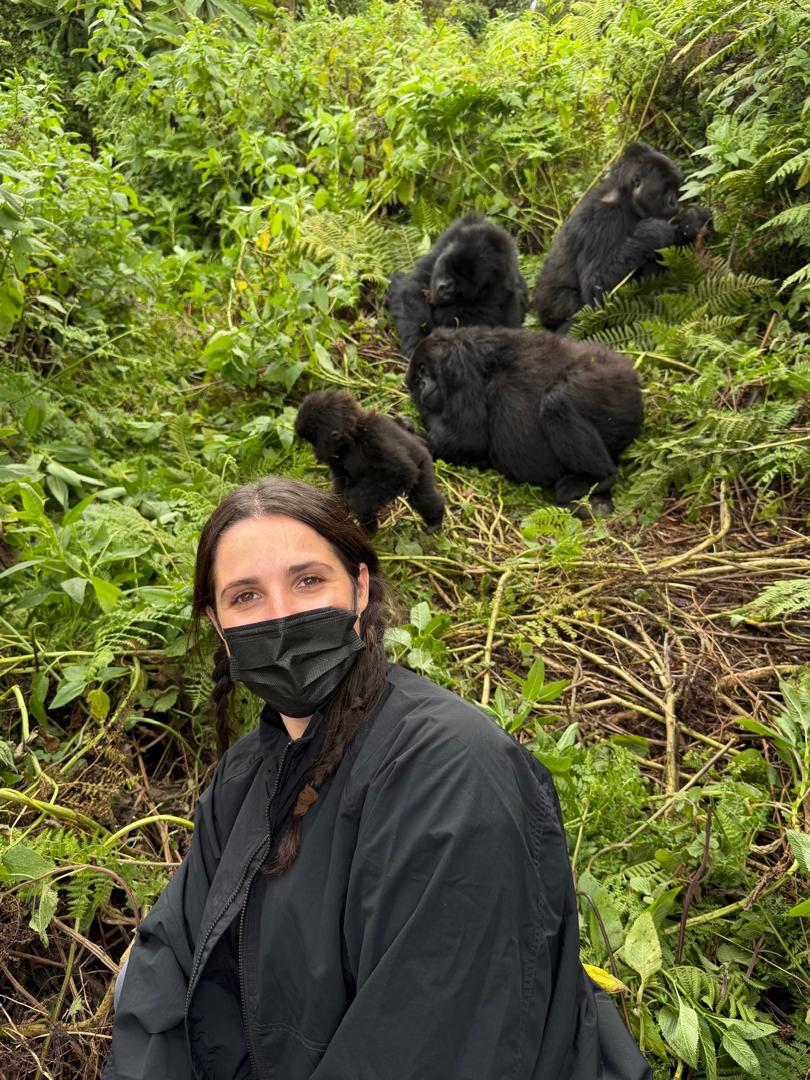
Once you find them: rangers cap each group at a maximum of 8 visitors per gorilla family per day, keep visitors roughly 7–10 metres back (the exact distance is enforced by the ranger on the day and has tightened at times for disease-prevention reasons, since gorillas can catch human respiratory illnesses), and allow up to one hour once the family is located (Uganda Wildlife Authority). That hour moves fast — silverbacks the size of a large man sit chewing bamboo shoots a few metres from your boots, juveniles wrestle and beat their chests in miniature, mothers nurse infants without a glance in your direction. It’s the part of the trip guests tell us they replay for years afterward.
Who Can Go
The minimum age for gorilla trekking is 15 years old in both Rwanda and Uganda, checked by passport at the park gate on the morning of your trek, not at booking (Volcanoes National Park). Rwanda does not publish any exception to this. Uganda’s rules allow a narrow, written exception for a 14-year-old turning 15 within the same year, with parental documentation and UWA approval in advance — but this isn’t something to plan a trip around, since approval isn’t guaranteed (more detail on the age rule). Beyond age, reasonable fitness matters most: treks can mean hiking above 2,300 metres altitude on uneven volcanic or forest ground, so tell us honestly about mobility when you book.
Permit Costs: Rwanda vs. Uganda for 2026 and 2027
This is usually the first question every guest asks, and Rwanda and Uganda sit at opposite ends of the market on purpose.
| Country | Permit type | Price |
|---|---|---|
| Rwanda | Standard gorilla permit (per person) | US $1,500 |
| Rwanda | Exclusive private family booking | US $15,000 |
| Uganda | Foreign non-resident, high season | US $800 |
| Uganda | Foreign non-resident, low season (Apr, May, Nov) | US $600 |
| Uganda | Foreign resident, high / low season | US $700 / US $500 |
| Uganda | East African citizen | UGX 300,000 (≈ US $80) |
Rwanda’s price is set by the Rwanda Development Board and has held at this rate since 2017, with a 30% discount for visitors combining their trek with three or more days at Nyungwe or Akagera National Parks, and 15% off for conference delegates extending their stay. Uganda’s tariff comes from the Uganda Wildlife Authority’s official conservation tariff, already bundling the guide fee, park entrance, and community development contribution into the permit price.
Bottom line: Uganda runs roughly half the price of Rwanda for the same hour with the gorillas, which is why we often build multi-country itineraries that let travelers do both on one trip.
Best Time to Go
Both countries have two drier windows that make trekking noticeably easier: June to September and December to February. Rain falls year-round in these rainforest and volcanic ecosystems, but trails firm up during these months. Uganda’s low-season discount months (April, May, November) fall in the wetter stretch — a reasonable trade if you’re trekking on a tighter budget and don’t mind muddier boots.
Rwanda or Uganda — Which Should You Choose?
Choose Rwanda if you want the shortest travel time from the airport, generally shorter treks, and don’t mind paying a premium for convenience and Rwanda’s well-developed luxury lodge scene around Volcanoes National Park.
Choose Uganda if budget matters, you want a longer, more physically immersive rainforest trek through Bwindi, or you’re combining gorillas with Uganda’s other wildlife — tree-climbing lions, chimpanzees, and the source of the Nile are realistic add-ons to the same trip (National Geographic’s overview of trekking logistics in both countries).
Do both if your schedule allows 10 days or more: the Rwanda–Uganda border near the Virunga volcanoes is a short, scenic drive, and it’s a route we plan often for exactly this reason.
Frequently Asked Questions
How much does gorilla trekking cost in 2026 and 2027?
A standard Rwanda permit is US $1,500 per person. Uganda runs US $800 in high season and US $600 in the April/May/November low season for foreign non-residents. Both prices are confirmed current for 2026; always reconfirm before paying for a 2027 trek, since Uganda’s tariff period runs through June 2026 and could be revised after that.
Is Rwanda or Uganda better for gorilla trekking?
Neither is objectively “better” — Rwanda offers shorter treks and easier airport access at a higher price; Uganda offers a longer, more immersive rainforest trek at roughly half the cost. Many of our guests combine both on a single trip.
How difficult is gorilla trekking?
It varies by day and by which family you’re assigned. Expect anywhere from 30 minutes to several hours of hiking at altitudes above 2,300 metres, often on steep, muddy, or uneven ground. Reasonable fitness is more important than age or experience — tell your operator honestly about your mobility when booking.
How long do you spend with the gorillas?
Up to one hour once your group locates a habituated family, with rangers keeping visitors roughly 7–10 metres back.
What age can you go gorilla trekking?
15 years old in both Rwanda and Uganda, verified by passport at the park gate on the morning of the trek. Uganda allows a narrow, pre-approved exception for a 14-year-old turning 15 that year; Rwanda does not.
Is gorilla trekking safe?
Yes, for both you and the gorillas, when you follow ranger instructions — that’s the reason for the distance and group-size rules. The bigger real risk is the physical demand of the hike itself rather than the gorillas, who are habituated and generally calm around visitors who keep their distance and stay quiet.
Plan Your Trek With CampTrek Safaris
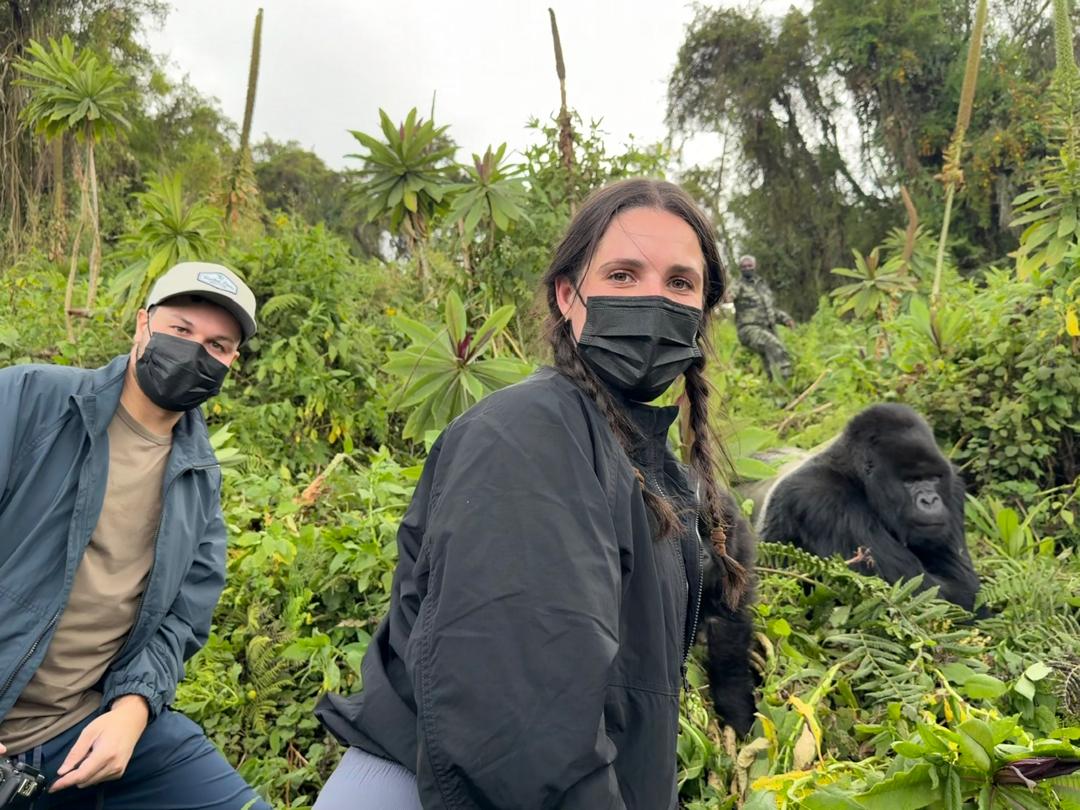
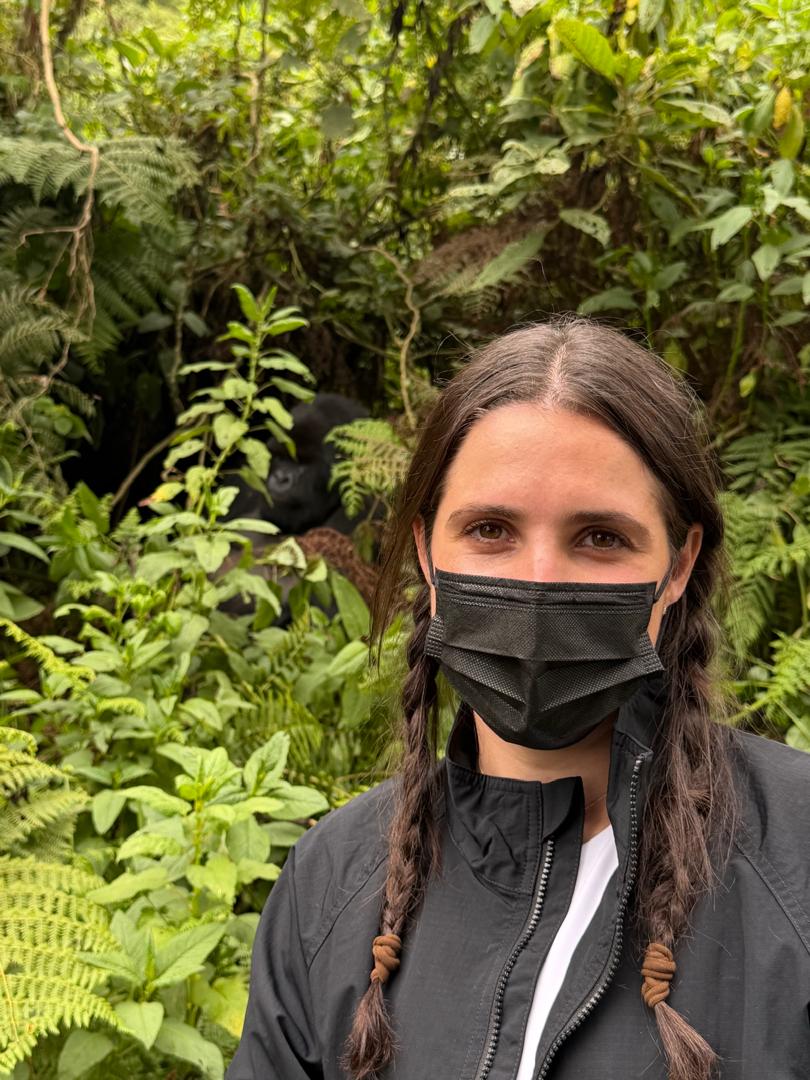
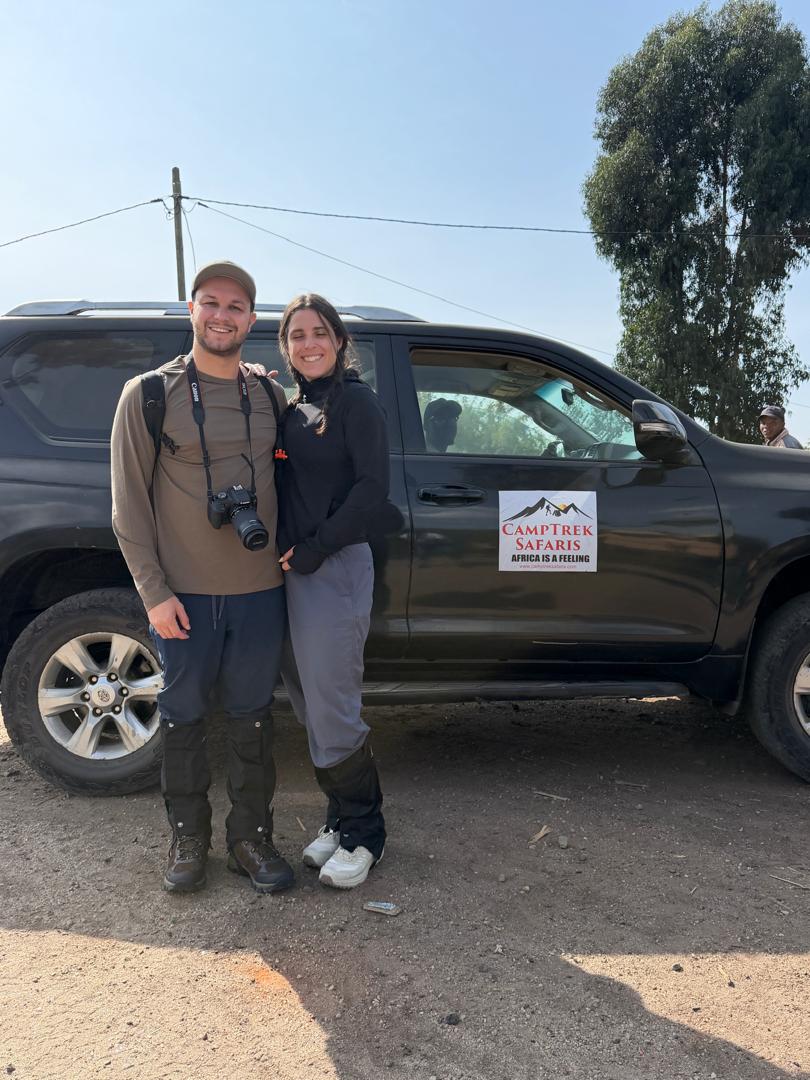
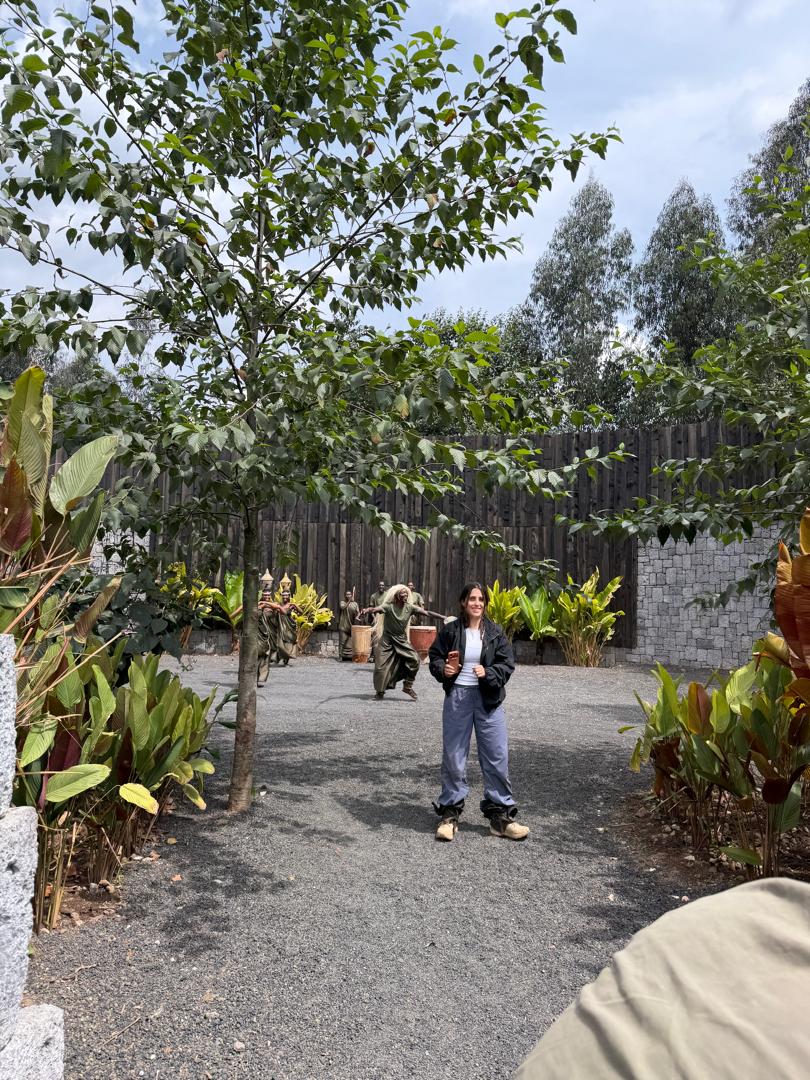
The photos in this guide are from real CampTrek Safaris treks in the Virunga Massif — not stock images. We handle permit booking, park logistics, accommodation, and the border crossing if you’re doing both countries.
Get in touch through camptreksafaris.com to start planning your 2026 or 2027 gorilla trek in Rwanda or Uganda.
Sources & further reading (permit prices and rules should always be reconfirmed at time of booking, since tariffs and protocols do change):
- Rwanda Development Board — official gorilla permit tariff
- Uganda Wildlife Authority — official 2024–2026 conservation tariff (PDF)
- Uganda Wildlife Authority — gorilla tracking activity page
- Dian Fossey Gorilla Fund — mountain gorilla census results
- International Gorilla Conservation Programme — new Bwindi–Sarambwe census
- IUCN — mountain gorilla Red List downlisting announcement
- Volcanoes National Park — age limit rules
- Gorilla trekking age limit and group-size rules
- National Geographic — seeing mountain gorillas in Rwanda and Uganda
- Lonely Planet — guide to gorilla treks in Uganda