
Beyond Safari: Authentic Kenyan Experiences Meet Smart AI Travel Planning
Ask someone to picture Kenya and they’ll likely describe a safari vehicle, a lion in tall grass, the Great Migration crossing the Mara River. That image isn’t wrong — but in 2026, it’s incomplete. Kenya is becoming a destination defined as much by culture, coastline, and community as by wildlife — and increasingly, it’s AI that’s helping travelers discover all of it in one trip.
Why Travelers Want More Than a Photograph
The way people travel is changing. Where tourists once focused on ticking off landmarks, today’s traveler wants stories, connections, and experiences that stay meaningful after they go home. That shift toward authentic travel favors destinations with genuine depth to offer — and Kenya has plenty.
Safari, Reimagined
Kenya remains one of the world’s leading safari destinations, home to the Great Migration, the Big Five, and rare wildlife across its northern reserves. But the safari experience itself is evolving. Modern travelers want more than wildlife viewed from a vehicle window — they’re drawn to guided conservation experiences, walking safaris, wildlife photography journeys, and cultural interactions with the communities who live alongside the animals.
The Coast: History as Much as Beaches

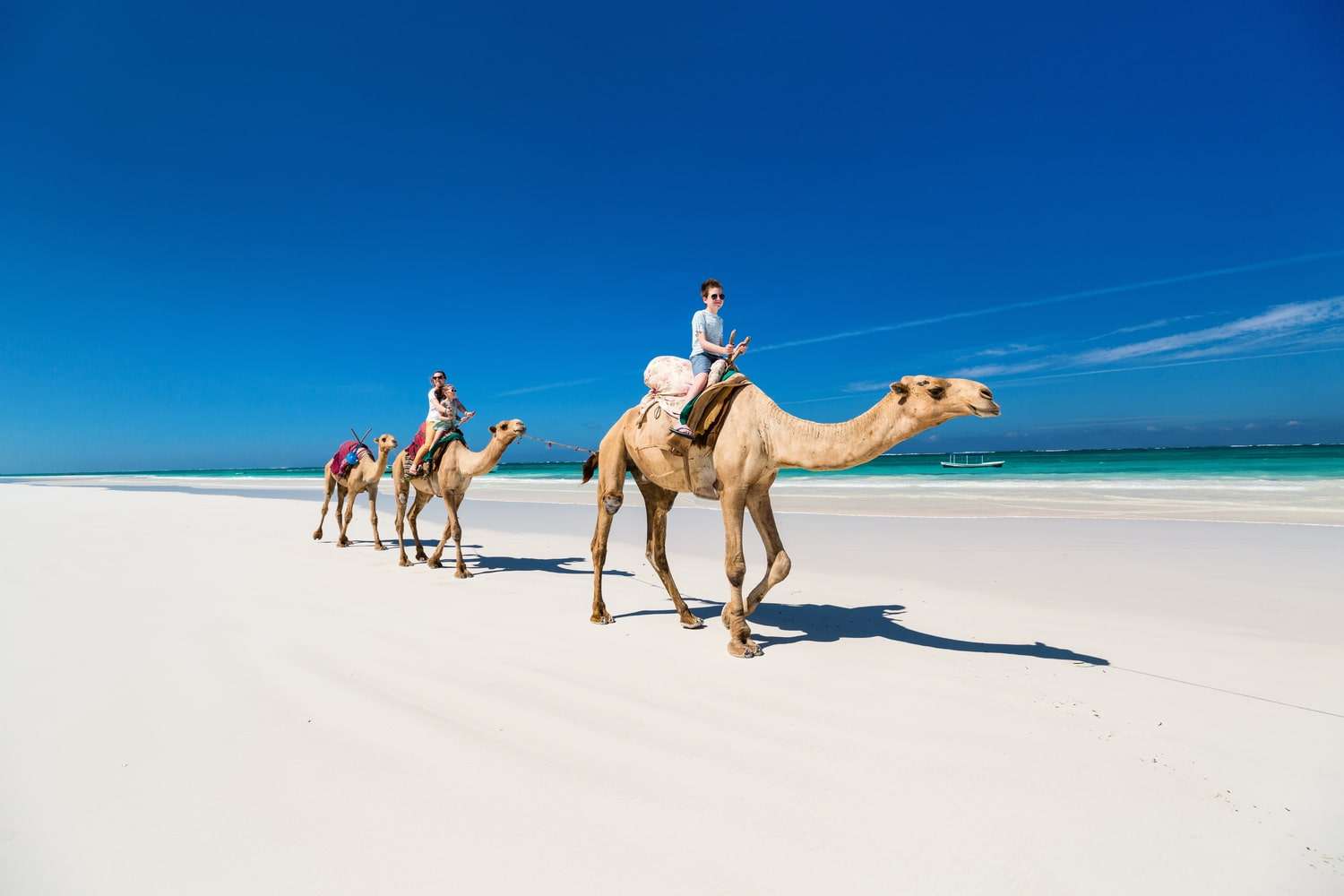
Kenya’s Indian Ocean coastline — Diani, Mombasa, Malindi, Watamu, and Lamu — draws visitors for beach holidays, diving, and marine adventures. But Lamu Old Town, a UNESCO World Heritage Site, adds a dimension many visitors don’t expect: it’s the oldest and best-preserved Swahili settlement in East Africa, its coral-stone streets and carved wooden doors carrying centuries of trade and cultural exchange.
Culture Told by the People Who Live It
Two examples show where Kenya’s cultural tourism is heading:
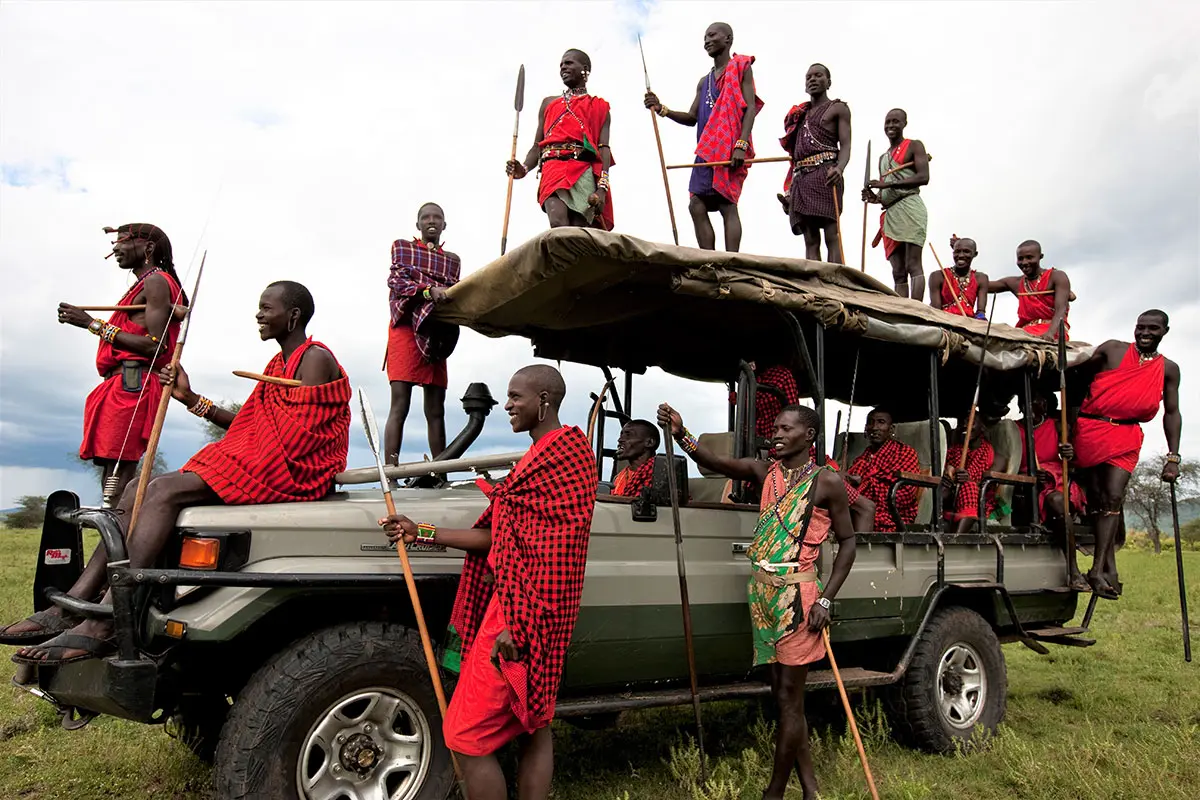
- Community-run cultural experiences near the Maasai Mara, where Maasai-led villages and homestays let visitors learn about beadwork, pastoralist traditions, and daily life directly from community members — with proceeds supporting local households.
- Community conservancies in northern Kenya, such as Il Ngwesi and Namunyak, part of the Northern Rangelands Trust network, where local communities co-manage land, wildlife, and tourism revenue rather than simply hosting visitors passing through.
Adventure and Luxury, Redefined
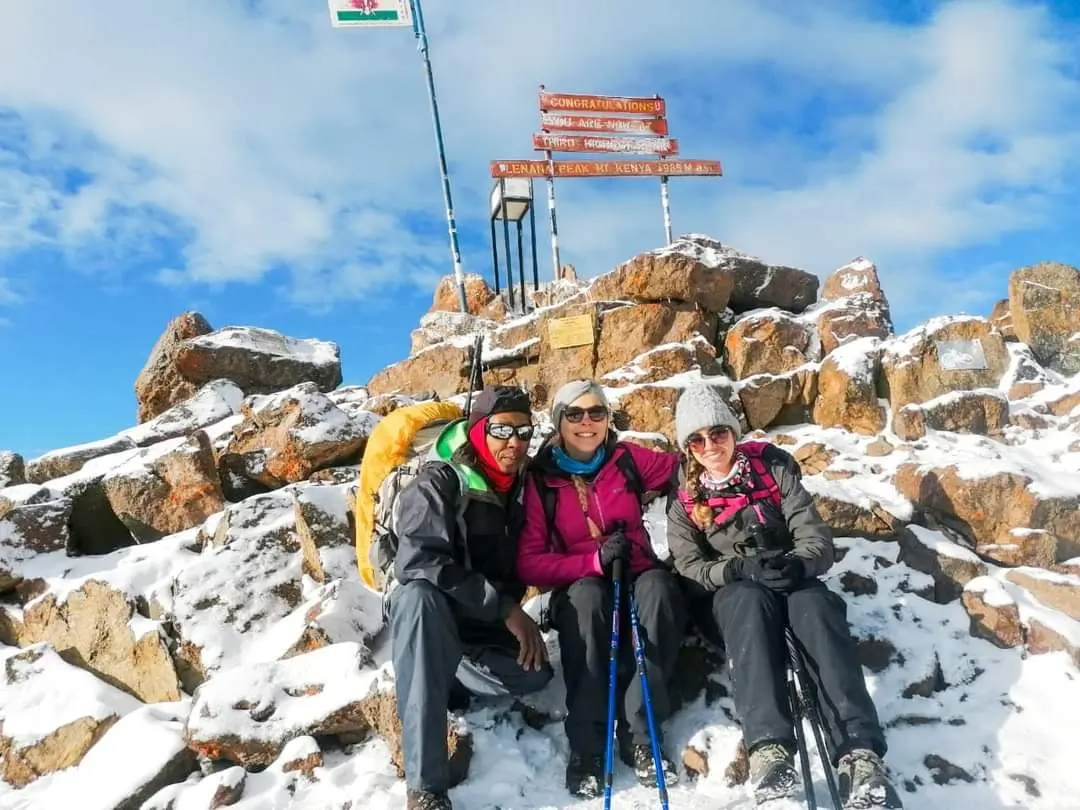
A growing number of travelers are choosing challenge over comfort: climbing Mount Kenya, hiking, cycling, hot-air balloon safaris, and bird-watching all cater to a generation that treats adventure as personal achievement. At the other end of the spectrum, luxury travel in Kenya is shifting away from expensive-for-its-own-sake accommodation toward privacy, exclusivity, and authenticity — private safari camps, exclusive beach retreats, and personalized cultural journeys that can’t be easily replicated elsewhere.
Smarter Journeys: The Role of Artificial Intelligence
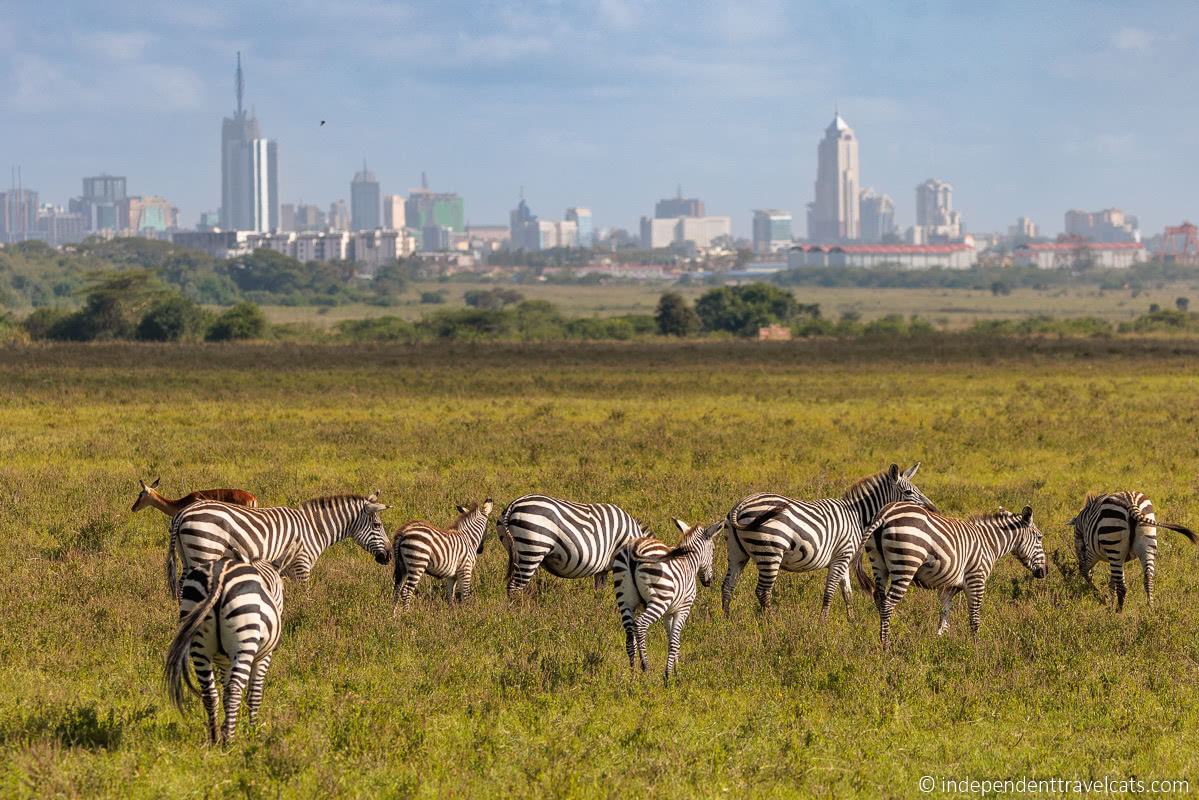
A traveler planning a trip to Kenya in 2026 may start not with a search engine, but with an AI assistant — one that builds a personalized itinerary combining a Maasai Mara safari, a Nairobi cultural stopover, and a coastal retreat in Diani, based on nothing more than a few stated interests and a budget.
Kenya’s own digital infrastructure is part of this shift: online eTA applications, integrated booking platforms covering flights, park fees, and accommodation, and AI chatbots that many tour operators now use to answer visitor questions instantly.
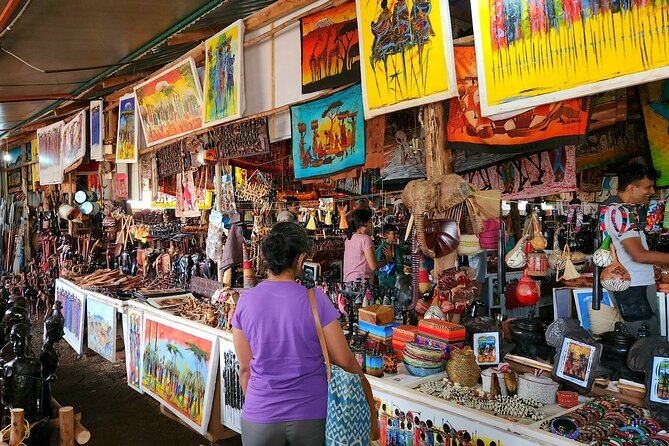
During a trip, AI supports navigation, translation, and local recommendations. Some conservation areas are also exploring smart park management — digital tools that track visitor and vehicle movement to reduce congestion at popular wildlife sightings.
A digital assistant can recommend a safari — it cannot replicate the experience of watching wildlife cross the Mara River, or sharing a meal with a Maasai family. The technology matters most when it stays in a supporting role, removing friction from planning while human hospitality does the rest.
Why Kenya Stands Out
Kenya’s advantage is combination: wildlife reserves, beaches, mountains, forests, deserts, and cultural landscapes within a single country, now made easier to explore through smarter planning tools. The country’s opportunity is to make sure both its marketing and its technology reflect that breadth — showing the world that Kenya offers far more than a single kind of trip.
- Kenya Tourism Board
- UNESCO World Heritage Centre — Lamu Old Town
- Northern Rangelands Trust
- Industry reporting on AI adoption in East African tourism