
The Safari Experience You Don’t Just Take—You Remember Forever
There are few travel experiences that genuinely change how people see the world. An African safari is one of them.
It is not just about seeing wildlife—it is about waking up to lions in the distance, watching elephants move silently across golden plains, and realizing that nature operates on a rhythm completely different from your own.
But here is what most first-time travelers don’t realize:
A great safari is not only about where you go—it is about how well you prepare before you book.
The difference between a stressful trip and a life-changing experience often comes down to timing, planning, and the right guidance.
This guide breaks down everything you need to know before booking your African safari.
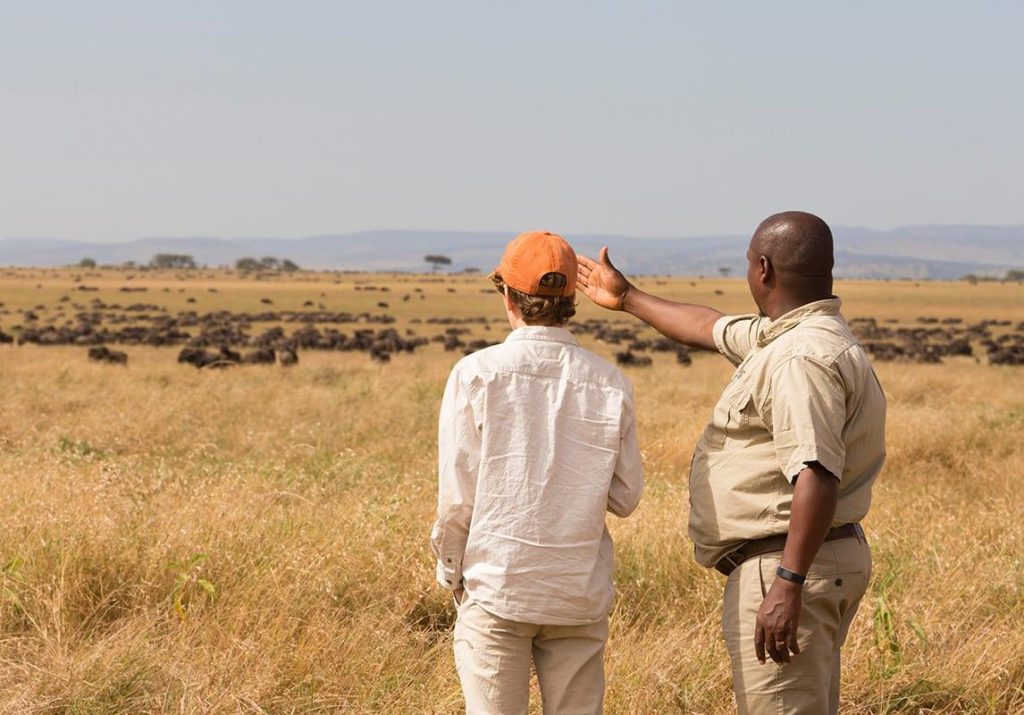
Everything You Need to Know Before Booking an African Safari
Short answer: book 4–6 months ahead for peak migration season or gorilla permits (2–3 months is usually enough in the green season). Pack a 15 kg soft bag for light aircraft, buy travel insurance with medical evacuation cover, pay only a verified operator, and budget $10–$20 per person per day to tip your guide.
1. When Should You Book an African Safari?
Timing is one of the most important factors in safari planning.
Peak Season (Great Migration & high-demand parks)
- Book 4–6 months in advance
- Lodges in the Serengeti and Maasai Mara sell out early
- Best wildlife density and dramatic sightings
High Season (Dry season game viewing)
- Book 3–4 months in advance
- Excellent visibility of wildlife
- Strong balance of availability and pricing
Low Season (Green season / fewer crowds)
- Book 2–3 months in advance
- Better pricing and more availability
- Beautiful landscapes and fewer tourists
Gorilla Trekking (Strict permit control)
- Book 4–6 months in advance minimum
- Limited permits in Rwanda and Uganda
- Accommodation near parks fills quickly
Simple rule:
If you want a specific experience (migration, gorillas, luxury camps), book earlier. If you are flexible, you can wait slightly longer.
2. Safari Baggage Allowance (What Most Travelers Get Wrong)
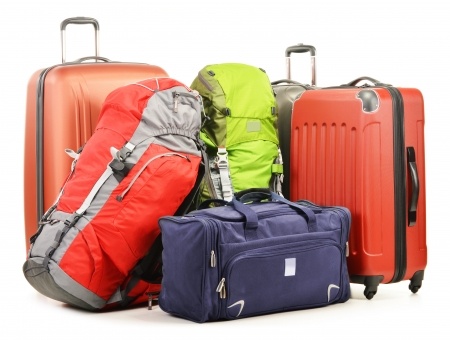
Safari travel is different from normal vacations because of small aircraft logistics.
Typical limits:
- International flights: 20–30 kg depending on airline
- Safari flights: 15 kg soft duffel bag only
Why soft bags matter:
Light aircraft have strict cargo space limits and uneven loading requirements.
Smart packing approach:
- Use soft duffel bags only
- Pack light, wash clothes at lodges
- Keep essentials in carry-on (camera, meds, documents)
- Avoid rigid suitcases completely
3. What to Pack for an African Safari
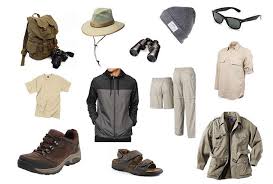
Packing correctly improves comfort, safety, and overall enjoyment.
Clothing:
- Neutral colors (khaki, beige, olive)
- Lightweight breathable layers
- Warm fleece or jacket for mornings
- Long sleeves for sun and insects
Footwear:
- Comfortable walking shoes
- Light sandals for lodge use
Essential gear:
- Binoculars (highly recommended)
- Sunscreen (SPF 30+)
- Insect repellent
- Sunglasses and hat
- Camera + spare batteries
- Reusable water bottle
Avoid:
- Bright colors and flashy clothing
- Overpacking “just in case” items
4. Do You Need Travel Insurance for Safari?
Yes—this is non-negotiable for responsible travel.
A strong policy should include:
- Medical emergencies
- Trip cancellations or delays
- Lost luggage coverage
- Emergency evacuation from remote areas
Many safaris take place far from major hospitals, so evacuation cover is essential.
Trusted emergency support systems often used in East Africa:
- Global medical evacuation services like AMREF Flying Doctors
- International travel risk support providers such as Global Rescue
These systems ensure rapid response if medical evacuation is required in remote wildlife areas.
5. How to Pay for Your Safari Safely

Before sending any money, verify legitimacy.
Look for:
- Secure HTTPS website
- Official invoice and company registration details
- Clear cancellation and refund policy
- Traceable bank or card payments
Never rely on informal payment arrangements without documentation.
6. Is East Africa Safe for Safari Travelers?
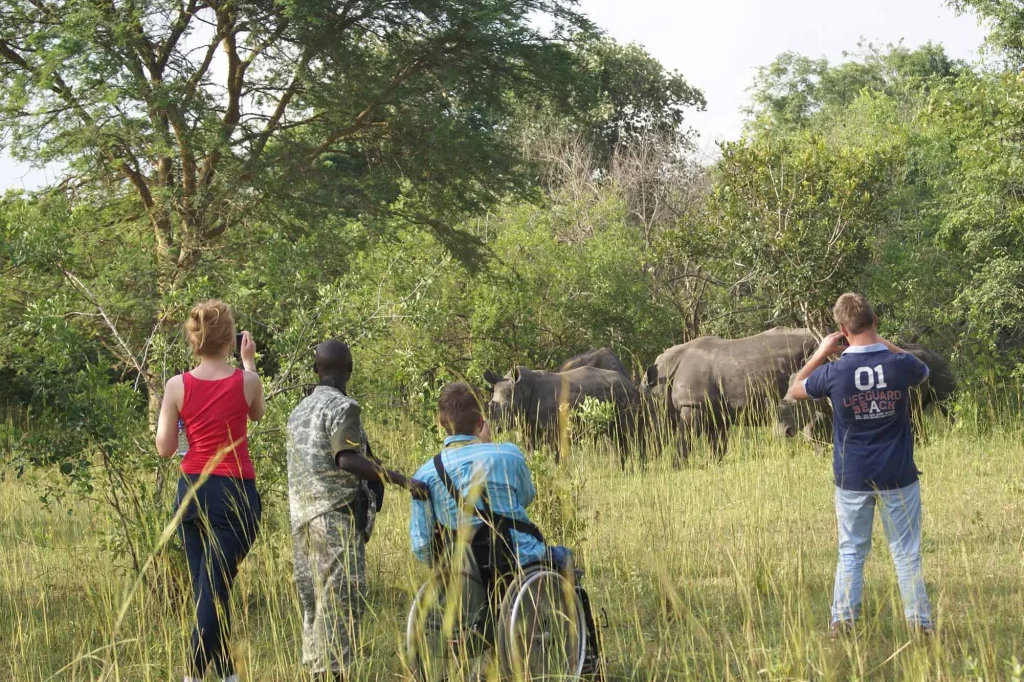
Yes—East Africa is one of the most established safari tourism regions in the world.
Most safari experiences take place inside protected national parks with trained guides, regulated tourism, and structured routes.
Smart travel habits:
- Follow guide instructions at all times
- Avoid displaying valuables
- Stay aware in cities (as in any global destination)
- Book through reputable operators only
7. How Much Should You Tip on Safari?
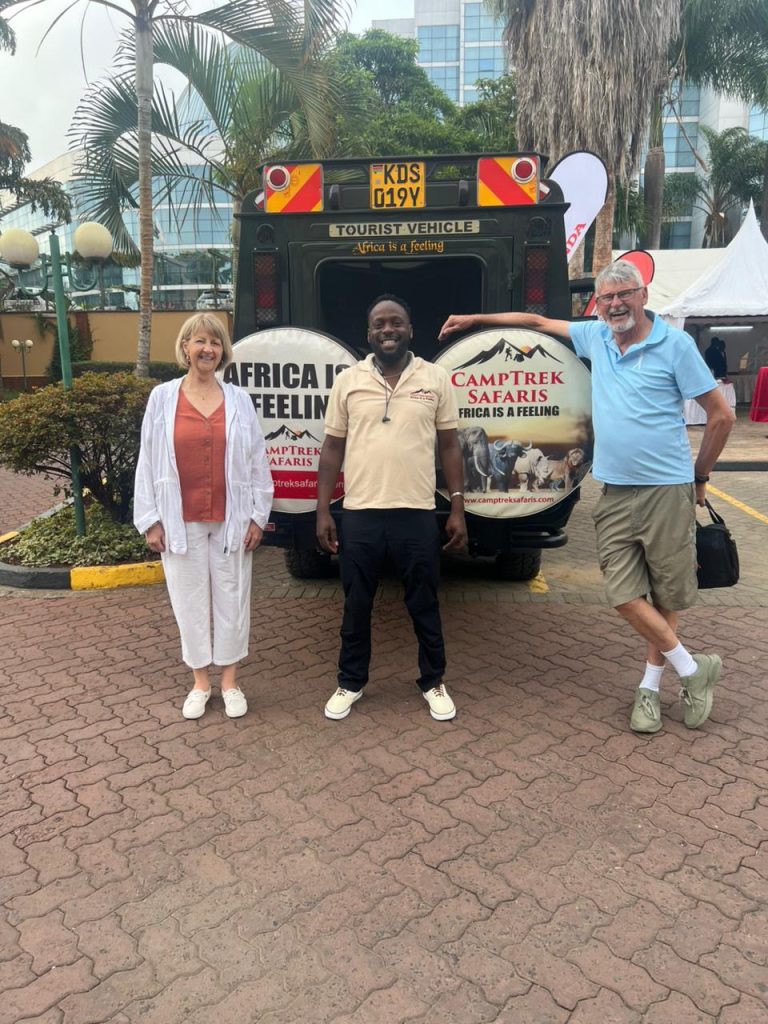
Tipping is customary and appreciated but not mandatory.
General guide:
- Safari guide: $10–$20 per day per traveler
- Lodge staff: $5–$10 per day (shared tip box)
- Trackers/porters: $5–$10 per service
Tipping reflects service quality and varies by destination and experience level.
8. What Is Included in a Safari Package?
Most safari packages include:
Usually included:
- Accommodation
- Park fees
- Game drives
- Professional guides
- Ground transport
- Meals (as per itinerary)
Usually NOT included:
- International flights
- Visas
- Travel insurance
- Alcohol and personal expenses
- Optional activities
Always confirm inclusions before booking.
9. Can Seniors Go on Safari?
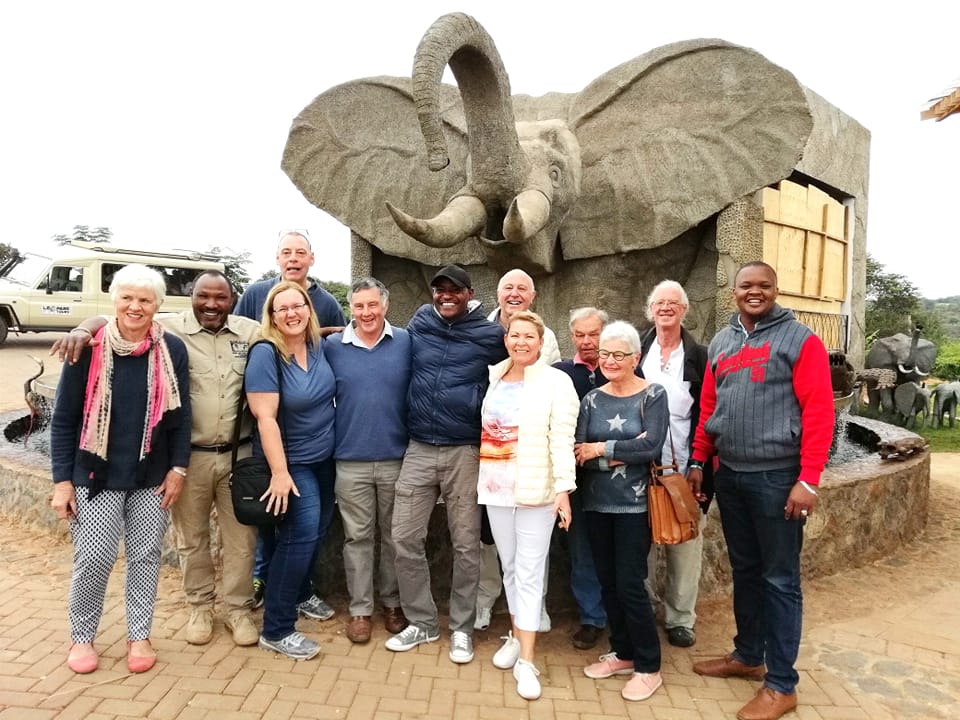
Absolutely. Safari travel is highly flexible and suitable for all ages.
Best options for senior travelers:
- Fly-in safaris (less road travel)
- Private customized itineraries
- Luxury lodge-based stays
- Flexible game drive schedules
- Shorter daily activity durations
Many travelers in their 60s, 70s, and even 80s enjoy safaris comfortably with the right planning.
10. Why Booking Through a Reputable Safari Operator Changes Everything

This is the most important decision in your safari planning.
A professional safari operator does far more than book accommodation.
They design your entire experience around timing, safety, and comfort.
Here is what they actually handle:
1. Itinerary Design
They match destinations, parks, and lodges to your travel season and expectations.
2. Real-Time Wildlife Strategy
They adjust routes based on migration movement, weather, and park conditions.
3. Logistics Coordination
They manage:
- Domestic flights between parks
- Road transfers across borders
- Lodge check-ins and timing
- Luggage handling across fly-in safaris
4. Safety & Emergency Support
They coordinate with on-ground teams and emergency networks like:
- AMREF Flying Doctors
- Global evacuation assistance providers such as Global Rescue
5. Value for Money
They help you avoid:
- Overpriced lodges in wrong locations
- Poor seasonal timing
- Unnecessary internal flights or transfers
The real difference:
A good operator doesn’t just sell a safari.
They manage everything you don’t see—so your experience feels effortless.
Final Thoughts
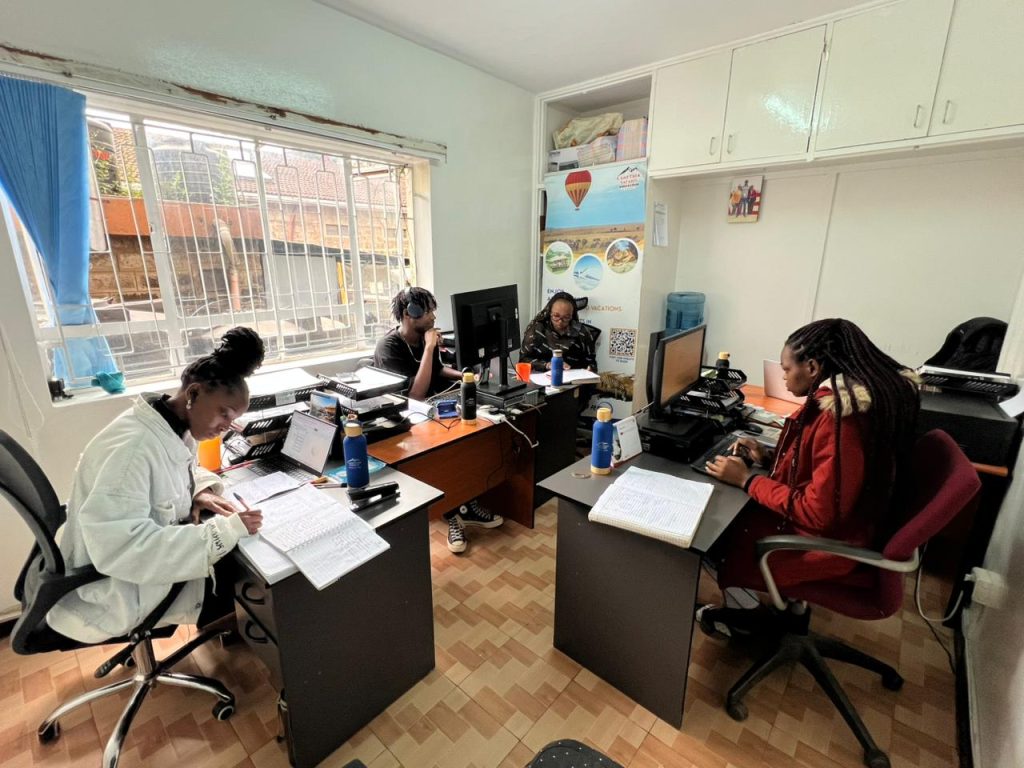
An African safari becomes extraordinary when preparation meets the right guidance.
The most successful travelers understand three things:
- Timing matters
- Packing matters
- And choosing the right operator matters most of all
With the right planning, a safari is not just a holiday—it is one of the most powerful travel experiences you will ever have.
Frequently Asked Questions (SEO Boost Section)
1. How early should I book an African safari?
Most safaris should be booked 3–6 months in advance, depending on season and destination.
2. What is the best country for a first safari?
Kenya and Tanzania are top choices for first-time safari travelers due to accessibility and wildlife density.
3. Is an African safari expensive?
Costs vary widely depending on accommodation level, season, and itinerary style, from budget to ultra-luxury experiences.
4. What is the best time to see the Great Migration?
Typically between July and October in Kenya and between December and March in southern Serengeti.
5. Do I need vaccinations for safari travel?
Some destinations may require or recommend vaccinations—always check official travel health guidance before departure.
6. Can I combine multiple countries in one safari?
Yes—multi-country safaris across Kenya, Tanzania, Uganda, and Rwanda are very common.