
Guidance for Travelers Visiting Africa, Especially East and Southern Africa
Introduction
Travel has always connected the world in remarkable ways. Every year thousands of travelers fly across continents to explore the extraordinary landscapes and wildlife of Africa, particularly the iconic safari regions of East Africa and Southern Africa.
Guests traveling to experience the Serengeti, Maasai Mara, Kruger National Park, Okavango Delta, or Victoria Falls typically arrive through major global aviation hubs such as Europe or the Middle East. However, recent geopolitical tensions involving Iran, Israel, and the United States have created temporary disruptions in parts of the Middle East airspace.
For travelers planning journeys to Africa, particularly safari destinations across Kenya, Tanzania, Botswana, Zimbabwe, Zambia, Namibia, Mozambique, Madagascar and South Africa, it is important to understand how global aviation routes may be affected.
This advisory explains what travelers need to know when planning flights to Africa and why it may be advisable to avoid Middle Eastern stopovers—especially Dubai—until the situation stabilizes.
Most importantly, travelers should understand that Africa itself remains completely unaffected by the conflict. Safari destinations across East Africa and Southern Africa remain open, safe, and welcoming visitors from around the world.
What Is Happening in the Middle East
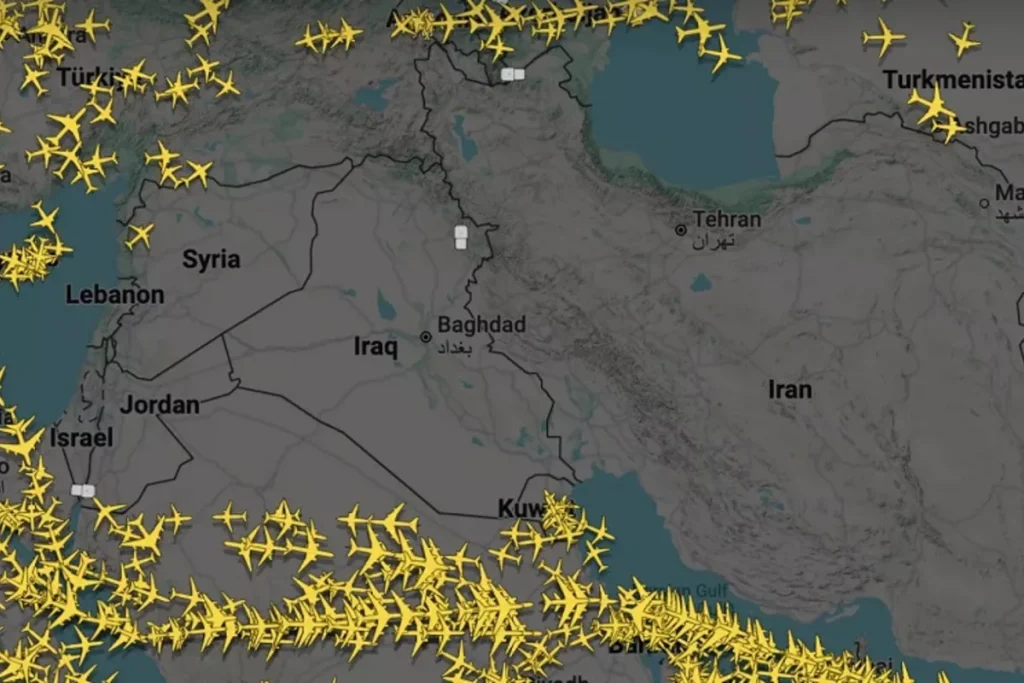
In late February 2026, tensions between Iran, Israel, and the United States escalated into direct military strikes and retaliatory attacks across the region. The conflict triggered missile launches, drone activity, and heightened military operations across several Middle Eastern countries.
These developments quickly impacted aviation.
According to international aviation reports and news coverage, multiple countries temporarily closed their airspace, forcing airlines to suspend flights or reroute aircraft away from the region.
You can read the full report here:
Major aviation hubs across the Gulf region experienced disruptions. Airports such as Dubai, Doha, and others faced temporary closures or reduced operations as airlines adjusted their routes.
In fact, aviation analysts report that thousands of flights were cancelled or diverted after several Middle Eastern countries closed their airspace.
More coverage from international news sources:
- Hundreds of thousands of travellers stranded as Middle East airspace closes
- Airlines suspend flights after US‑Israel strikes on Iran
These disruptions illustrate how quickly geopolitical events can impact global travel networks.
Why This Matters for Travelers Going to Africa
Many international travelers reach Africa by connecting through Middle Eastern hub airports, especially:
Dubai
Doha
Abu Dhabi
These cities became major aviation crossroads over the past two decades. Airlines such as Emirates, Qatar Airways, and Etihad built global networks connecting Europe, Asia, North America, and Africa.
However, when conflict affects the surrounding airspace, these hubs can experience:
- Flight delays
- Schedule changes
- Airport congestion
- Temporary closures
Government travel advisories are now recommending travelers avoid transiting through certain Middle Eastern countries until conditions stabilize.
For example, the Australian Government’s official travel advisory website warns that military conflict in the region has caused airspace closures and sudden flight disruptions, advising travelers to reconsider transiting through affected countries.
You can read the advisory here:
The advisory notes that airspace may close at short notice and flights may be cancelled or rerouted unexpectedly.
Why Avoiding a Dubai Stopover Is Currently Recommended
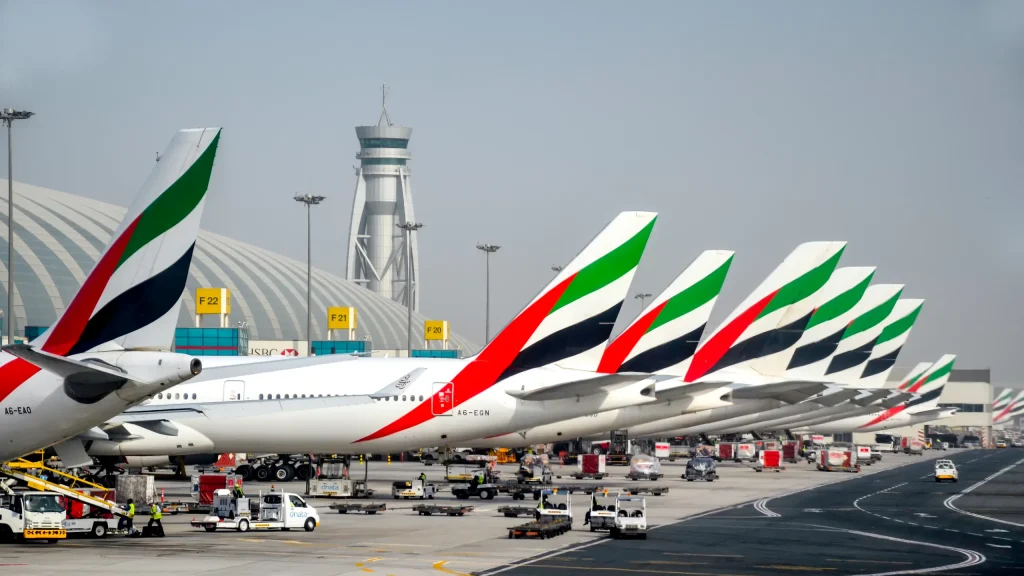
Dubai International Airport is one of the busiest international airports in the world and normally serves as a smooth transit hub.
However, the current regional conflict has increased uncertainty around Gulf aviation corridors.
Aviation monitoring organizations report that airspace in several nearby countries has been restricted, forcing airlines to reroute flights away from traditional routes.
For example:
- Israel’s airspace has largely been closed.
- Iranian airspace is restricted.
- Qatar and UAE airspace have operated under tight controls.
These restrictions force aircraft to fly longer routes through alternative corridors such as:
Northern routes through Central Asia
Southern routes via Egypt and the Red Sea
Such adjustments increase flight times and create scheduling uncertainties.
Additional news coverage discussing disruptions:
For safari travelers planning long international journeys, avoiding unnecessary transit risks can make the journey smoother and less stressful.
Recommended Flight Routes to AfricaRecommended Alternative Flight Routes to Africa
Fortunately, travelers have many reliable alternatives when flying to Africa.
Instead of routing through Dubai or other Gulf hubs, consider connecting through Europe, Turkey, or Africa itself.
European Gateways
Europe offers some of the most stable and efficient routes into Africa.
Recommended transit hubs include:
London
Amsterdam
Paris
Frankfurt
Zurich
From these cities, airlines offer direct flights to major African safari gateways such as:
Nairobi
Kilimanjaro
Johannesburg
Cape Town
These connections are widely used by travelers visiting safari destinations.
Istanbul Gateway
Another excellent option is connecting through Istanbul, which serves as a major aviation bridge between Europe, Asia, and Africa.
Flights from Istanbul connect to multiple African cities including:
Nairobi
Dar es Salaam
Johannesburg
Cape Town
This route avoids the main Gulf transit corridor.
African Aviation Hubs
Travelers may also choose to connect within Africa itself.
Major African airline hubs include:
Addis Ababa
Nairobi
Johannesburg
These airports offer reliable connections to safari regions across East and Southern Africa.
What Travelers Should Expect When Flying
Even when avoiding conflict regions, global aviation networks are interconnected.
Travelers may experience:
Longer flight paths
Adjusted schedules
Occasional delays
This is because airlines are rerouting flights to maintain safe distances from conflict zones.
According to aviation reports, aircraft are currently taking longer detours around restricted airspace, sometimes flying hundreds of miles out of their usual routes.
These precautions are standard safety measures in international aviation.
Practical Travel Tips for Safari Guests
To ensure a smooth journey to Africa, travelers should consider the following steps.
1. Monitor Airline Updates
Always check flight updates at least 48 hours before departure.
Airlines may change routes or schedules depending on the latest airspace conditions.
2. Avoid High-Risk Transit Regions
If possible, avoid layovers in areas currently affected by regional conflict.
Choose alternative routes through Europe or Africa.
3. Allow Extra Connection Time
When making international connections, allow extra time between flights in case of delays.
4. Purchase Travel Insurance
Travel insurance can help cover disruptions such as:
Flight cancellations
Rebooking costs
Accommodation delays
5. Stay Informed Through Reliable Sources
Travelers should follow updates from trusted news organizations and government advisories.
Helpful resources include:
- Reuters coverage of airline suspensions during Middle East conflict
- Time Magazine report on travel disruptions in the Middle East
These sources provide verified updates on aviation developments.
Africa Remains Safe for Safari Travel
While global headlines focus on the Middle East, it is important to emphasize that Africa remains completely unaffected by the conflict.
Safari destinations across East Africa and Southern Africa continue operating normally.
Travel infrastructure across these regions remains stable, including:
International airports
Domestic safari flights
Luxury lodges
National parks
Millions of travelers continue visiting Africa every year to experience wildlife, landscapes, and culture.
From the open plains of the Serengeti to the waterways of the Okavango Delta, Africa remains one of the most inspiring travel destinations on Earth.
The Magic of Safaris in East and Southern Africa
Visitors come to Africa to experience wildlife encounters that exist nowhere else on Earth.
Imagine:
Watching lions hunt across the plains at sunrise.
Seeing elephants walk silently across golden savannahs.
Witnessing the Great Migration, where millions of wildebeest cross rivers filled with crocodiles.
These moments are the essence of safari travel.
They remain unchanged and unaffected by events happening thousands of miles away.

Camptrek Safaris Travel Guidance
At Camptrek Safaris, we monitor global travel developments carefully to ensure our guests have the best possible experience.
Our team assists travelers with:
Safari itinerary planning
Airport transfer arrangements
Advice on flight routing
Travel updates and safety information
If you are planning a safari to Africa and have questions about your flight route, our team will gladly assist.